
All about the new Toyota Corolla Quest
The Toyota Corolla Quest has established itself as a formidable player in the local sedan market. First launched in 2014, the Corolla Quest employed the established credentials of the 10th-generation Corolla in a value-focused package - offering the space and comfort of a C-segment sedan at a B-segment price point.
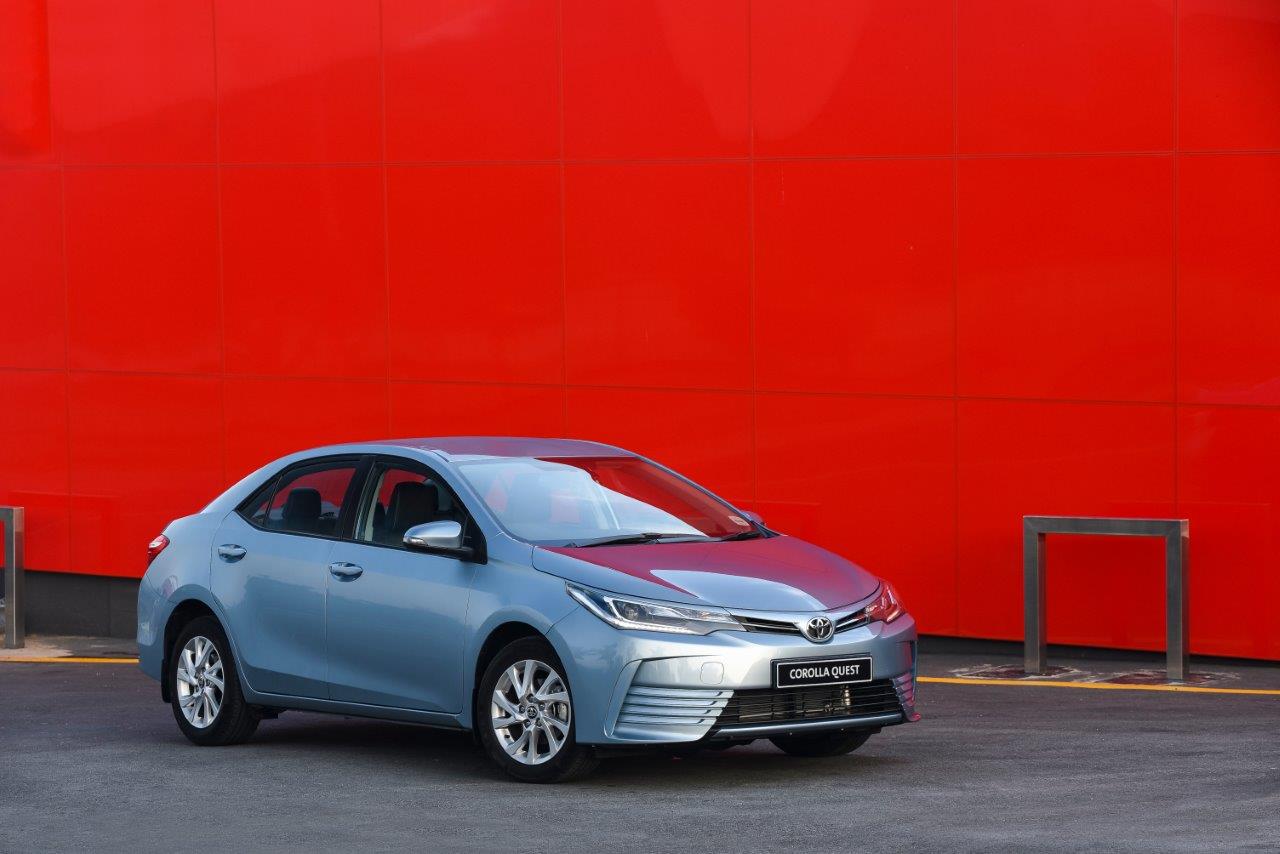
“Understanding that there is still a need for an affordable sedan in our market was one of the driving factors in developing the new Corolla Quest.
“We conducted numerous product clinics to gain a better understanding of what our customers wanted and where we could adapt our product offering to better suit the market needs”, says Glenn Crompton, Vice President of Marketing.
How does the new Quest differ from the previous one?
The new Quest is based on the outgoing 11th-generation Corolla. The Quest brings with it modernised styling, improved specification levels and enhanced safety features. We’ve also switched to a new 1.8-litre engine across the board and expanded the line-up to offer three grades for six models in total.
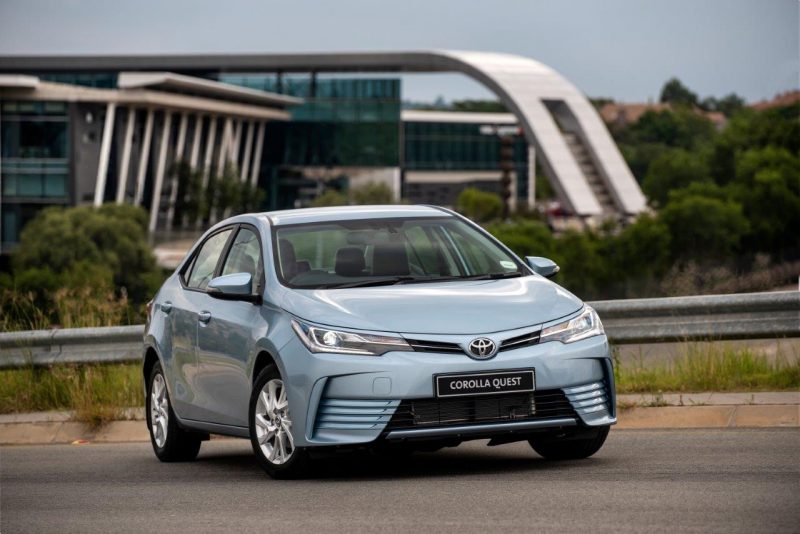
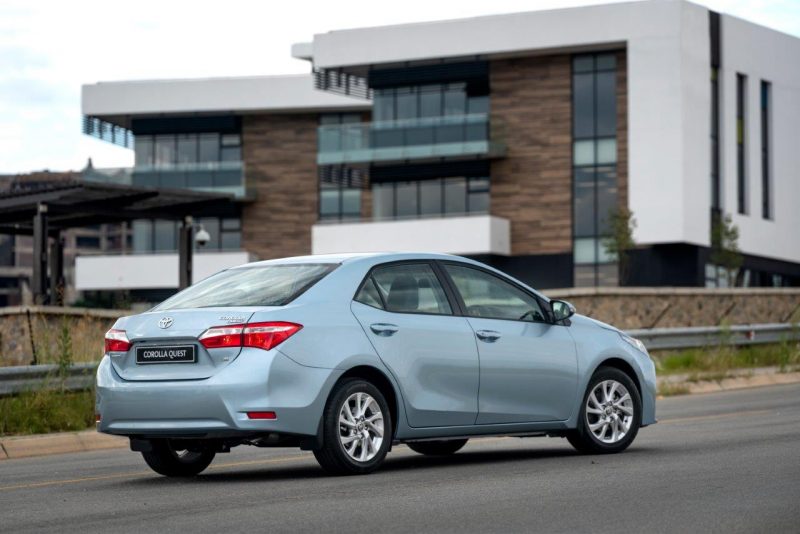
The new Quest is not just a de-specced Corolla? It went through a thorough development programme aimed to maintain the quality, reliability and durability (QDR) level whilst implementing cost reduction. Likewise, the switch to a three-grade strategy, enables us to offer three distinct variants with distinct specification levels, thereby catering to different customer needs.
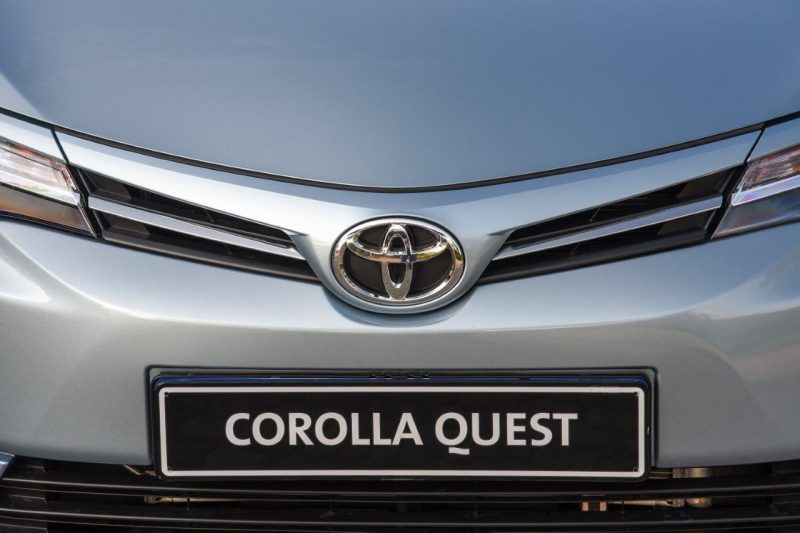
On the exterior front, the most noticeable difference is the front fascia. The headlight trim matches the radiator grille treatment (matte black vs colour), with the front fog lights now phased out. At the rear, the number plate garnish has been changed from chrome to body colour.
ALSO READ: A legend of a bakkie – meet ‘Roadrunner’
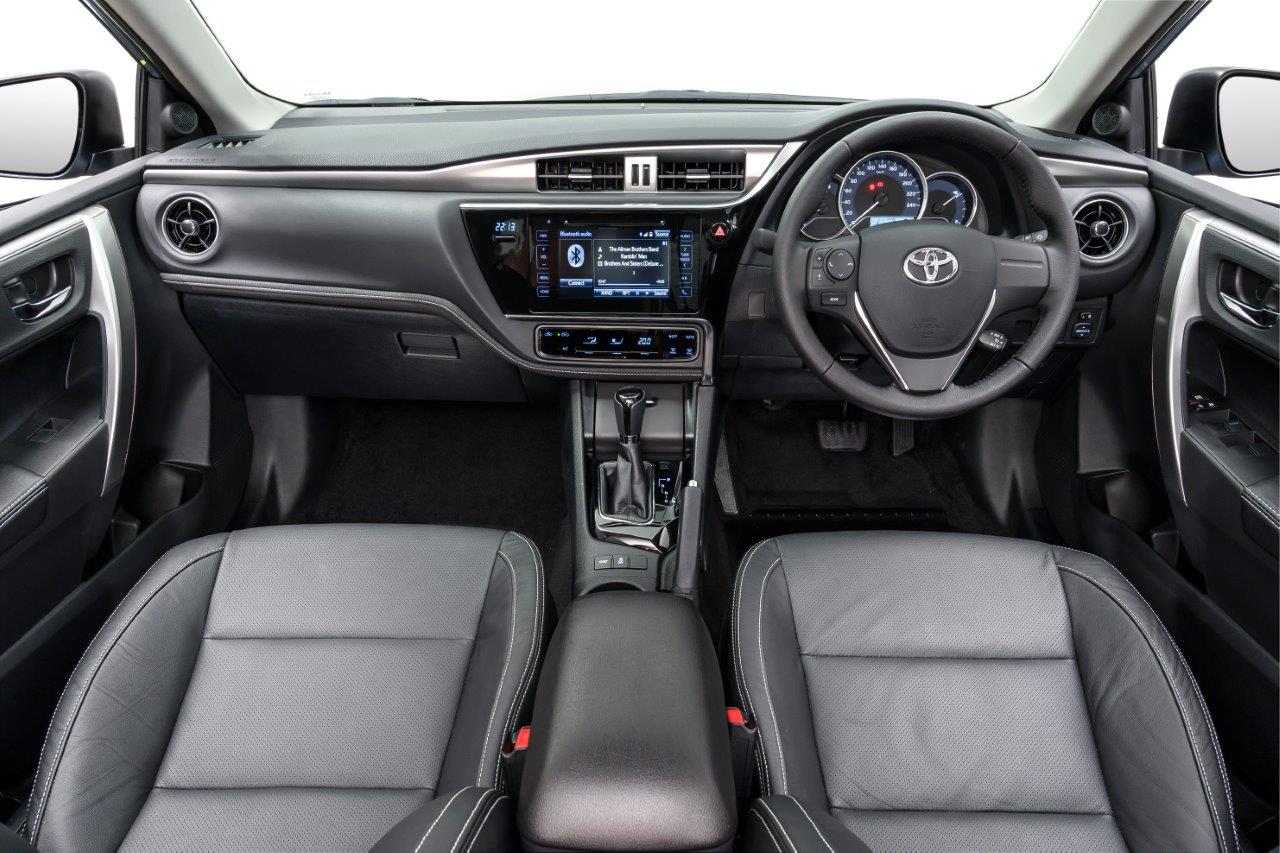
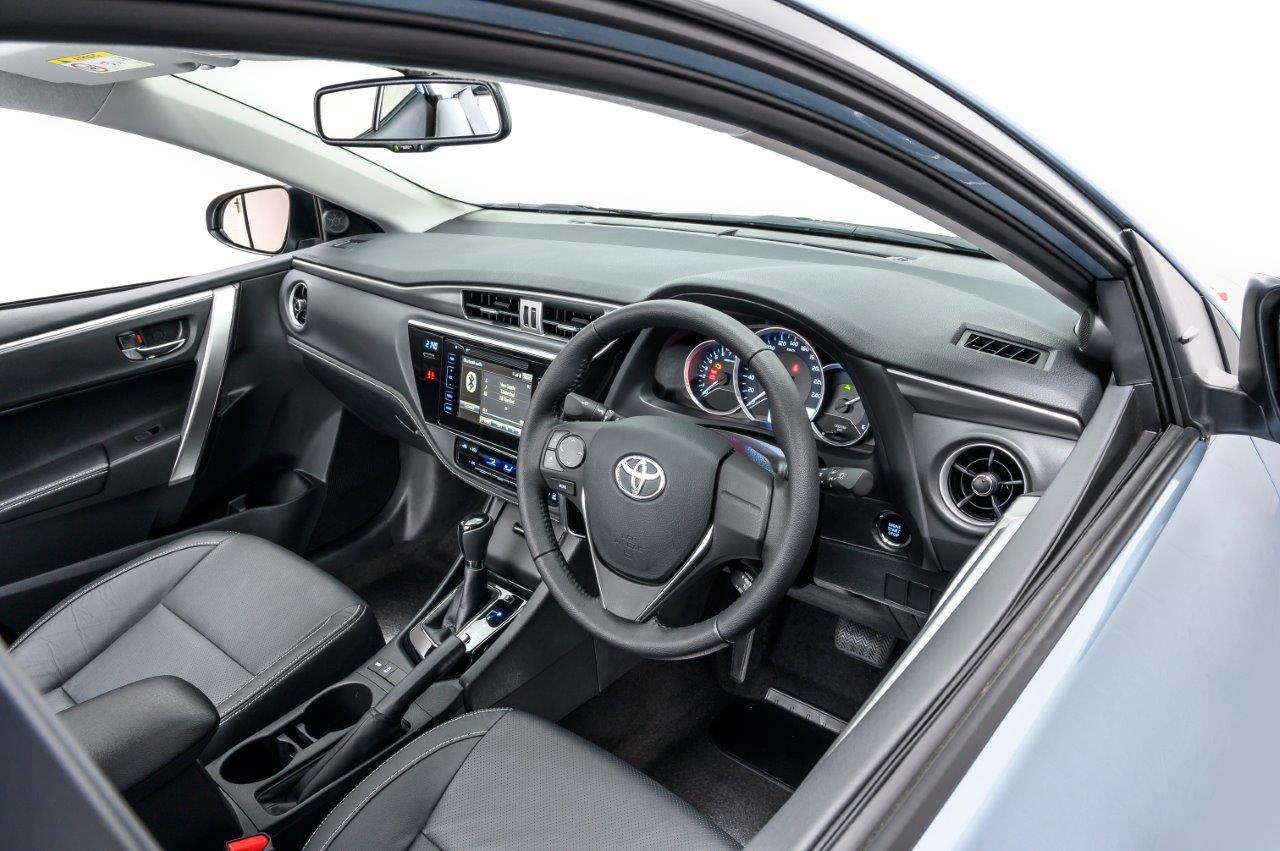
On the interior front, Corolla Quest is equipped with three bespoke interior trim combinations. The standard model makes use of a Black and Blue combination textile with a fixed rear seat.
Prestige variants are equipped with a fabric and leather combination – available in either Blue/Black or Grey with red accents. The range-topping Exclusive, features a black leather interior with silver contrast stitching and a 60/40 split rear bench.
Why the change to a 1.8-litre engine?
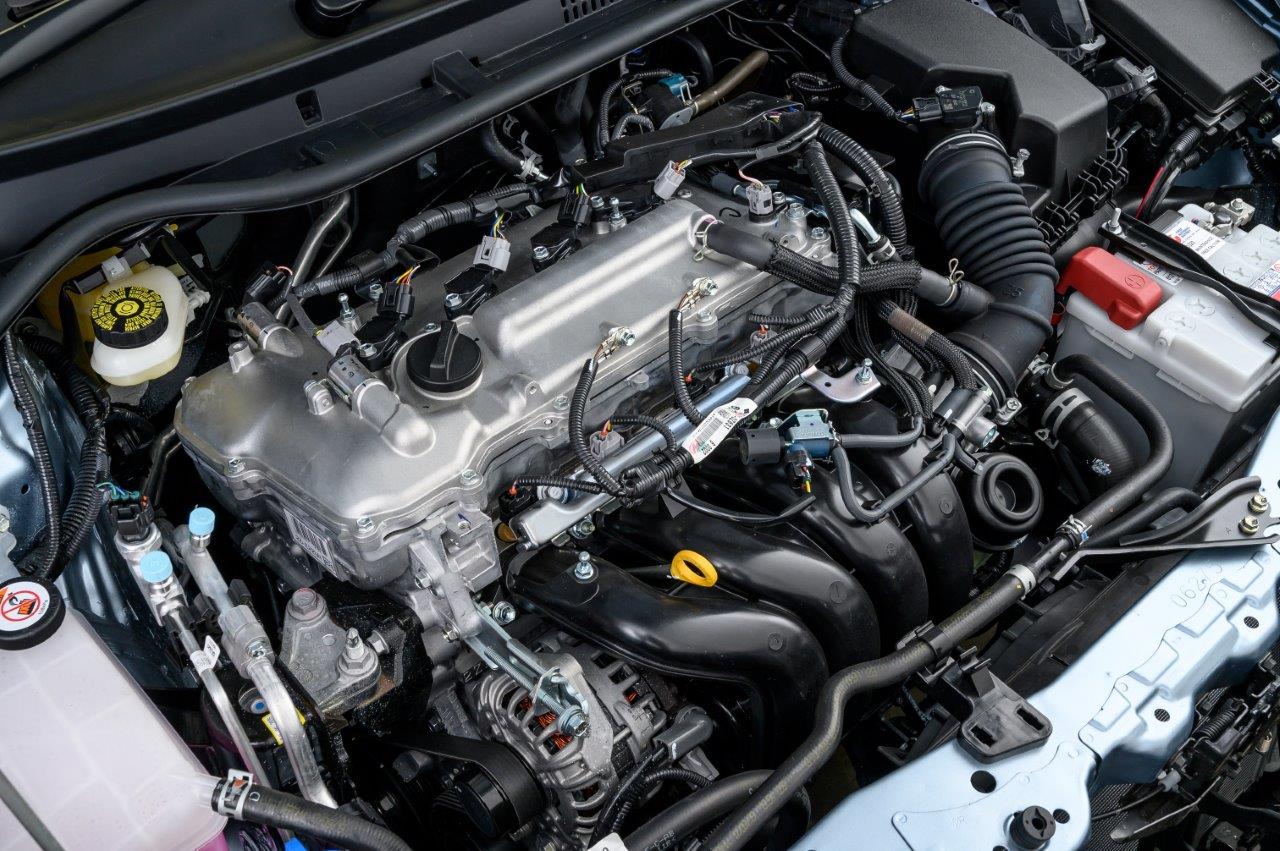
The reason for this is quite simple, the 1.8-litre is standardized across more Toyota models globally versus the previously fitted 1.6-litre engine – providing cost and sourcing benefits for TSAM. The 1.8-litre mill produces 103kW and 173Nm. The 1.8-litre engine offer more torque and 1200r/min earlier compared with the 1.6.
Fuel consumption is listed as 7.0 l/100km for manual models and 6.3 l/100km for models equipped with the CVT option – which is actually better than the outgoing 1.6-litre mill.
Four-wheel disc brakes, with ventilated front and solid rear discs provide solid braking performance. Standard models ride on 15-inch steel wheels with 195-65-R15 tyres, whereas the mid and high-grade Quests roll on 16-inch alloy wheels shod with 205-55-R16 rubber. All models feature a full-size spare wheel.
Safety upgrades
Toyota has amplified the safety features considerably. All Quest models now come with Driver, Passenger and driver-knee airbags – while the Prestige and Exclusive models receive side airbags too. Vehicle Stability Control (VSC) with Hill Assist Control (HAC), ABS, EBD, Isofix, LED daytime running lights and rear fog lights are standard across the board.
Warranty and service plan
All Corolla Quests are sold with a 3-services/45 000 km service plan with intervals pegged at 12 months/15 000 km. A 3-year/100 000 km warranty is included. Pricing starts at R249 900.
ALSO READ: COVID-19 drives vehicle sales down