
Mazda coupes were legendary in the 1930’s
In 1960 this winning combination made it an immediate bestseller, capturing 65 per cent of Japan’s burgeoning microcar (“kei” car) segment and 15 per cent of the domestic market in the year of its launch.
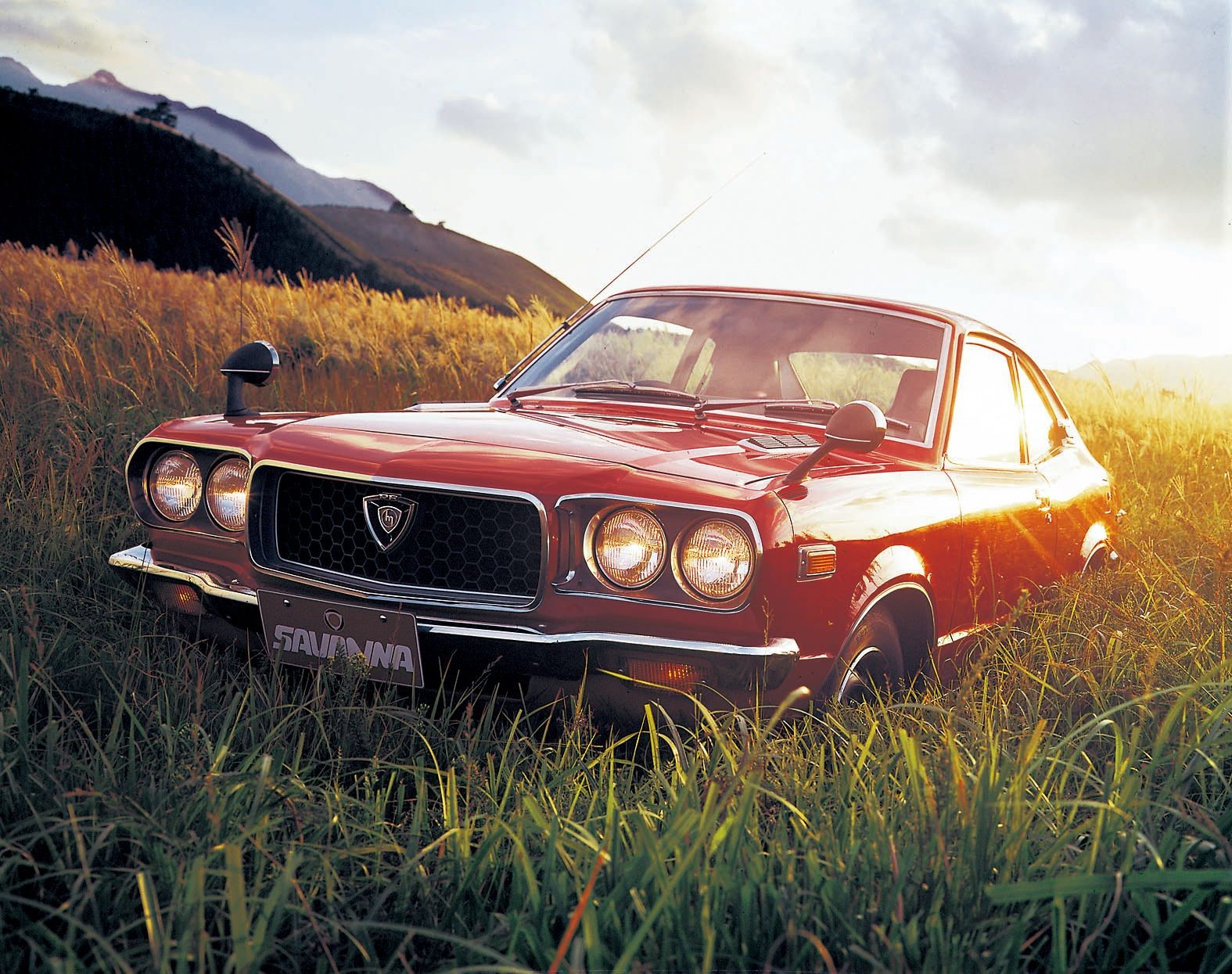
A preferred layout for attractive and visionary car design since the 1930s, the two-door coupe has long been seen as the most stylish model in a manufacturers line-up.
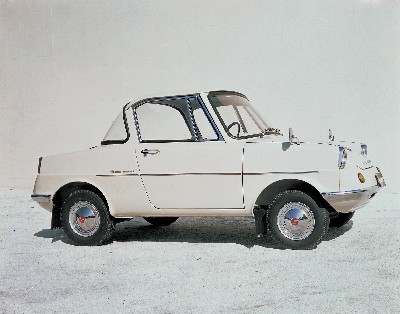
The best coupes also deliver performance-enhancing structures like rigidity, aerodynamics and weight reduction – all central elements of Mazda’s product philosophy. In fact, the Japanese carmaker has been setting coupe benchmarks since the beginning. Its very first passenger car was a coupe – the two door, 2,96-metre-long Mazda R360 was also stylish and, as the lightest vehicle in its class, fun to drive.
In 1960 this winning combination made it an immediate bestseller, capturing 65 per cent of Japan’s burgeoning microcar (“kei” car) segment and 15 per cent of the domestic market in the year of its launch.
The Mazda Carol P360 coupe, which had a longer wheelbase and a four-cylinder engine, joined the line-up in 1962 with comparable success.
Mazda’s first performance car, the Mazda Cosmo Sport 110S, was also a coupe. It was unveiled at the 1964 Tokyo Motor Show. It was fitted with a a twin-rotor engine and was the beginning of an illustrious age of unconventional rotary sports coupes at Mazda.
ALSO READ: Continental rubber is good for both driving and running
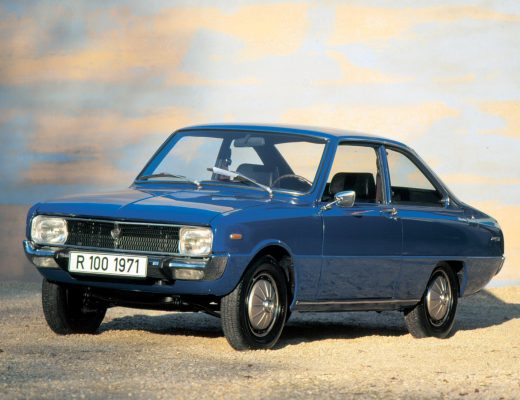
However, the big international sales breakthrough came with the Familia/R100 and Capella/616/RX-2 series. These were the respective forerunners to the Mazda3 and Mazda6 – along with the Grand Familia/818/RX-3. Mazda took its rotary engine global with these models starting in 1968, and their Italo-design inspired looks electrified buyers, quickly driving overseas unit sales into six figures.
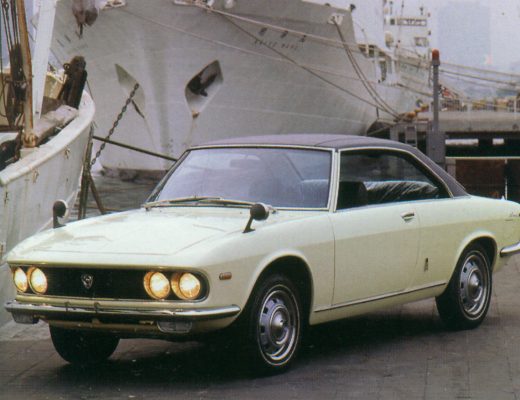
Even more stunning was the Mazda Luce R130 coupe introduced in 1969. It was Mazda’s only front wheel-driven rotary model and has since become a sought-after collector’s item.
The Luce R130 would make way in 1972 for the Mazda RX-4. Marketed as luxurious and sporty, the hardtop coupe version was available with an “AP” (anti-pollution) rotary that improved emissions and fuel economy.
In 1978 the Mazda RX-7 upped the stakes for Mazda. It presented a lightweight structure with near-perfect weight distribution, it was exceptional to drive. With some 811 000 produced, the RX-7 remains the most popular rotary powered car in history.
A lesser known Mazda is the Eunos Cosmo, a Japan-only luxury sports coupe built from 1990 to 1995. It was the only production model with a three-rotor engine; the 300PS twin-turbo and also the largest-ever production rotary.
The Cosmo introduced the first built-in GPS navigation system and a touchscreen display. Another domestic market model, the Autozam AZ-1,had gullwing doors and a 9 000rpm redline. This segment personified utilitarian “boxes on wheels”.
This was typical Mazda, always seeking new ways of making its coupes look and feel special. The Mazda 929 coupe (1982-86), with its lowerable opera windows in the B pillar, is yet another example.
The stylish Mazda MX-6 (1987-97), meanwhile, had optional four-wheel steering.
And the compact Mazda MX-3 (1992-98) was available with the 1.8-litre K8 engine, the world’s smallest mass-production V6.
Even back in those days, Mazda dabbled in crossover designs, now widely considered a 21st-century phenomena.
The Mazda 323F (1989-98) made a family friendly five-seater out of a wedge-shaped sports coupe with pop-up headlights, while the Mazda Xedos 6 (1992-99) walked the line between luxury coupe and mid-sized saloon.
And the Mazda RX-8 (2003-12), a two-row quad coupé with freestyle doors yet, again demonstrated the company’s sophistication when it came to refreshing coupe design.
Today Mazda continues to push design convention with models like the Mazda MX-5 RF (“Retractable Fastback”).
Its award-winning styling across the whole Mazda range was demonstrated in 2020 with the Mazda3 winning the 2020 World Car Design of the Year competition.
Source: Newspress