
Choosing the perfect indoor plants in the Lowveld
Indoor plants bring nature indoors – a touch of green that softens hard lines and strong light in our homes or offices. They can even improve air quality indoors.
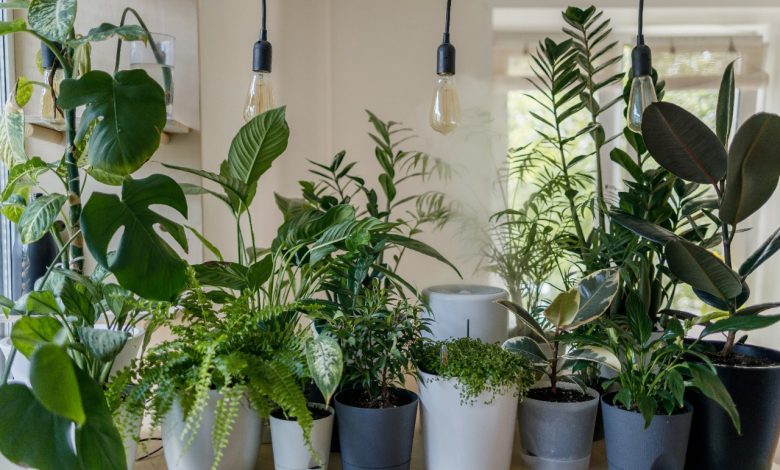
Many differ in their specific requirements, but here are some general tips to help keep yours healthy.
Match plants with light conditions
Indoor plants vary in their light requirements. Some prefer strong light whereas others thrive in the soft morning light. Your plants will tell you if they are getting too much or too little by the colour of their leaves.
Choose the right container
It is important to consider size and material for your plants to grow and thrive.
Use good-quality potting soil
Good potting soil promotes healthy roots by providing a balance of proper aeration, nutrition and moisture-holding capability.
Water properly
Like all containerised plants, indoor plants need frequent, thorough watering. Allow the soil to partially dry before watering again. To check soil moisture, stick your finger into the top two centimetres of soil. If it is dry, it’s probably time to water.
Fertilise and control pests
The frequent watering leaches nutrients out of the soil and must be replaced by regular fertilisation. Insects, such as aphids, scale and white flies, can be problematic indoors. Regularly inspect your indoor plants for signs of insect pests and treat when necessary.
The Lowveld is known for its humid sub-tropical climate with hot and rainy summers and mild, dry winters. Summer temperatures are mitigated by altitude while winter temperatures vary considerably between day and night.
Indoor plants that thrive in the Lowveld:
Devil’s ivy
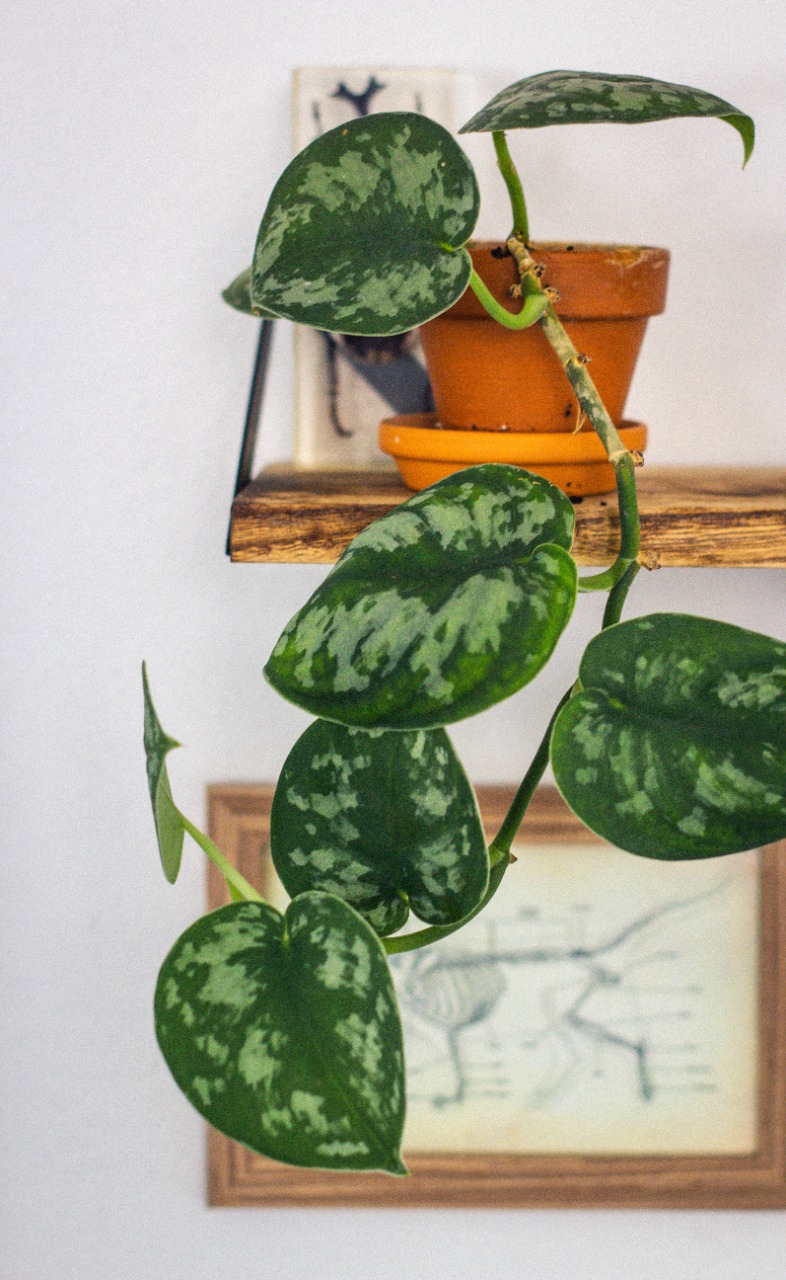
The experts agree that devil’s ivy is a hardy, easy-to-care-for plant that can survive in most spaces. In fact, they are sometimes referred to as “cubicle plants” for that reason. Although it doesn’t necessarily need the high humidity, it will tolerate it. Plus, it can survive lower light levels and irregular watering. This fast-growing plant flourishes into a hanging vine, so set one on a high shelf.
Air plants
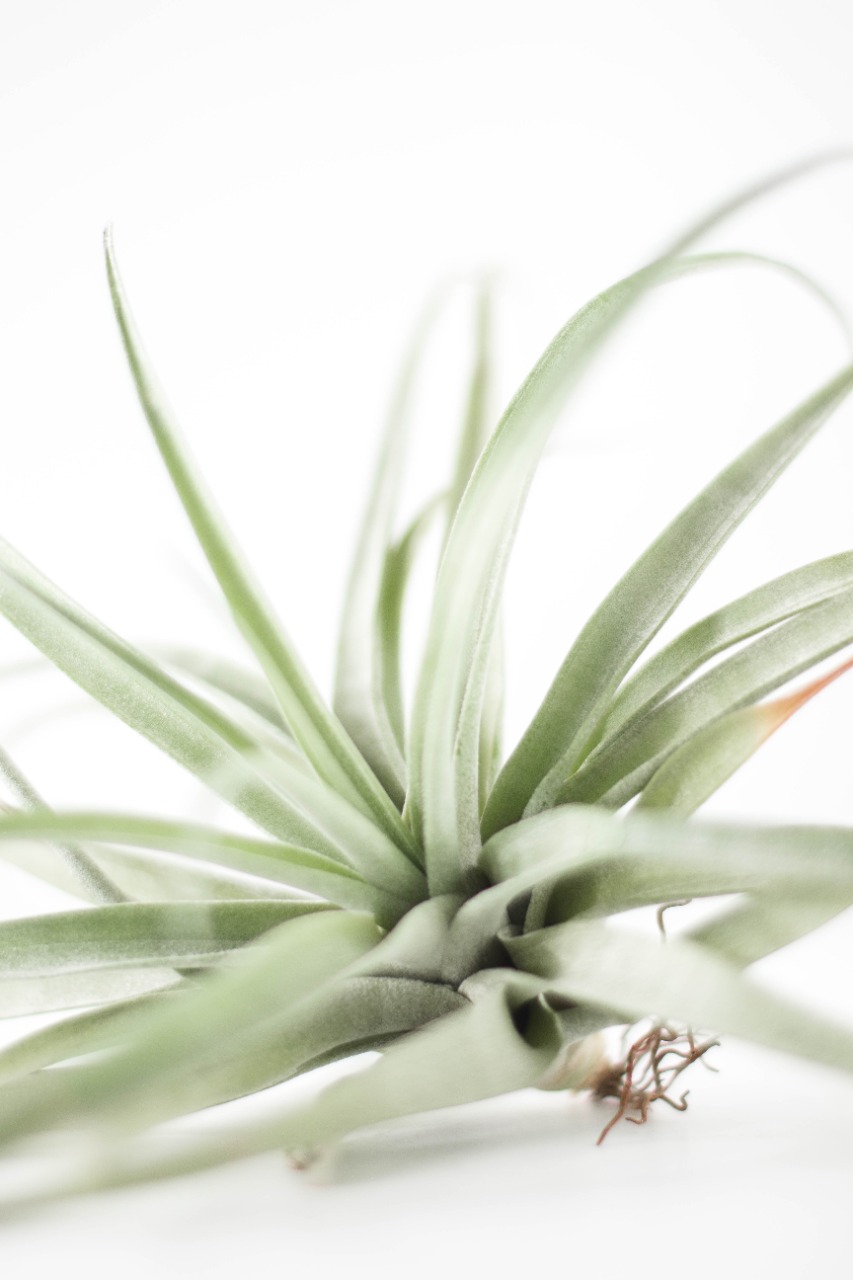
Air plants thrive in a humid climate, but they do best in bright, indirect light. You can keep the potting soil in the shed for this one. Air plants grow without dirt altogether and just needs to be dunked in water for about two or three hours every ten days.
Aloe
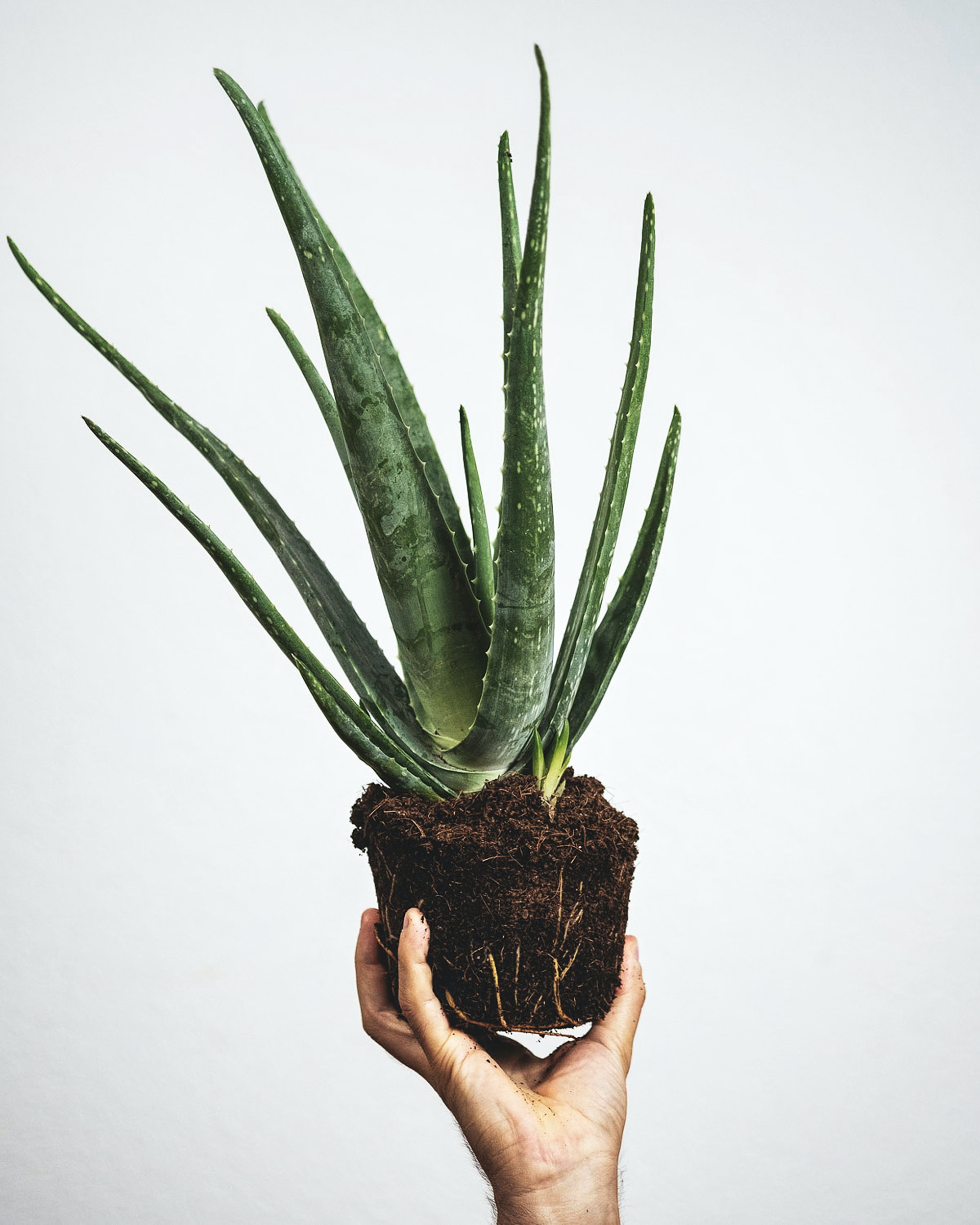
Aloe doesn’t really need moisture. Give it a good soak every week or two for optimal growth. The gooey insides of the aloe plant’s leaves can be used to help soothe skin, heal minor burns, reduce itch, and more. Set the plant near a window, as it appreciates bright, direct light.
Calathea
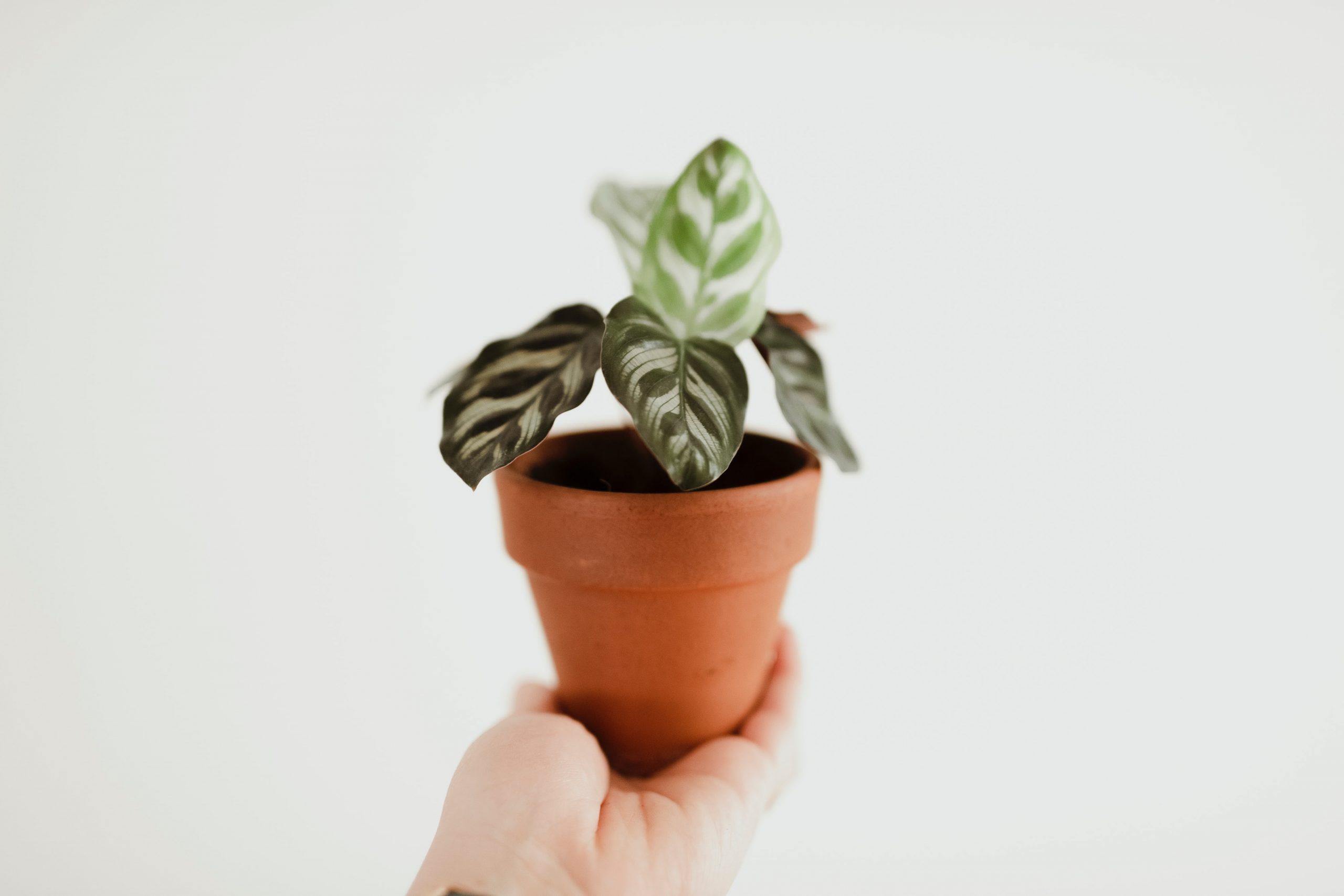
Calatheas are well-suited for humid conditions and can tolerate indirect light. If you want to bring a splash of color and elegance to the bathroom, calatheas are the way to go. If your space doesn’t get a ton of natural light opt for a variety called the “Freddie” calathea.
Orchids
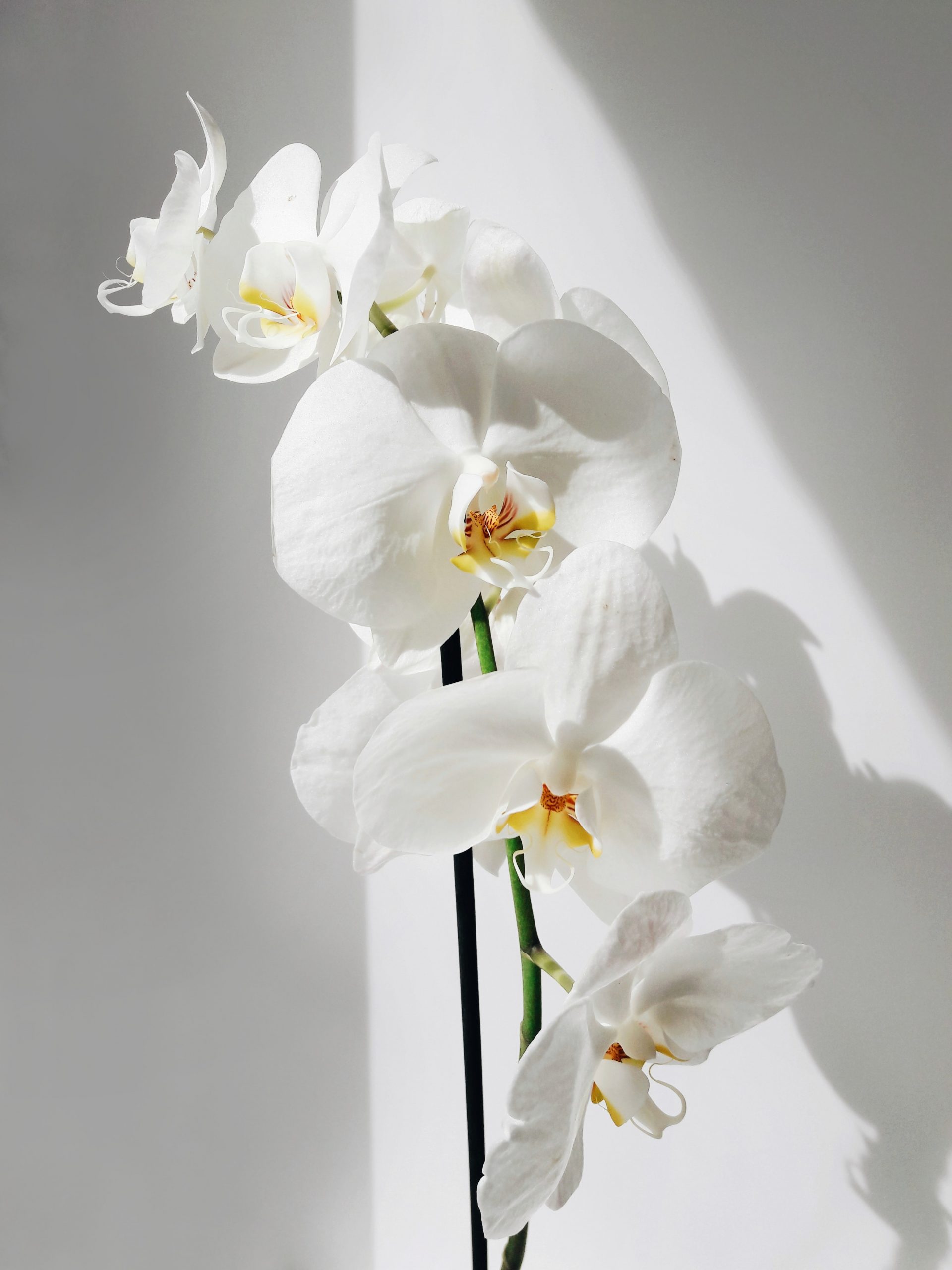
Native to tropical Asian countries, the orchid prefers low light and more humid climates, but it’s more easy-going than the showy blooms suggest. Most orchids are pretty forgiving, and only need a small amount of water every week or week and a half.
Peace Lily
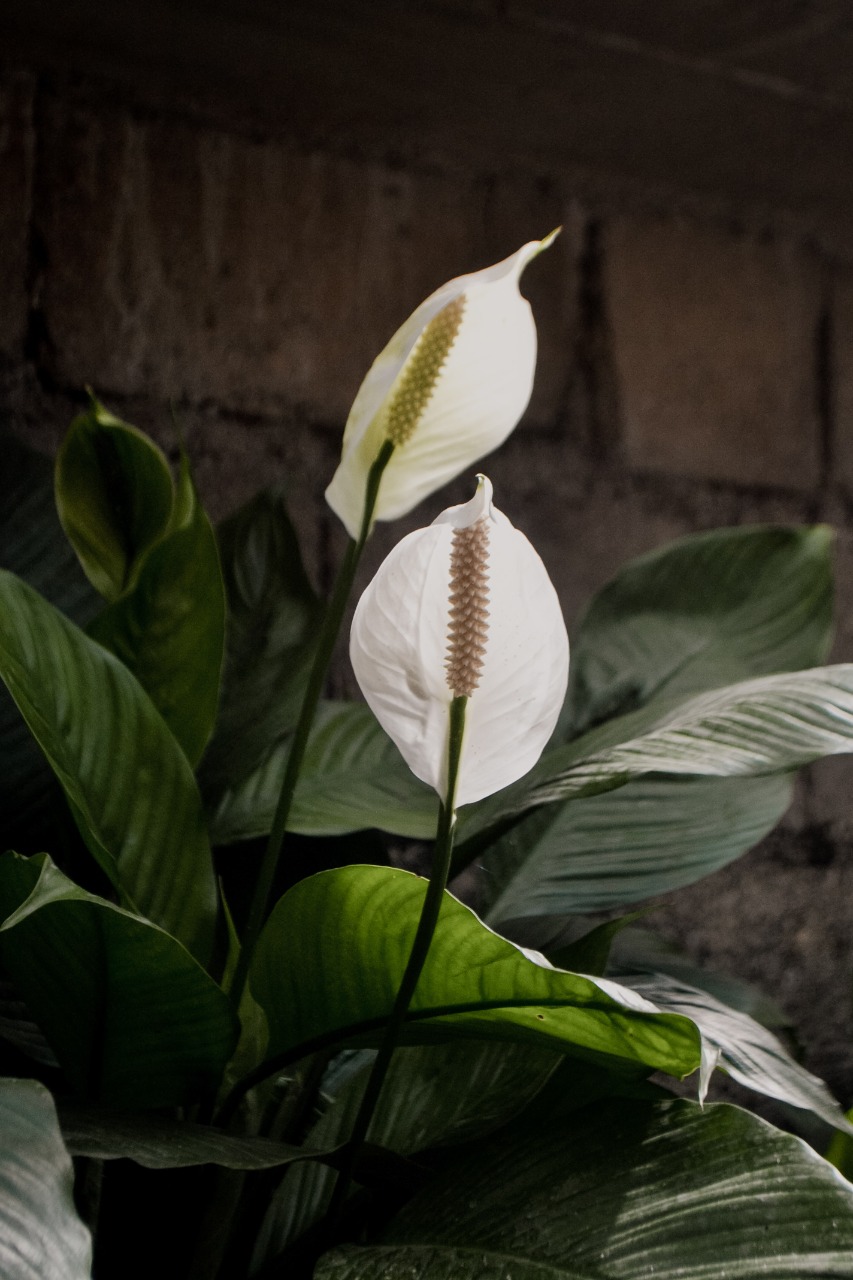
Peace lilies are lovely, especially when massed and in bloom. This plant is easy to grow and maintain, and the blooms last for months. Even if they are a bit of a challenge to overwinter, it is still well worth the effort. Avoid placing peace lilies in direct sunlight. If you’re prone to overwatering, try Spathiphyllum. With just enough light, they’ll also produce their spade-shaped flowers throughout the year.
Spider Plant
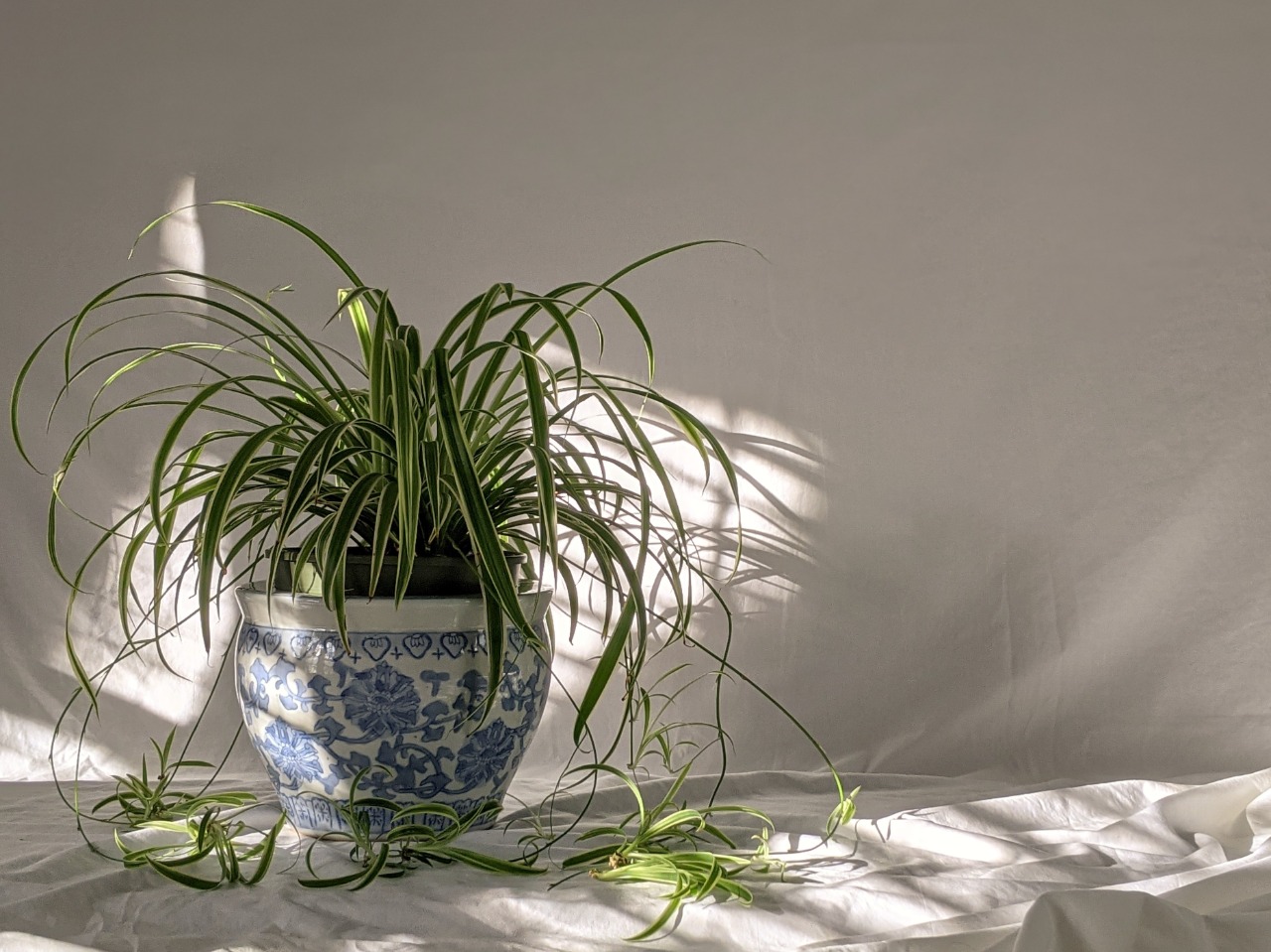
What’s better than one spider plant? Multiple spider plants. The fast-growing shoots produce little “babies” that you can re-pot for added greenery elsewhere. Just stick to well-lit spots, and don’t forget weekly watering.
Philodendron
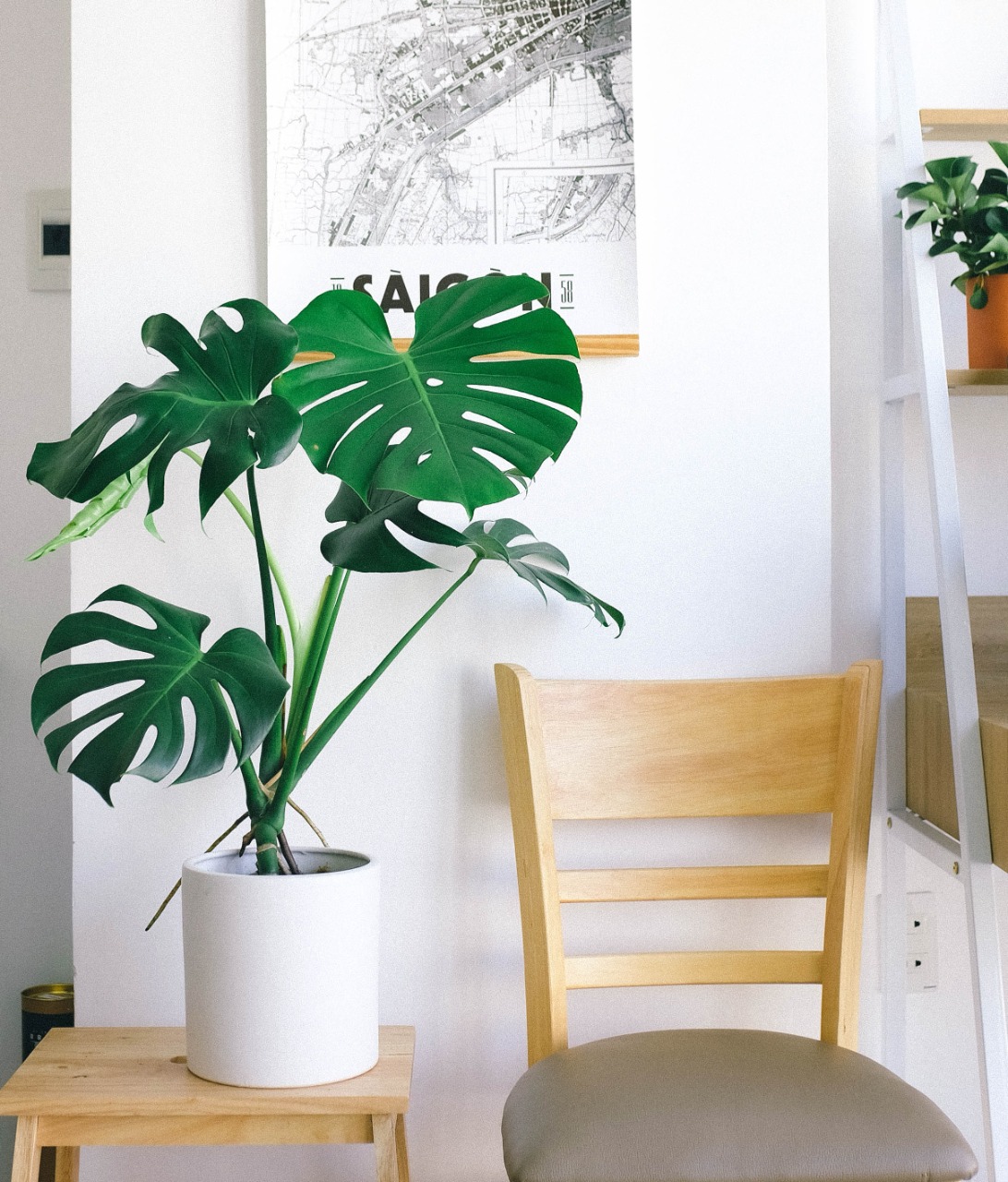
There’s a lot to love about philodendrons. Their name literally comes from the Greek words philo- (meaning “love”) and dendron (meaning”tree”). Most types can withstand dark corners as well as sparse watering. They like to be on the dry side, so don’t fill the watering can more than once per week.
ALSO READ:
Indoor plants make for a lovely added décor piece in your home and requires little to none attention! An added bonus is the air purification benefit that they add. Happy planting!