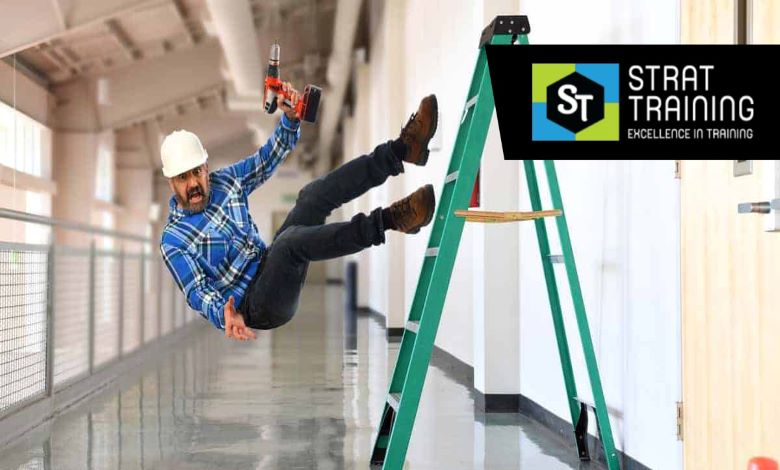
In most everything we do, we find a way to make the process go easier and faster. These processes we develop become work habits and are used not only at work but in our everyday activities. Some say it takes 21 days of continual monitoring and reminding yourself to develop a habit. Some of us have very good habits, some of us could use a little work. Good work habits include:
- Always wear the proper personal protective equipment. Don’t over exert yourself – get help with heavy tasks.
- Don’t over extend yourself when on ladders – and risk losing your balance.
- Always use the proper tool for the job. Concentrate on your work.
- Look for unsafe acts or unsafe working conditions – and then report them. Watch out for others – remember you are part of a team.
These are just a few habits that safety conscious employees do each and every time they do the task. Ask the following questions before you begin to work:
- Are the conditions safe to do the work? Are the methods we are going to use safe?
- Does everyone know what to do?
- Does everyone know how to do it?
- Can I or a co-worker fall, get struck by, get caught between or under, or get electrocuted on this job?
By remembering and following safety rules and by asking yourself about the conditions, methods, job site hazards and knowing what to do, you should be able to decrease your chances of being injured. Take steps to prevent accidents, not cause them.
You might also be interested in: First Aid Courses
The ten commandments of good safetyy habits
In most everything we do, we find a “trick” to make the process easier and faster. After we develop these tricks, they become work habits in our everyday activities. Developing everyday safety habits can keep you injury free through the year. Here are ten safety habits to live by:
- Set Your Own Standards. Don’t be influenced by others around you who are negative. If you fail to wear safety glasses because others don’t, remember the blindness you may suffer will be yours alone to live with.
- Operate Equipment Only if Qualified. Your supervisor may not realize you have never done the job before. You have the responsibility to let your supervisor know, so the necessary training can be provided.
- Respect Machinery. If you put something in a machine’s way, it will crush it, pinch it or cut it. Make sure all guards are in place. Never hurry beyond your ability to think and act safely. Remember to de-energize the power first before placing your hands in a point of operation.
- Use Your Own Initiative for Safety Protection. You are in the best position to see problems when they arise. Ask for the personal protective equipment or additional guidance you need.
- Ask Questions. If you are uncertain, ask. Do not accept answers that contain, “I think, I assume, I guess.” Be sure.
- Use Care and Caution When Lifting. Most muscle and spinal injuries are from overstrain. Know your limits. Do not attempt to exceed them. The few minutes it takes to get help will prevent weeks of being off work and in pain.
- Practice Good Housekeeping. Disorganized work areas are the breeding grounds for accidents. You may not be the only victim. Don’t be a cause.
- Wear Proper and Sensible Work Clothes. Wear sturdy and appropriate footwear. These should enclose the foot fully. Avoid loose clothing, dangling jewellery, and be sure that long hair is tied back and cannot become entangled in the machinery.
- Practice Good Personal Cleanliness. Avoid touching eyes, face, and mouth with gloves or hands that are dirty. Wash well and use barrier creams when necessary. Most industrial rashes are the result of poor hygiene practices.
- Be a Positive Part of the Safety Team. Willingly accept and follow safety rules. Encourage others to do so. Your attitude can play a major role in the prevention of accidents and injuries.
Read more: Hacks to get your family into a healthy work-life routine