Komati Basin Water Authority commemorates World Water Day 2022
World Water Day, themed “Groundwater - making the invisible visible”, focuses the spotlight on this invisible yet very precious resource, enhancing knowledge exchange and collaboration and thereby increasing the awareness of the importance of taking care of our groundwater.
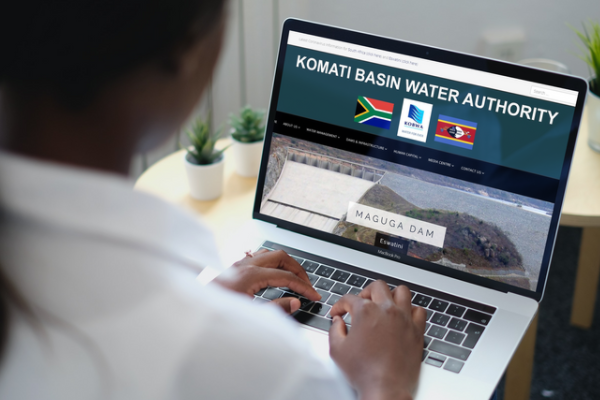
As stated by the International Groundwater Resources Assessment Centre, groundwater forms the invisible part of water resources, making 30% of the world’s water resources. It is a vital resource. It provides up to half the world’s drinking water. Agriculture, the natural environment and sanitation all rely on groundwater.
In the Komati River Basin, it plays a crucial role for many communities and water users. Groundwater and surface water are inextricably linked in a relationship characterised by a continuous interchange of water between them. Indeed, surface water models of the Komati Basin Water Authority (Kobwa) do recognise a significant contribution of groundwater.
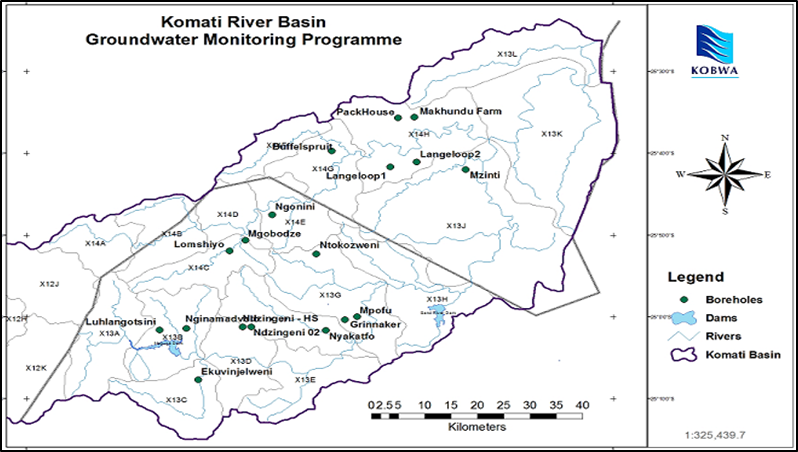
Groundwater and surface water interact to a large extent, thus, Kobwa has an active groundwater monitoring programme designed to record water quality data of boreholes at different monitoring points in the Kobwa operational area, and to support effective and progressive knowledge development and understanding of this resource in the basin. It investigates spatial and temporal patterns of availability and abstraction of groundwater in the operating area.
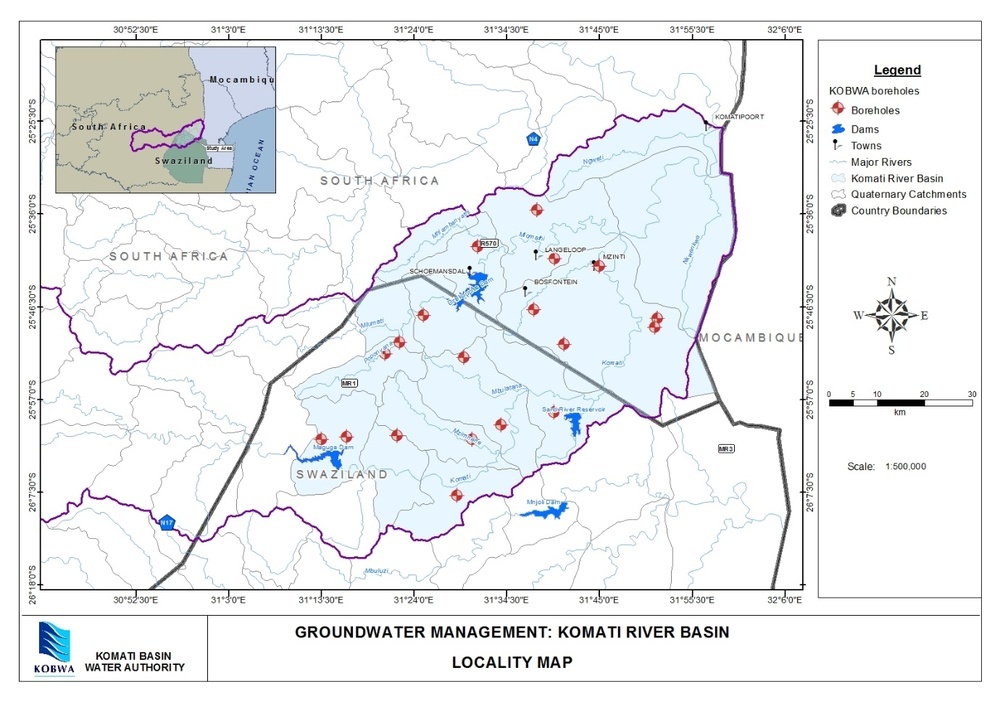
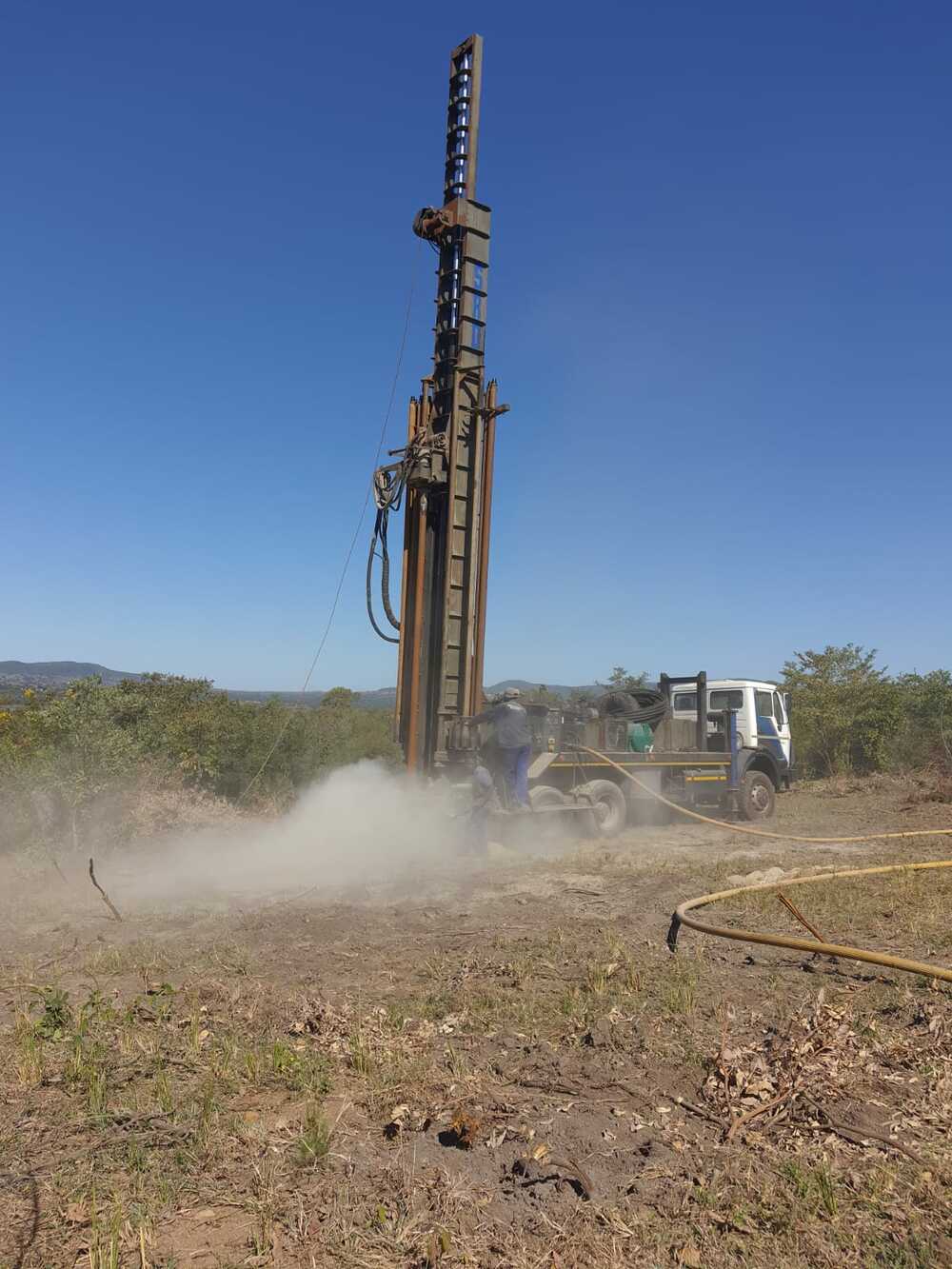
The groundwater management programme supports Kobwa’s surface-based (dams) development initiative. Groundwater is extensively used in the basin, largely for domestic water supply, and shows huge potential in its crucial role of augmenting surface water supply and improving system operation.
Surface water, the traditional source for bulk supply, is becoming more limited and even unavailable in many catchments, and the infrastructure and the costs of construction and maintenance are prohibitive. Through its corporate social responsibility programme, Kobwa comprehends the importance of groundwater by funding the installation of new boreholes, management and revamping of existing boreholes to alleviate water shortages within the Kobwa catchment area.
Groundwater monitoring and management are perceived to complete the dimensions of water management in the basin. The system approach in the management of the Komati River Basin intrinsically recognises the importance of groundwater and its huge contribution to river flow in the dry season, and on various levels.
The Kobwa groundwater management programme seeks to enhance the knowledge base for this resource, and to ensure its sustainable management and use in the Komati River Basin.
The objectives and outputs of the Kobwa groundwater management programme are as follows:
• Increasing groundwater resource knowledge in the Komati basin to enable sustainable development of the groundwater resources.
• Understanding the interaction of ground and surface water in the basin.
• Contributing to and supporting integrated and holistic management of Komati basin water resource.
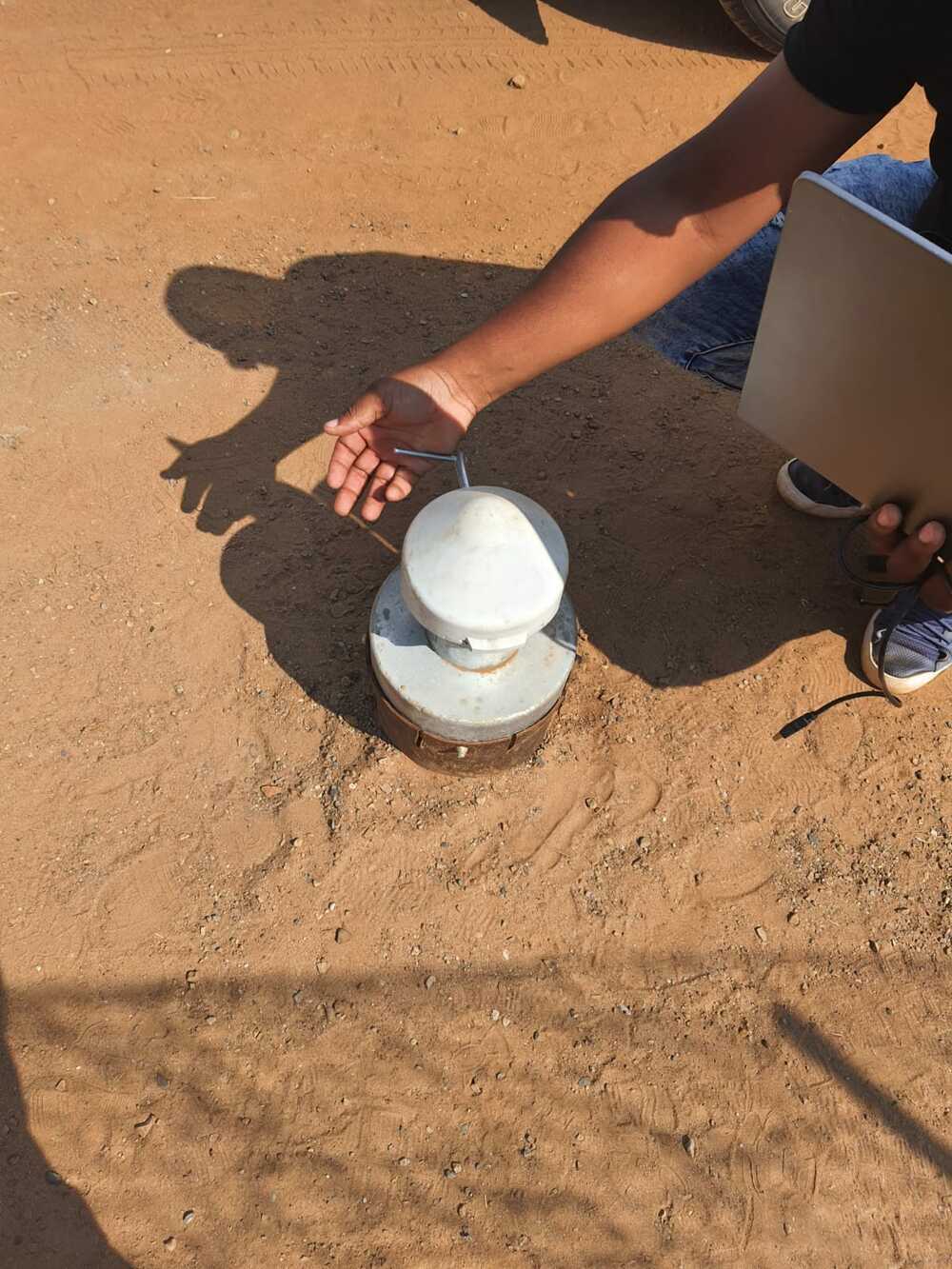
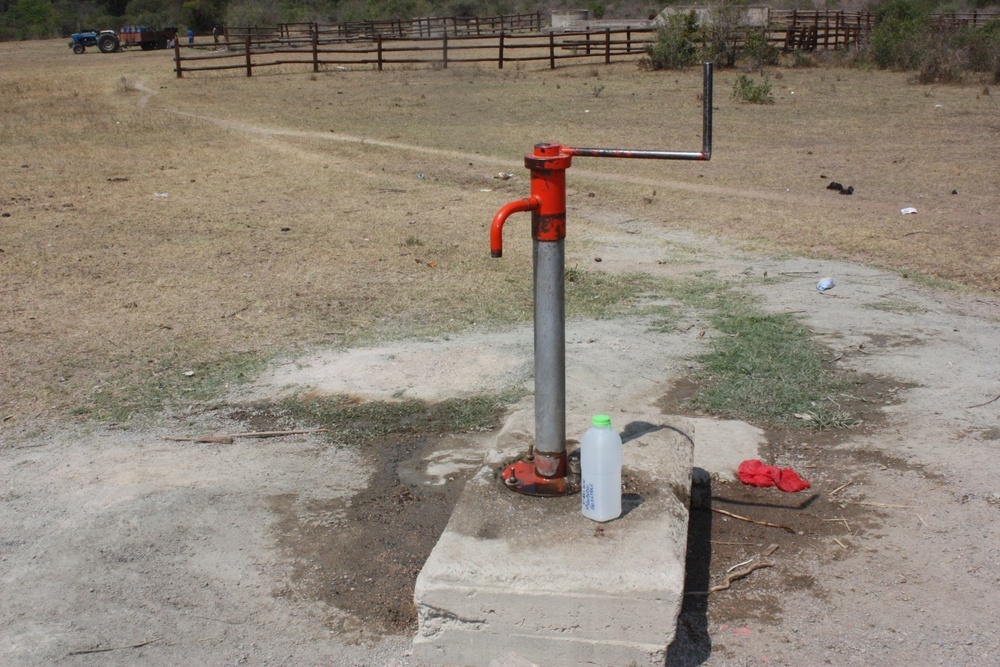
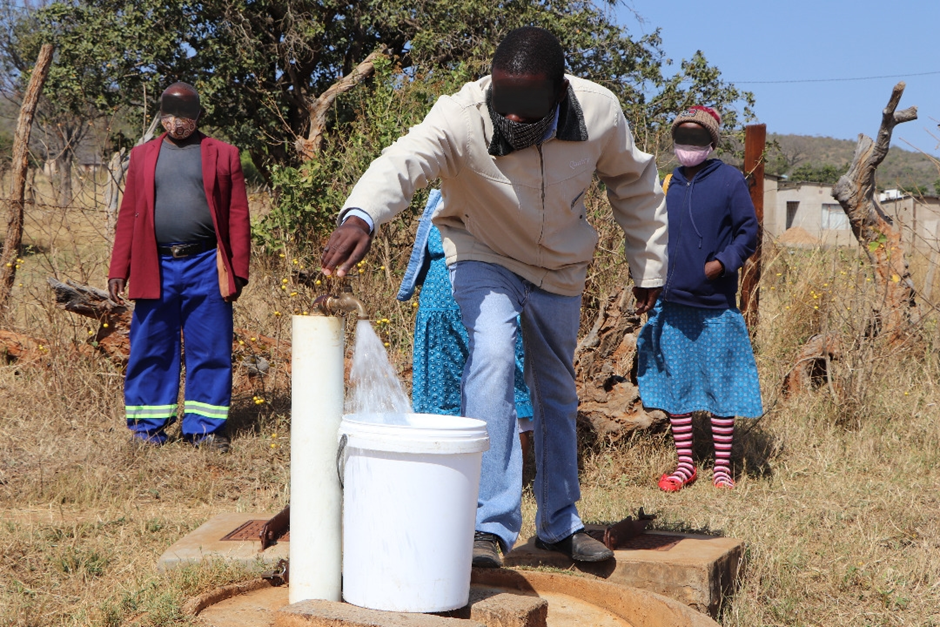
Stakeholders in the Komati River Basin groundwater management programme are the borehole owners, water users, departments for water in both South Africa and eSwatini, and catchment management agencies.
Advocacy
Kobwa, as an institution dealing with transboundary water resources, notes the crucial need for correlating surface water and the groundwater component, which will play a pivotal role in water supply in the new future. It should thus be explored and understood better, as well as protected to ensure aquifer systems are not exploited and polluted from human activities. There is a genuine need from individuals to institutions to work together to sustainably manage this precious resource.
About Kobwa
Kobwa is a binational company formed in 1992 through the Treaty of the Development and Utilisation of the Water Resources of the Komati River Basin.
The treaty was signed by the Government of the Kingdom of eSwatini (then Swaziland) and the Government of the Republic of South Africa. The authority was tasked with designing, constructing, operating and maintaining two dams and associated infrastructure.
This resulted in the construction of Driekoppies Dam in Schoemansdal South Africa (1993 to 1998) and Maguga Dam in eSwatini (1998 to 2003). The two dams were constructed mainly to provide assurance of water supply to the irrigators in both member states.