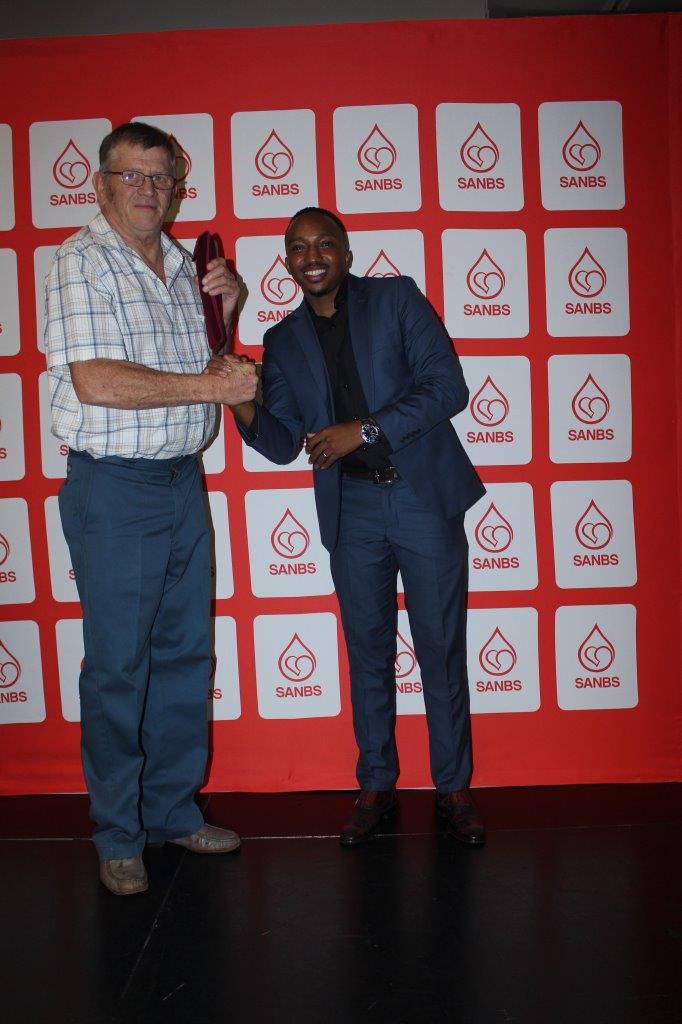
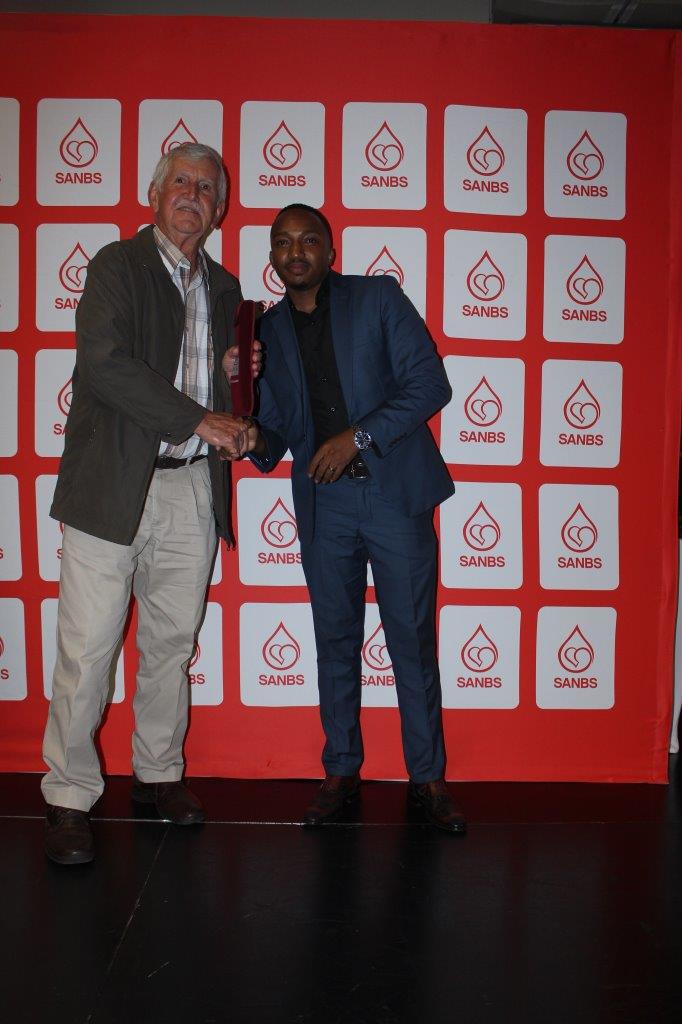
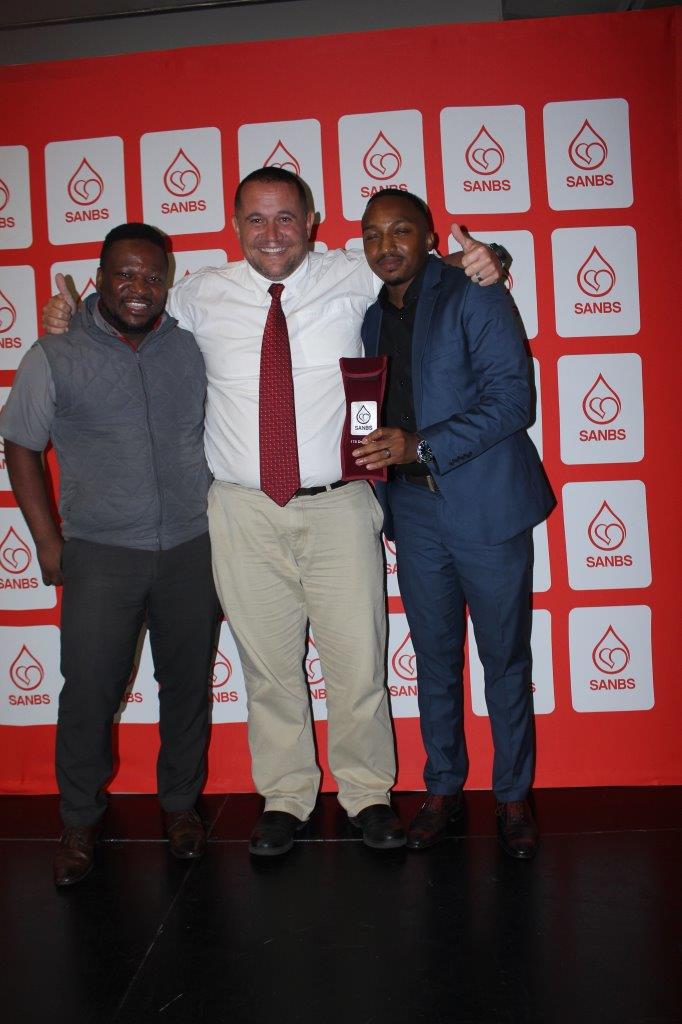
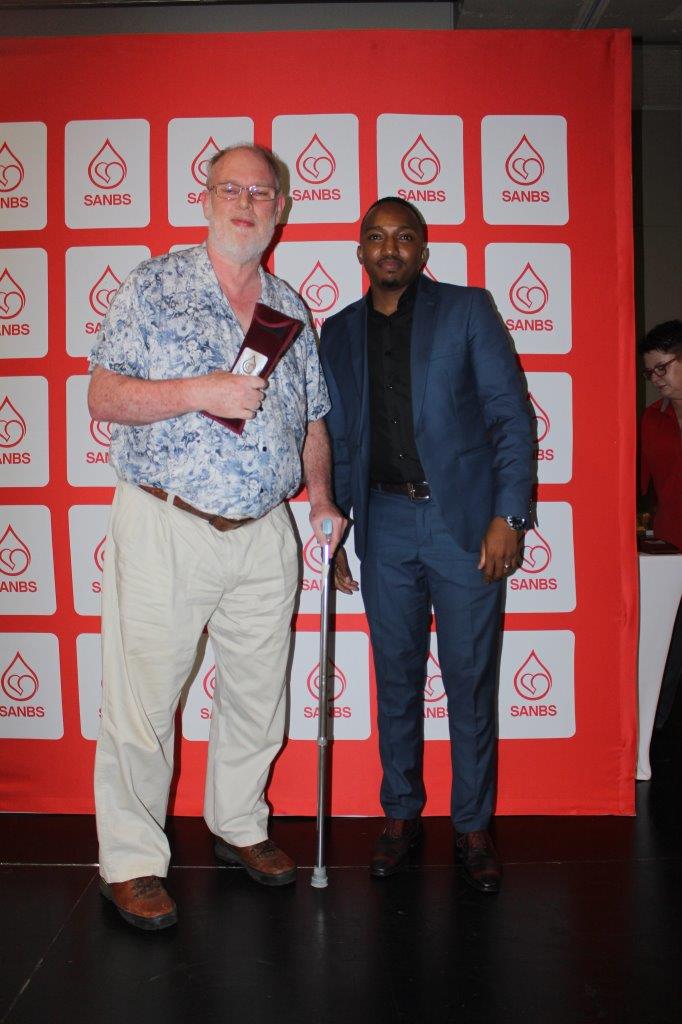
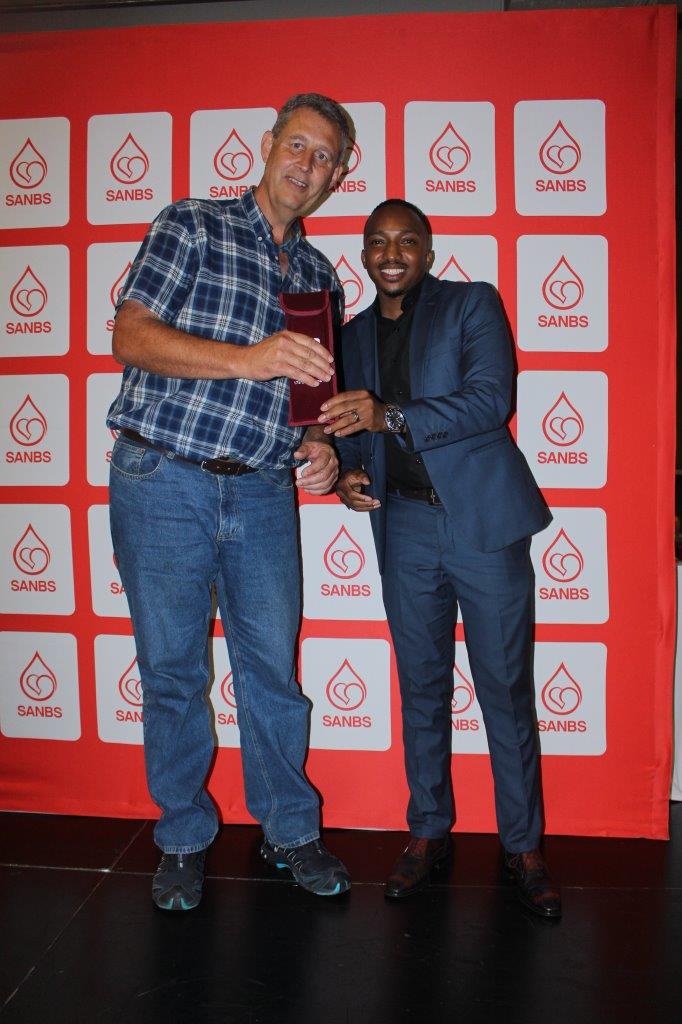
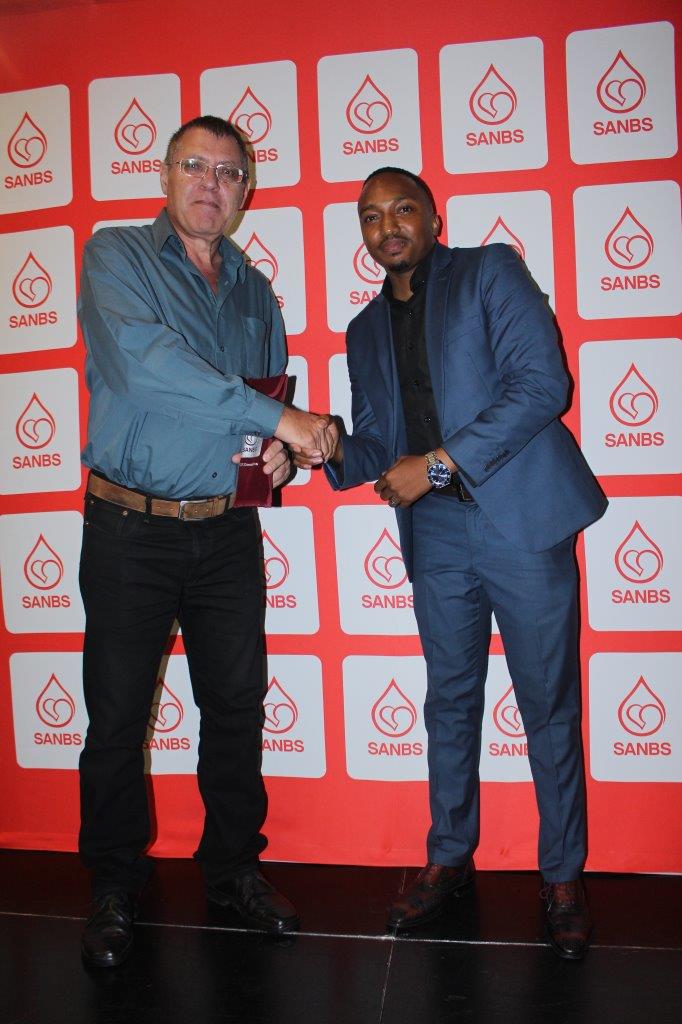
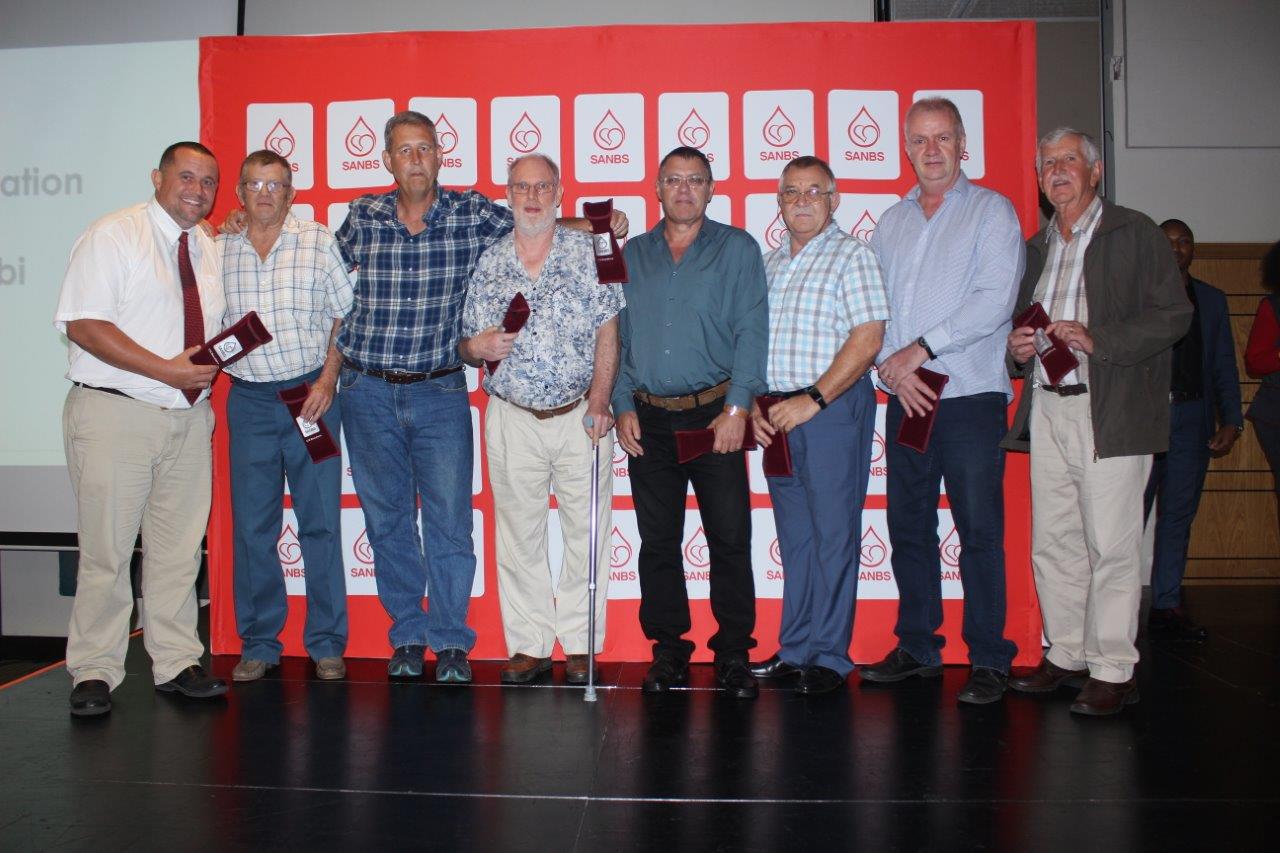
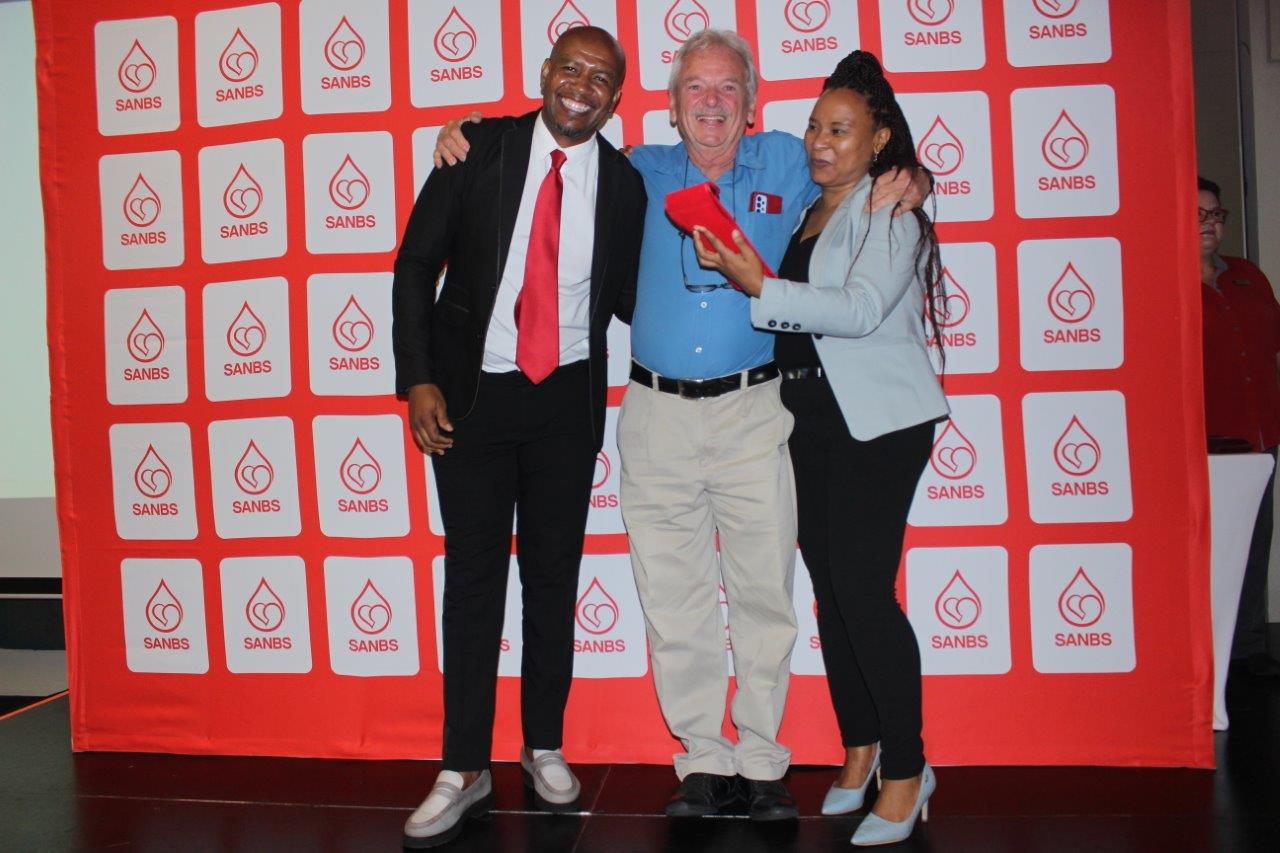
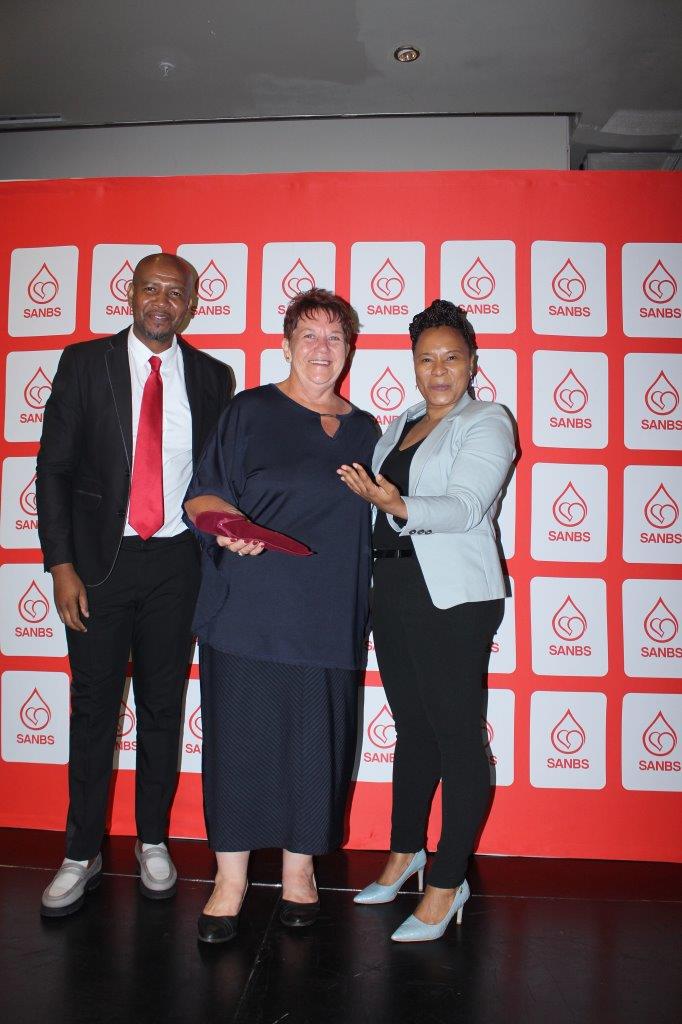
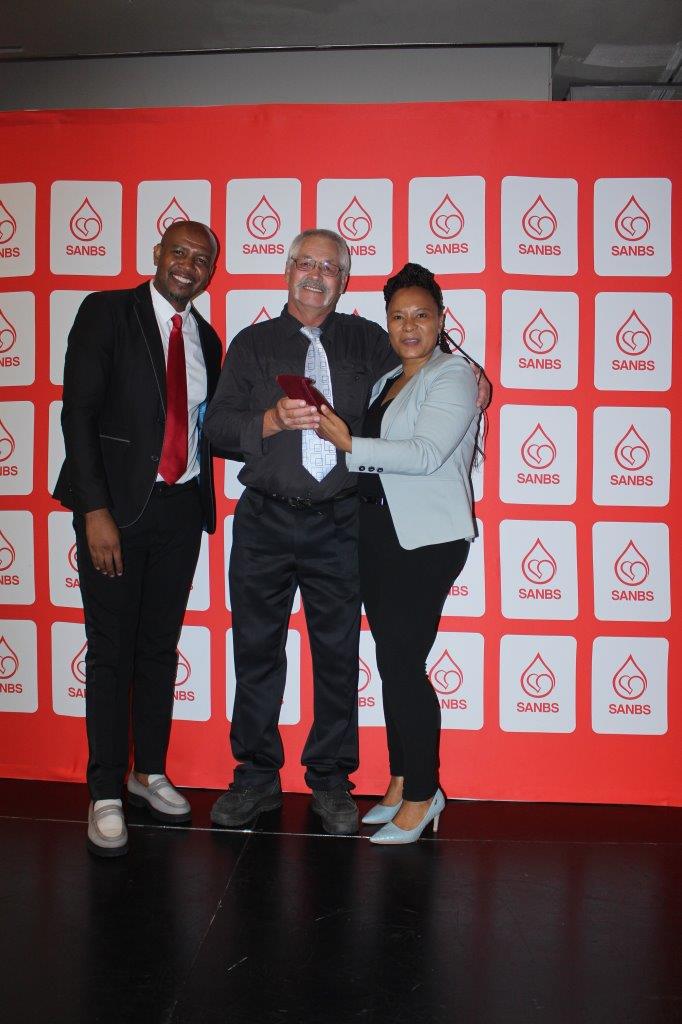
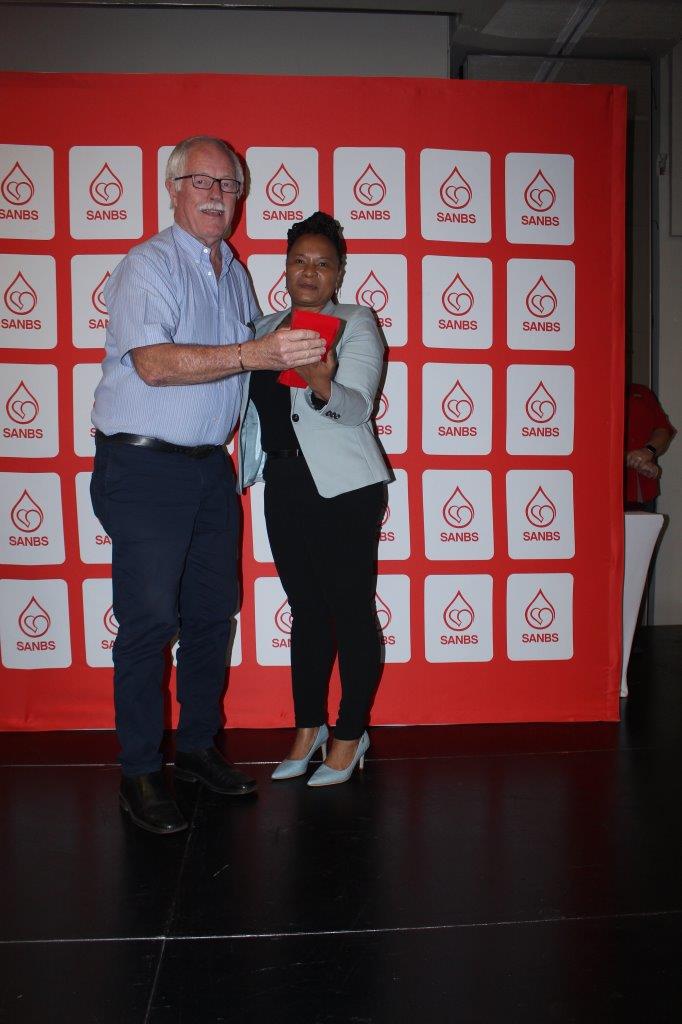
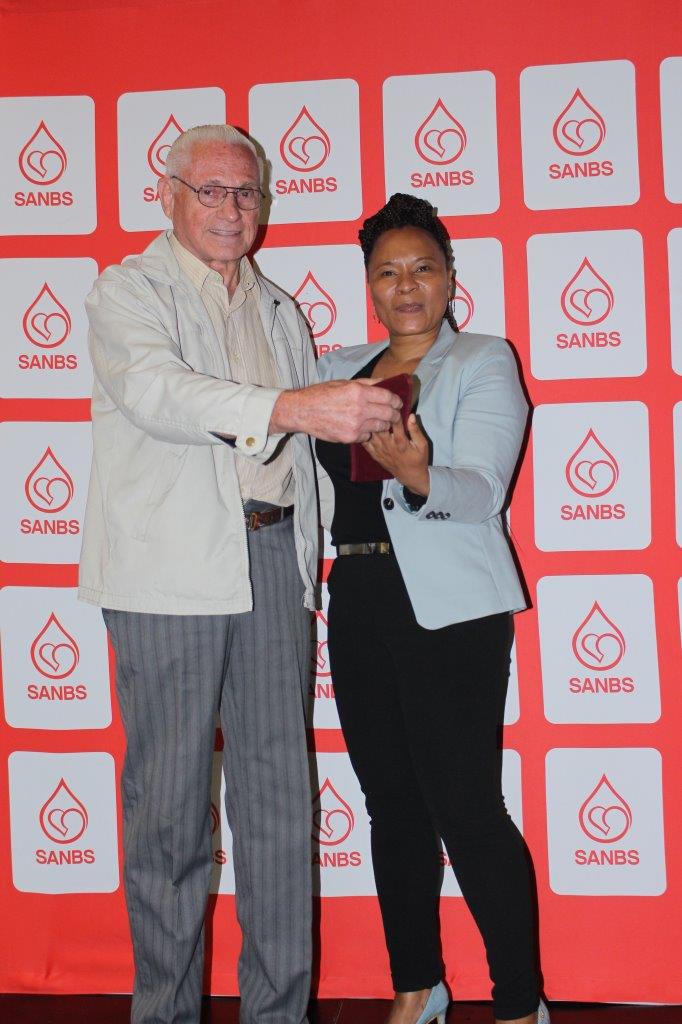
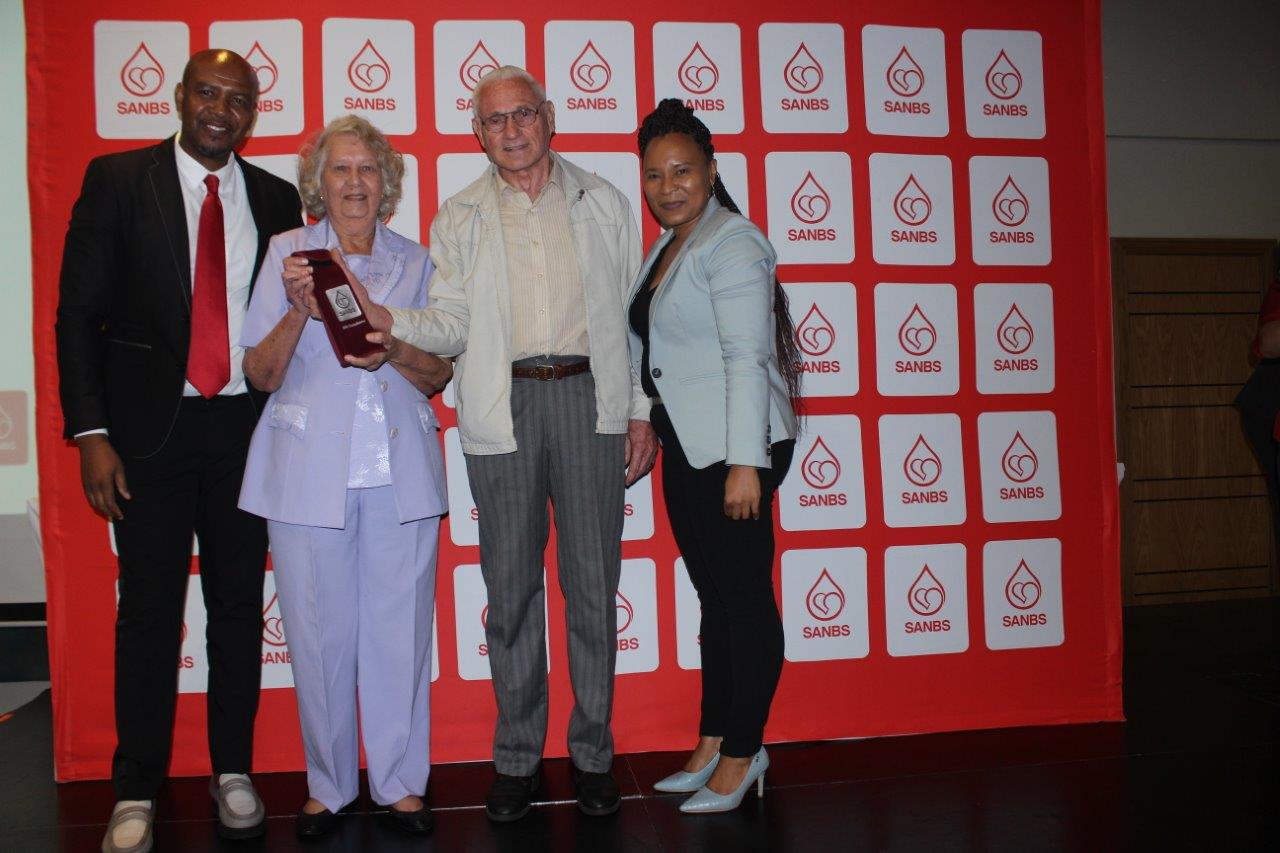
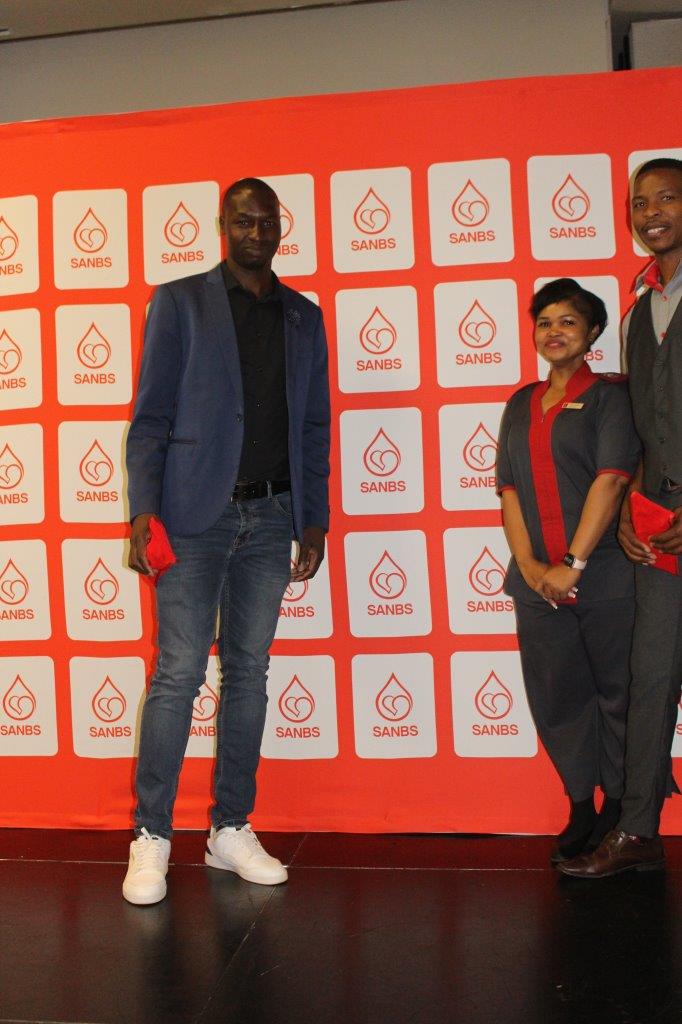
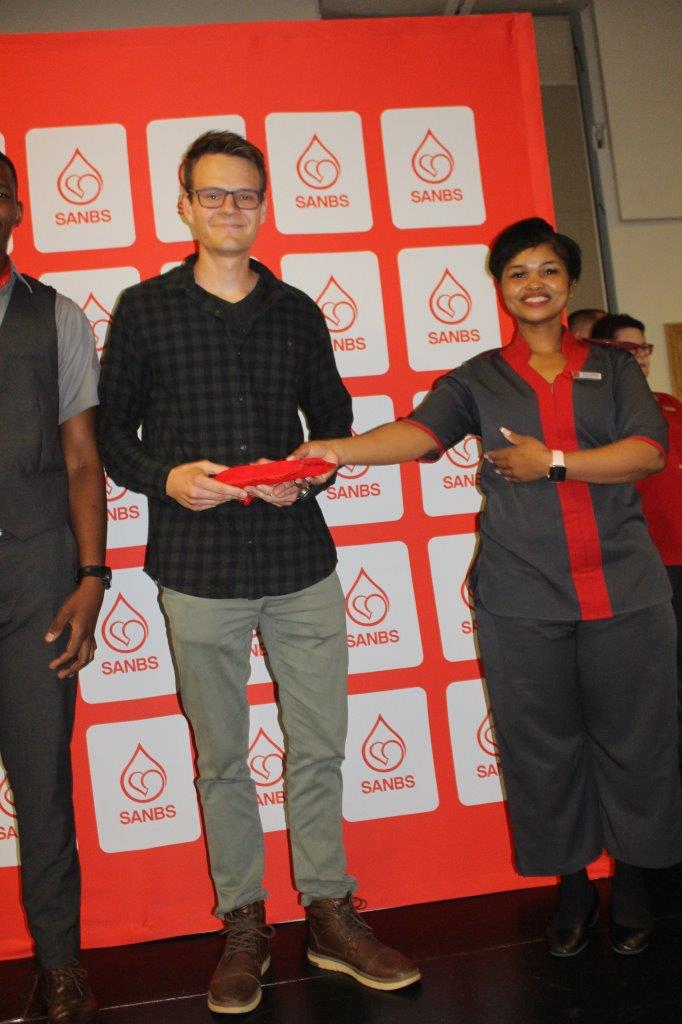
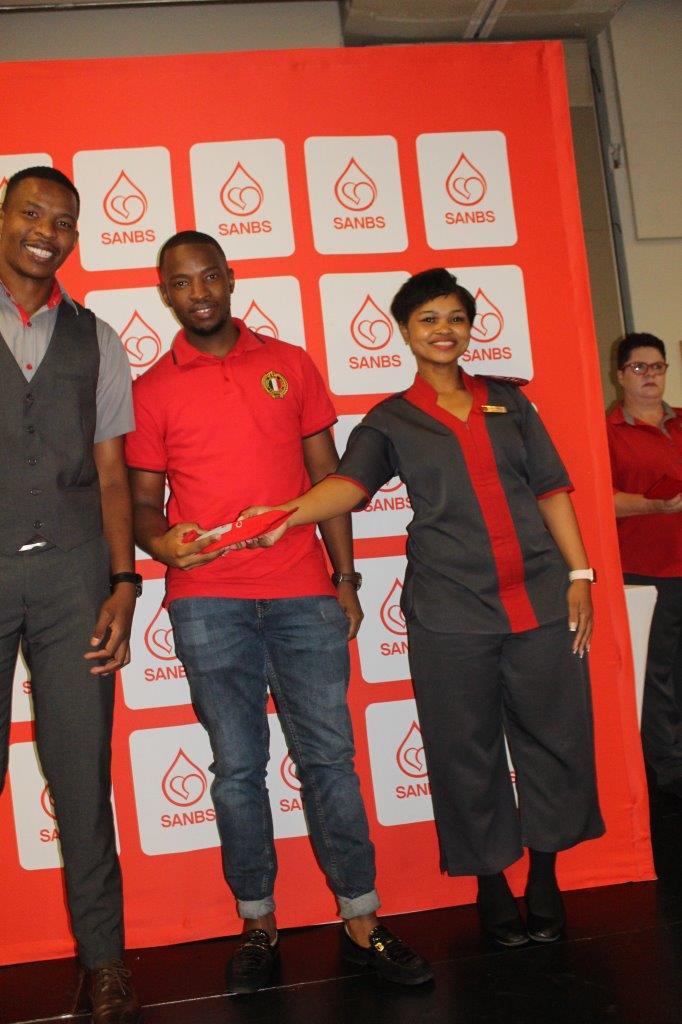
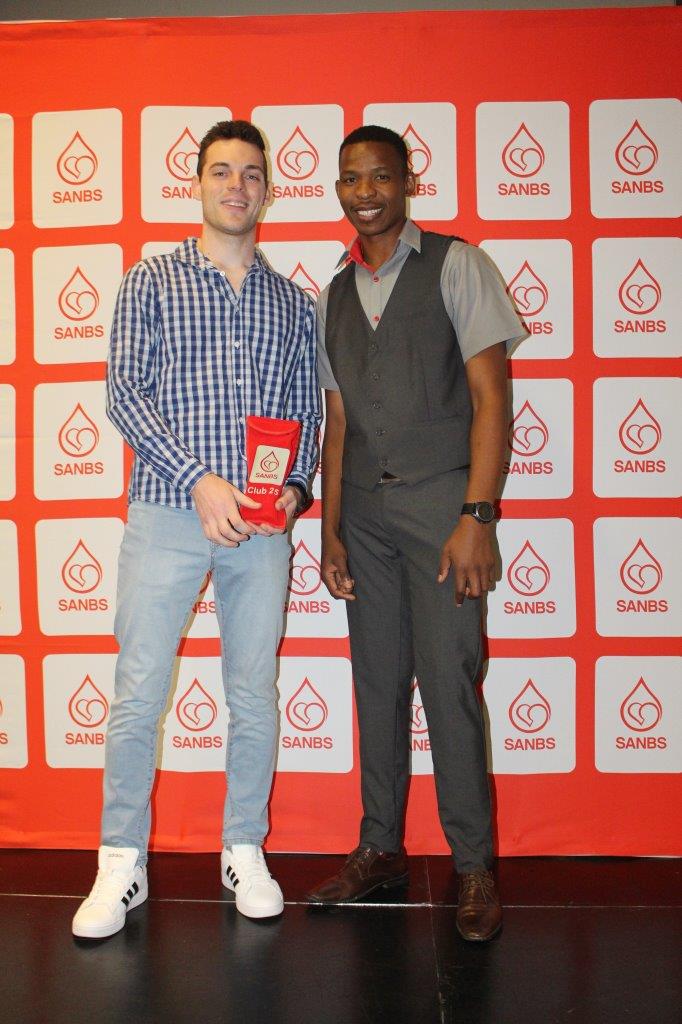
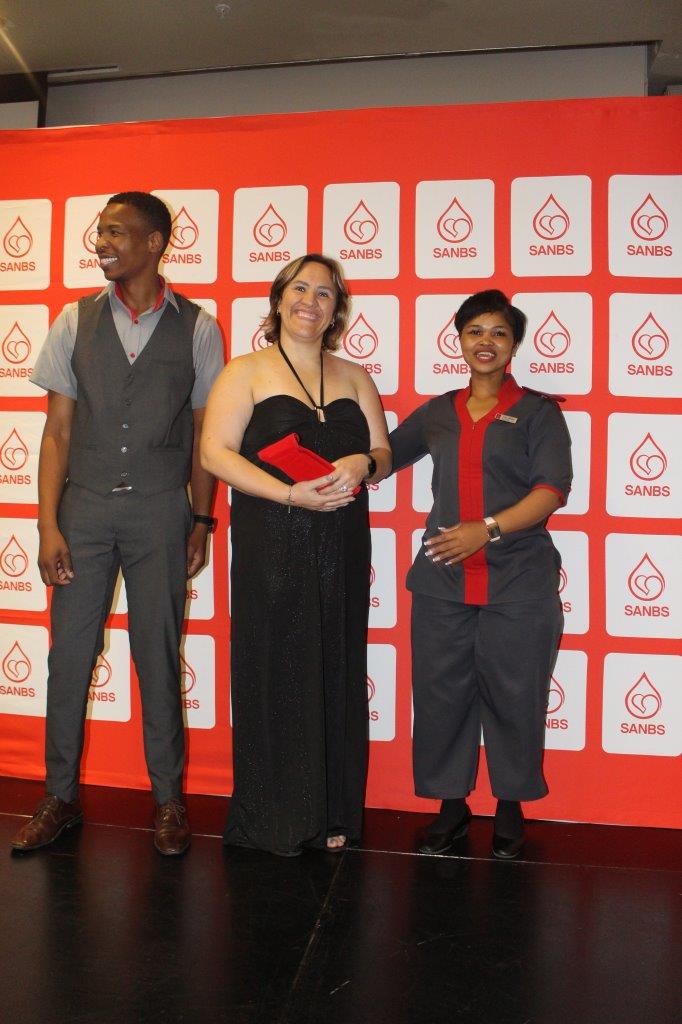
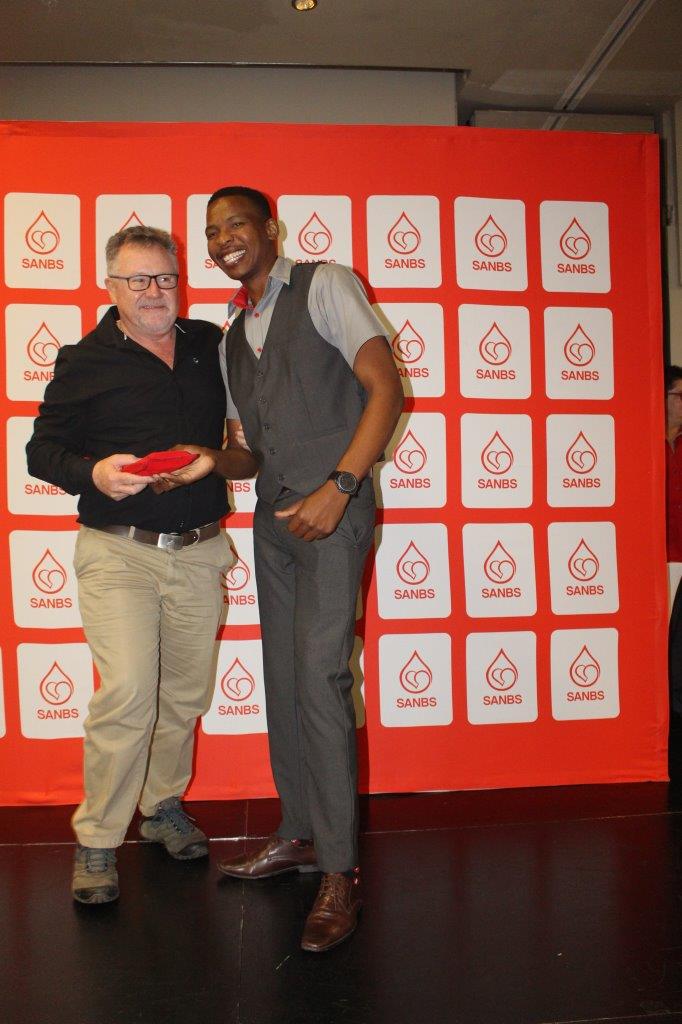
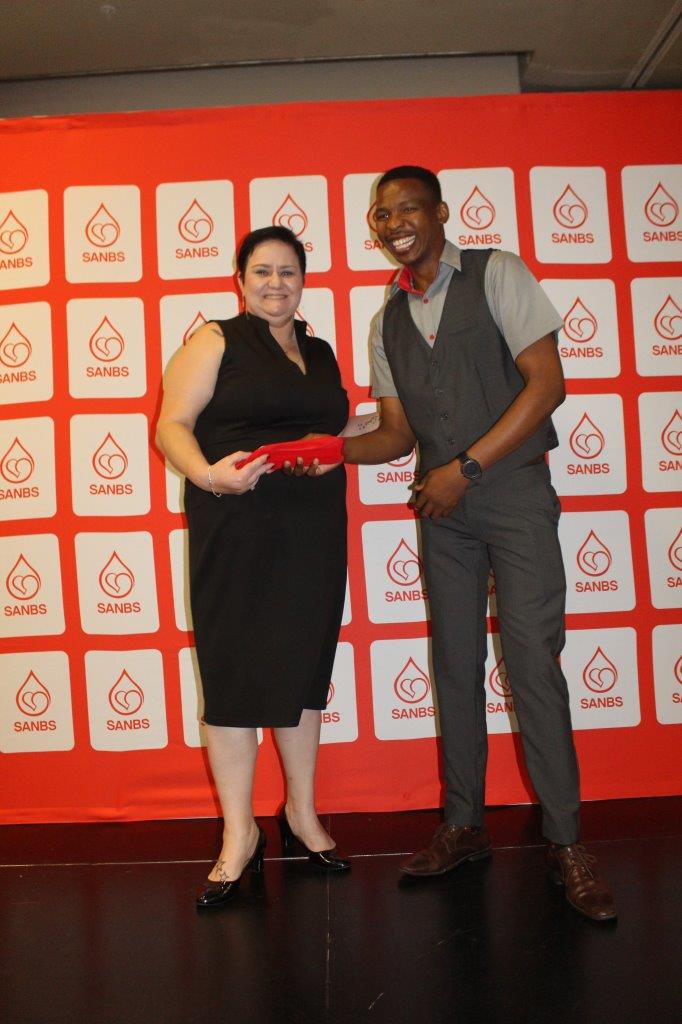
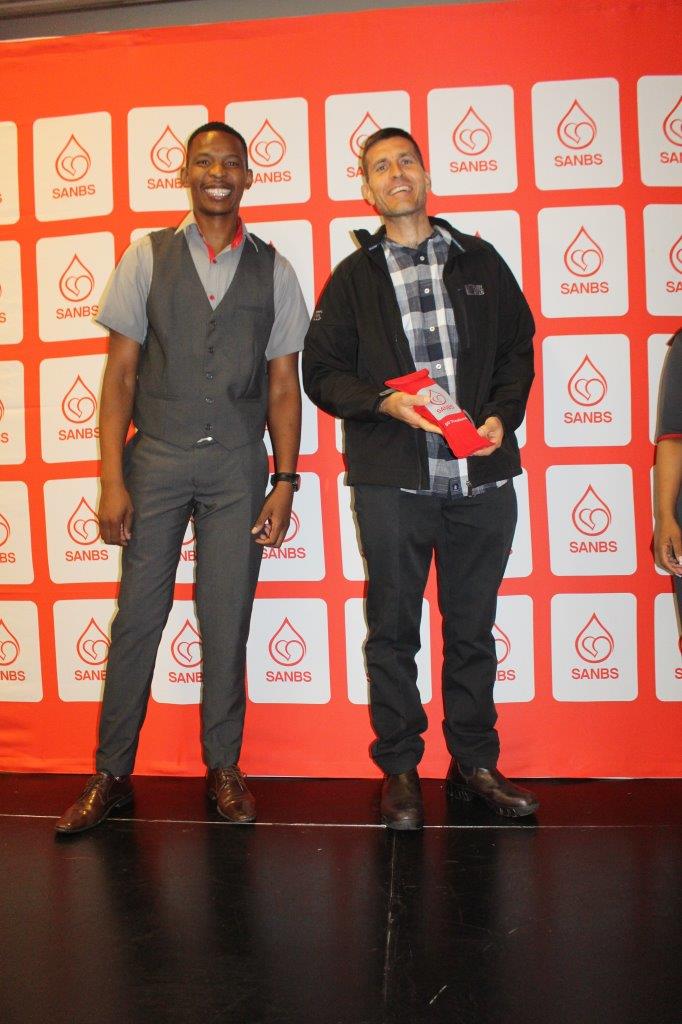
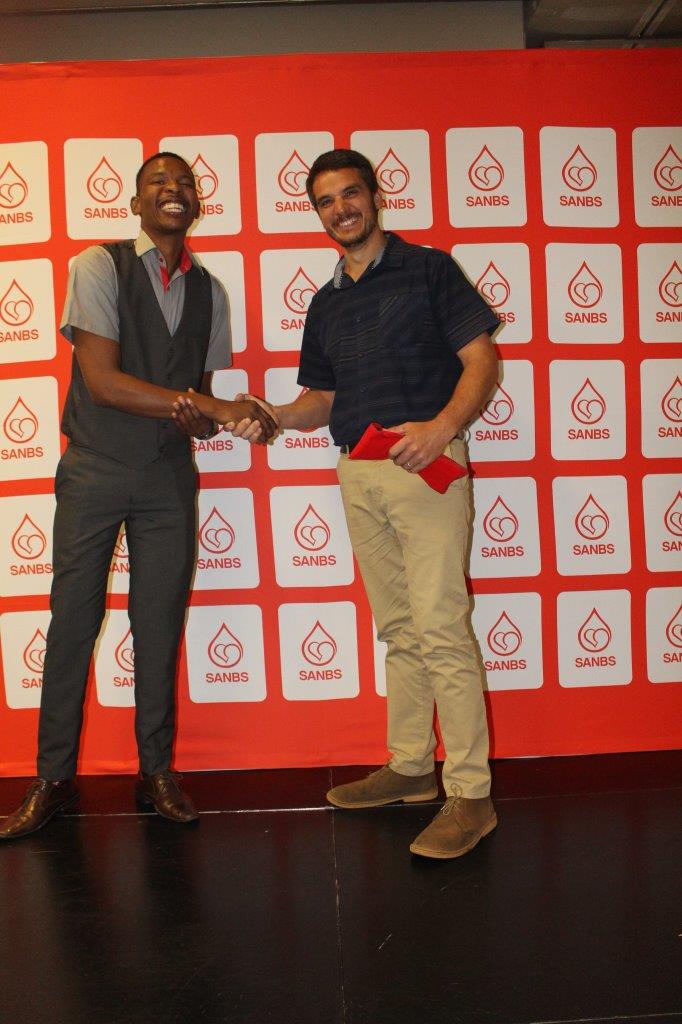
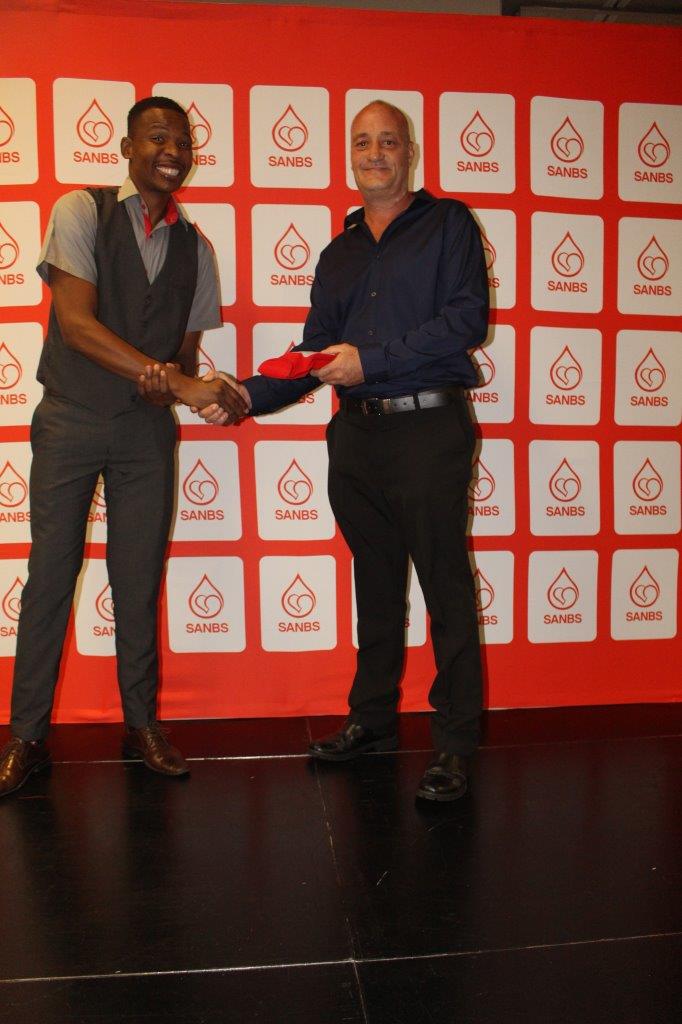
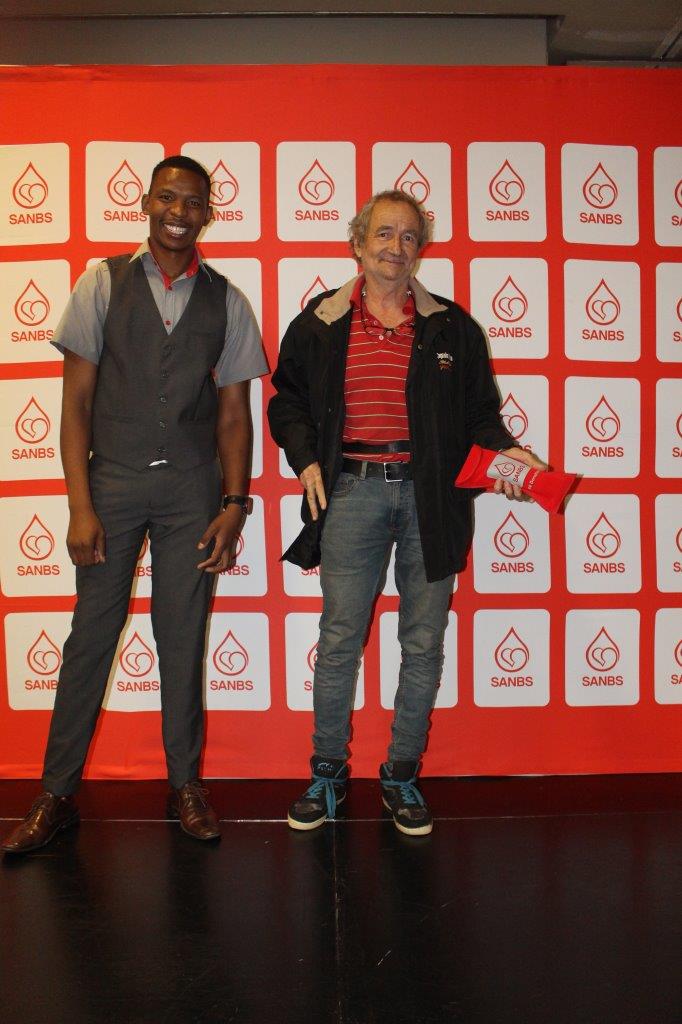
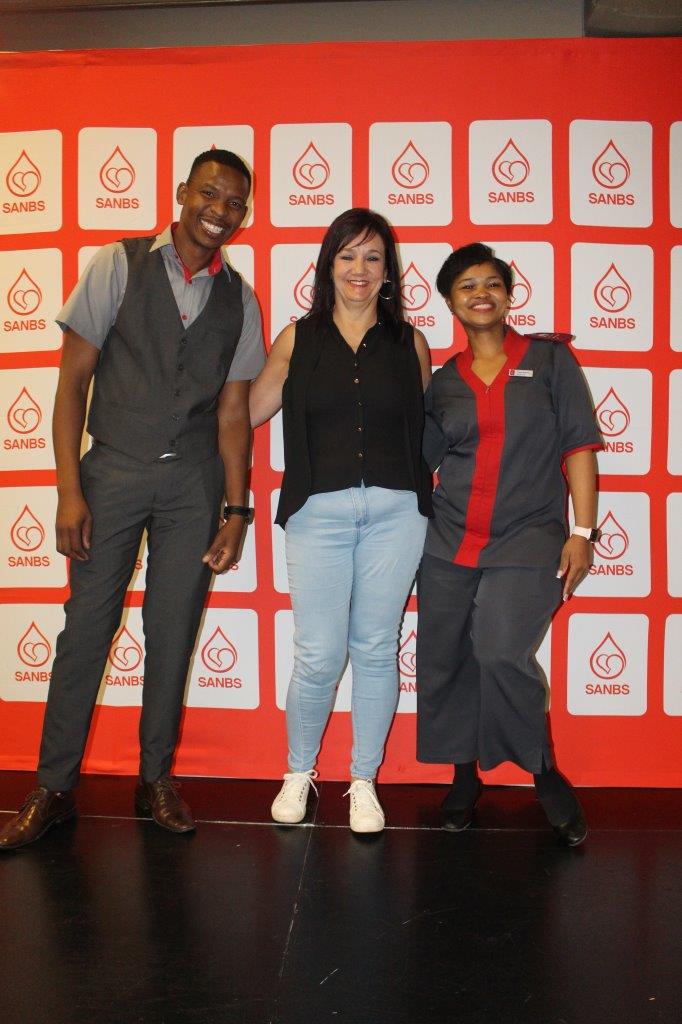
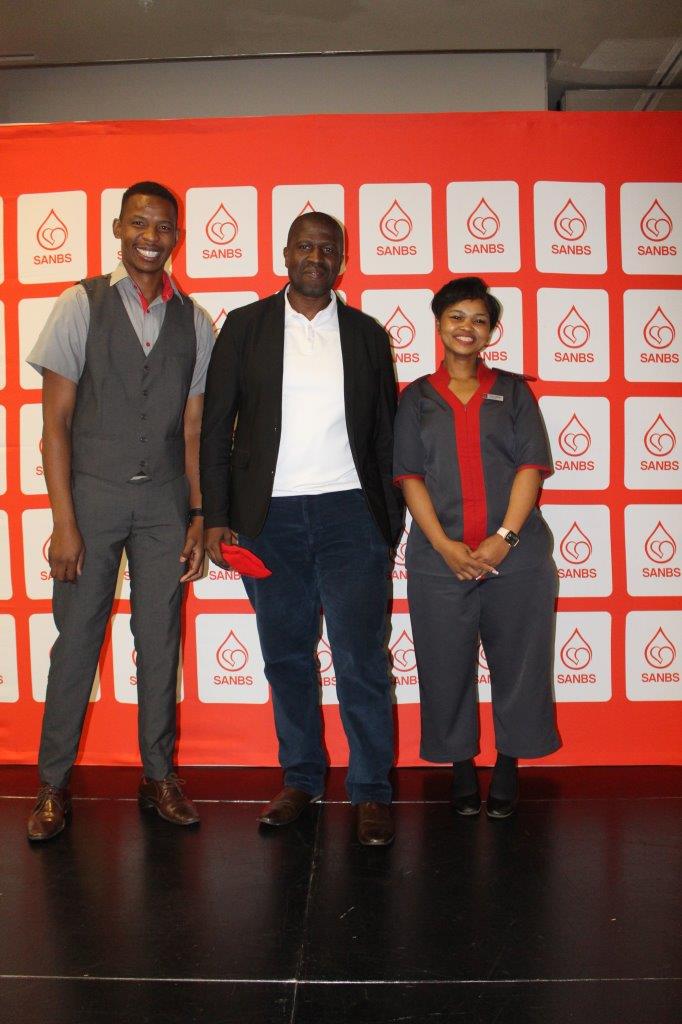
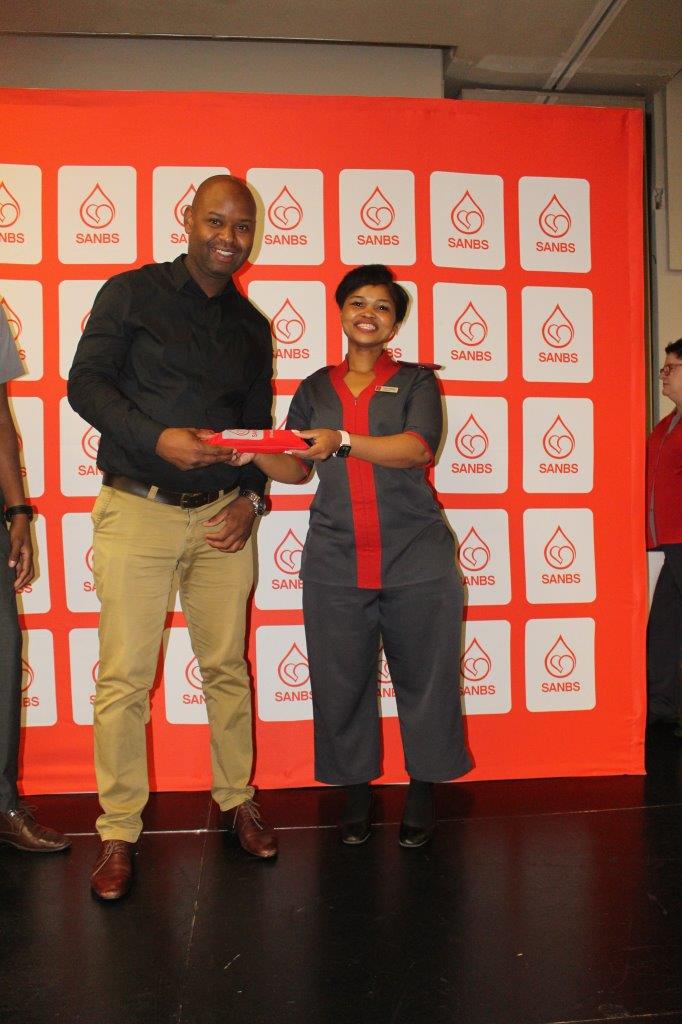
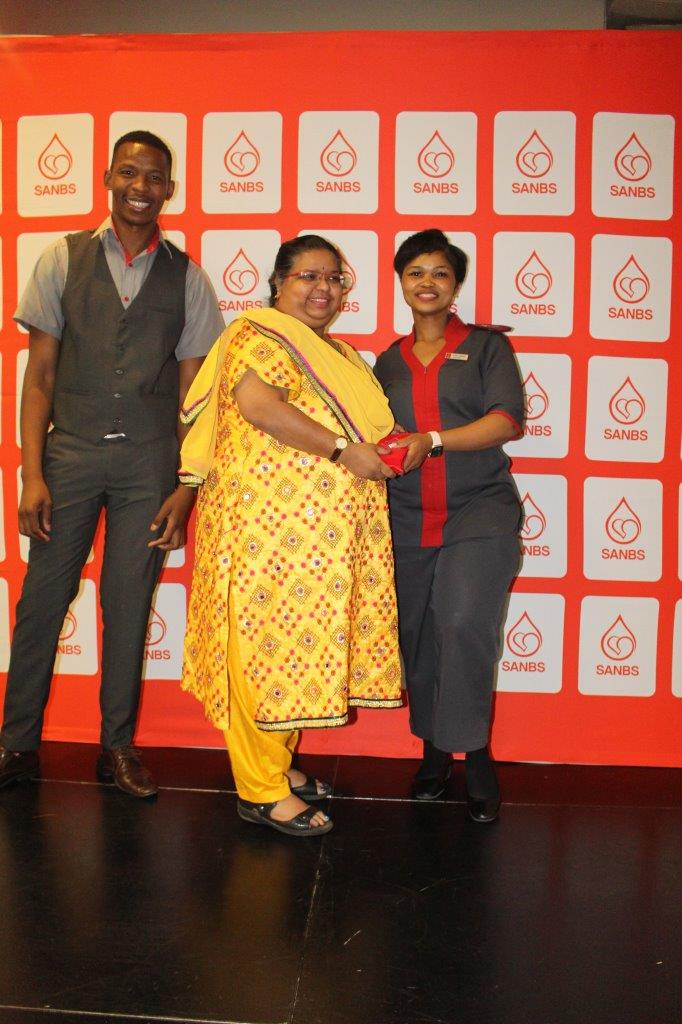
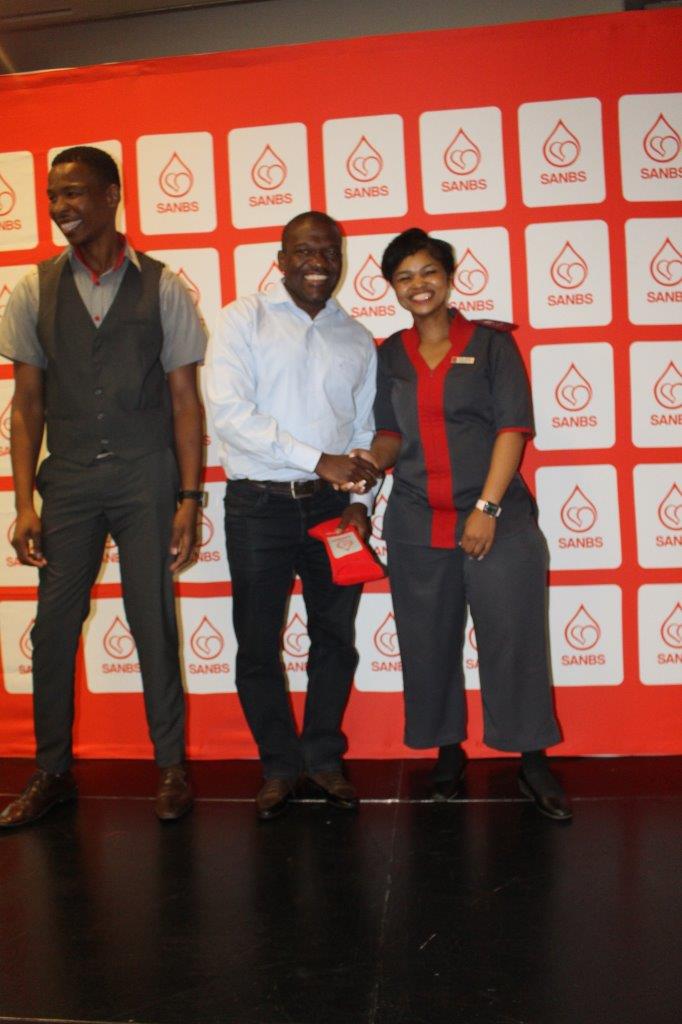
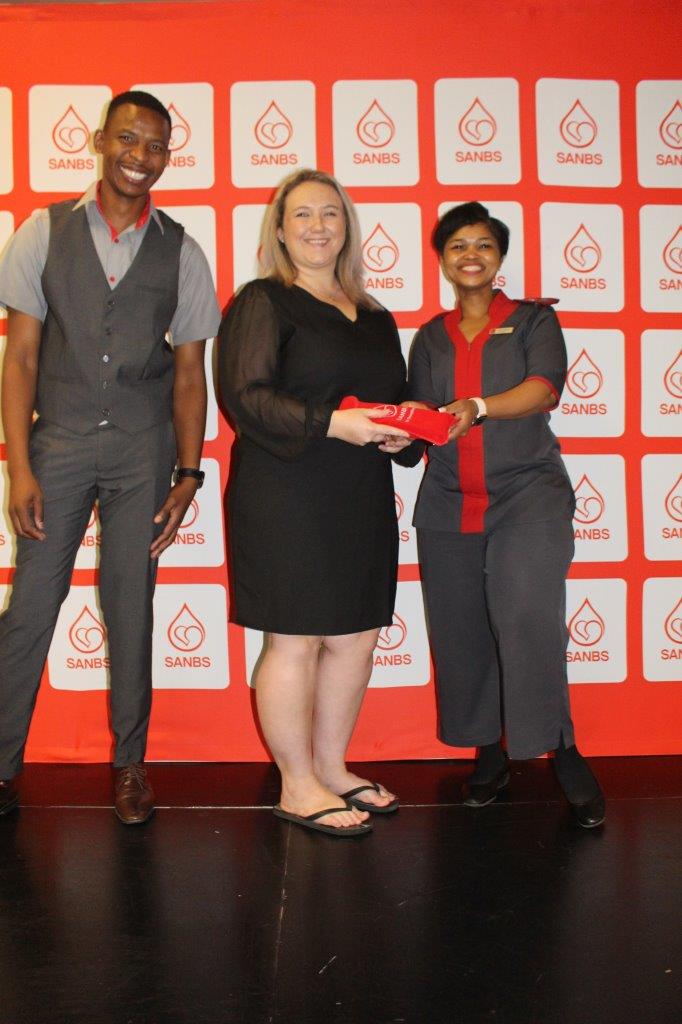
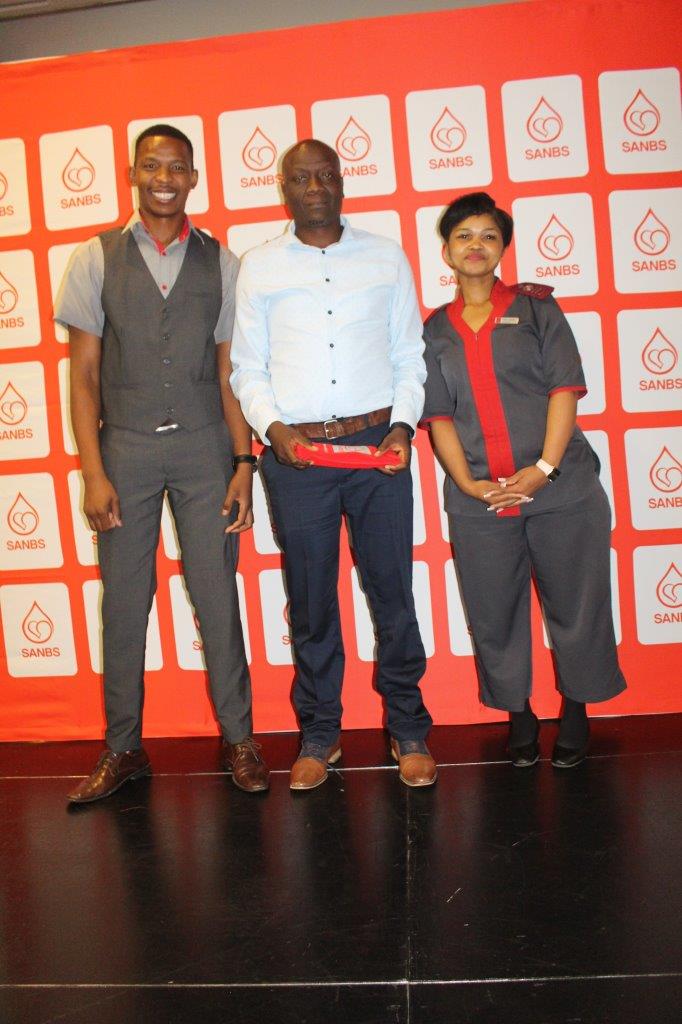
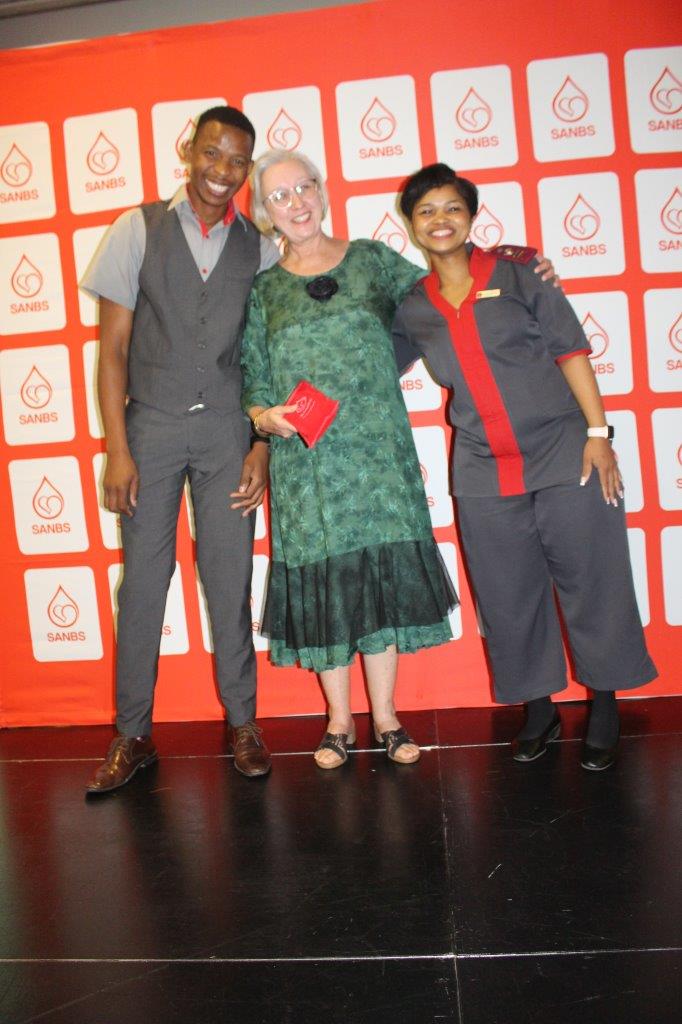
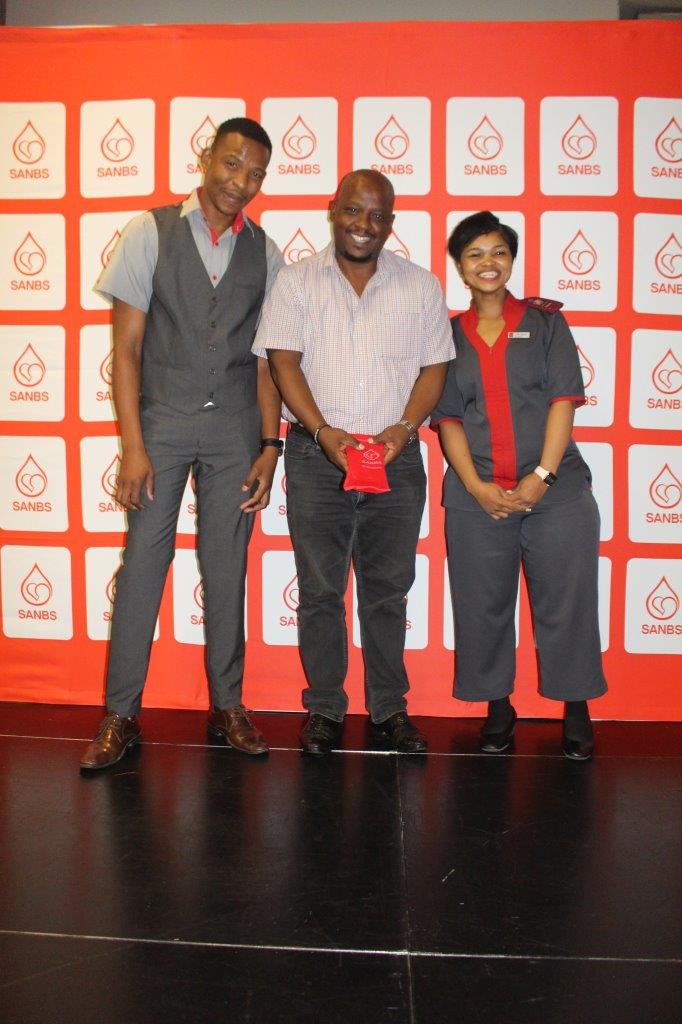
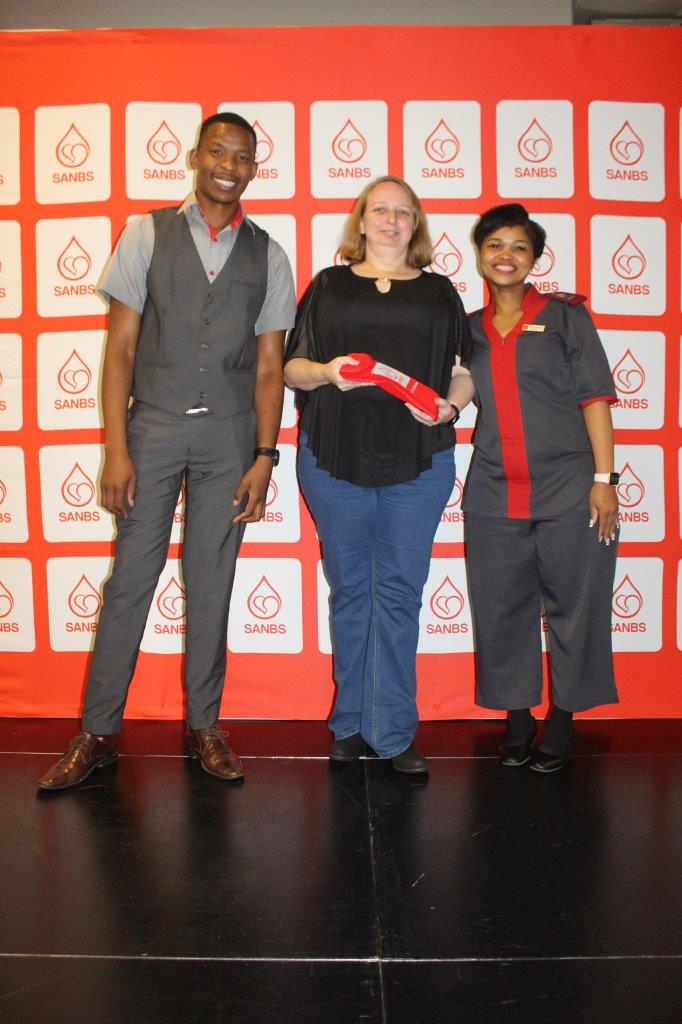
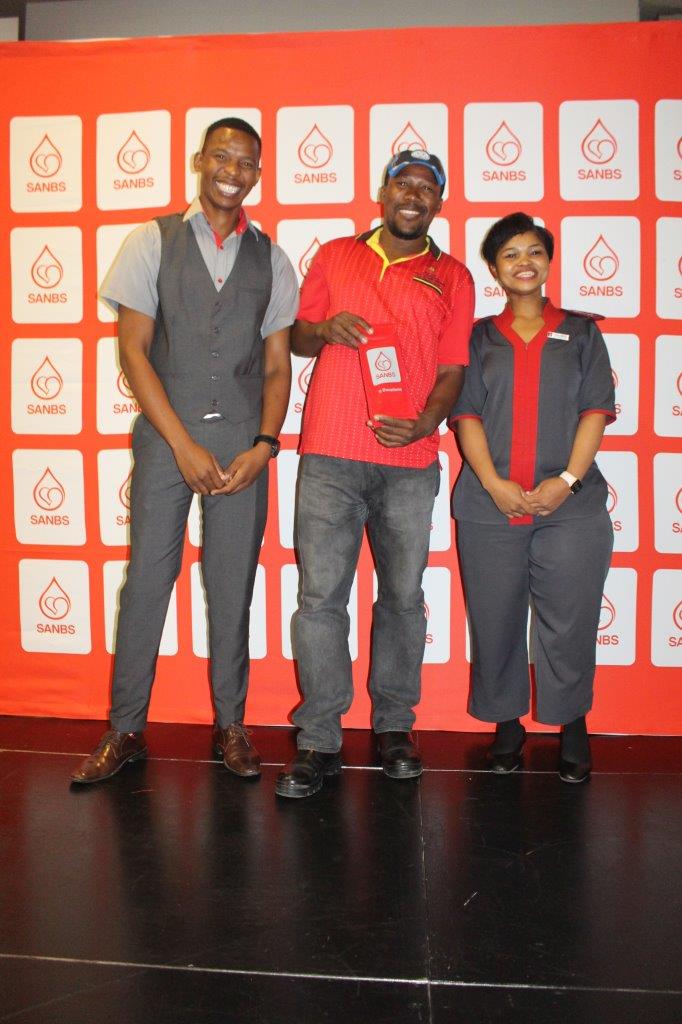
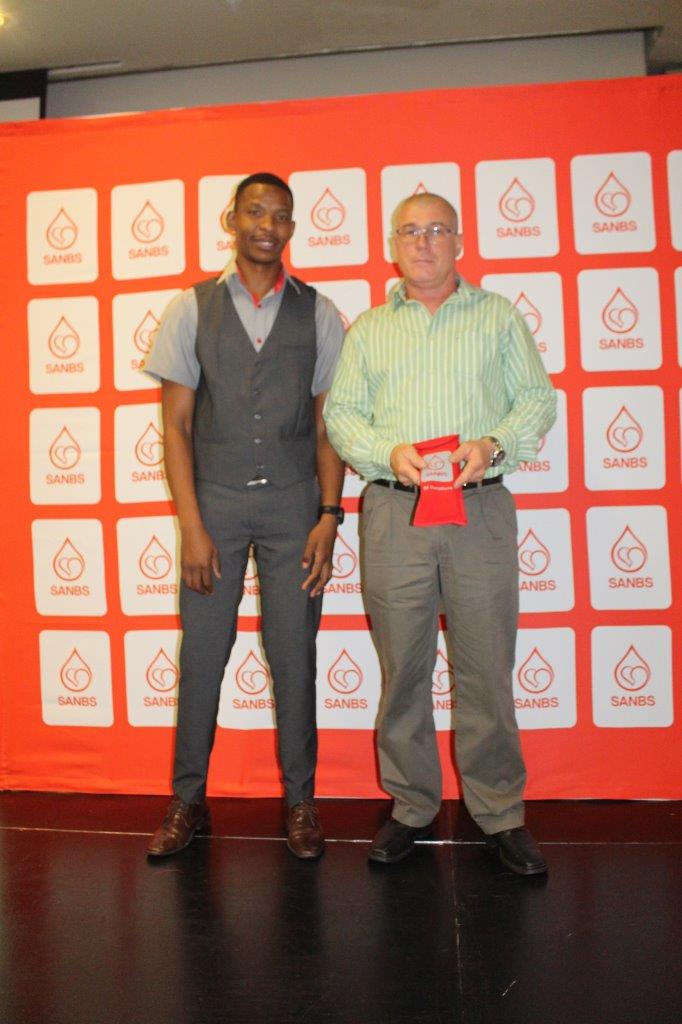
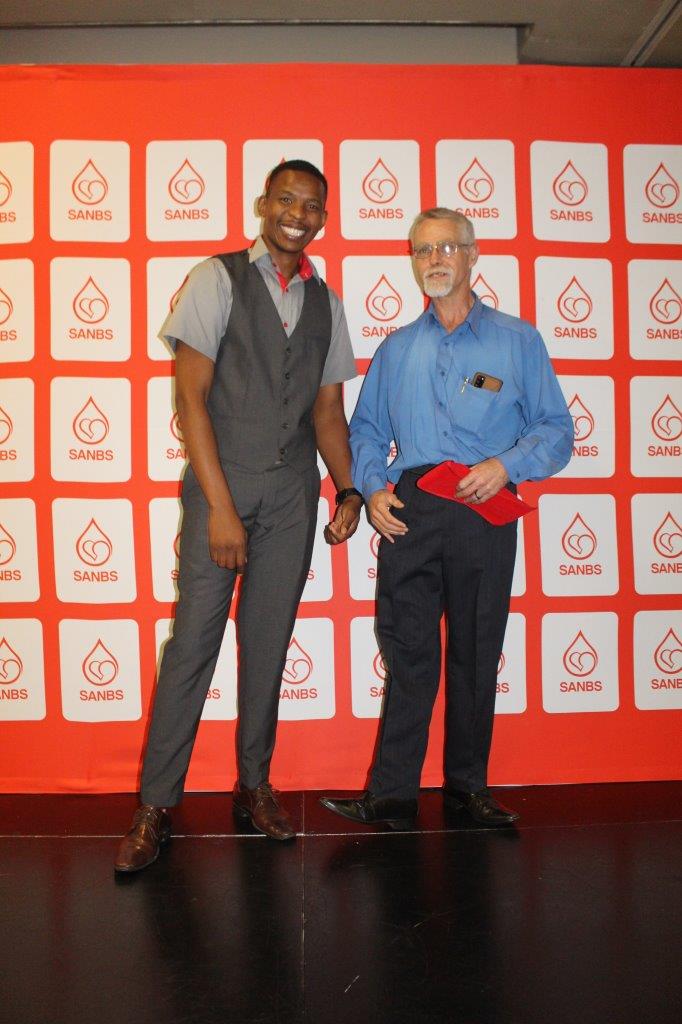
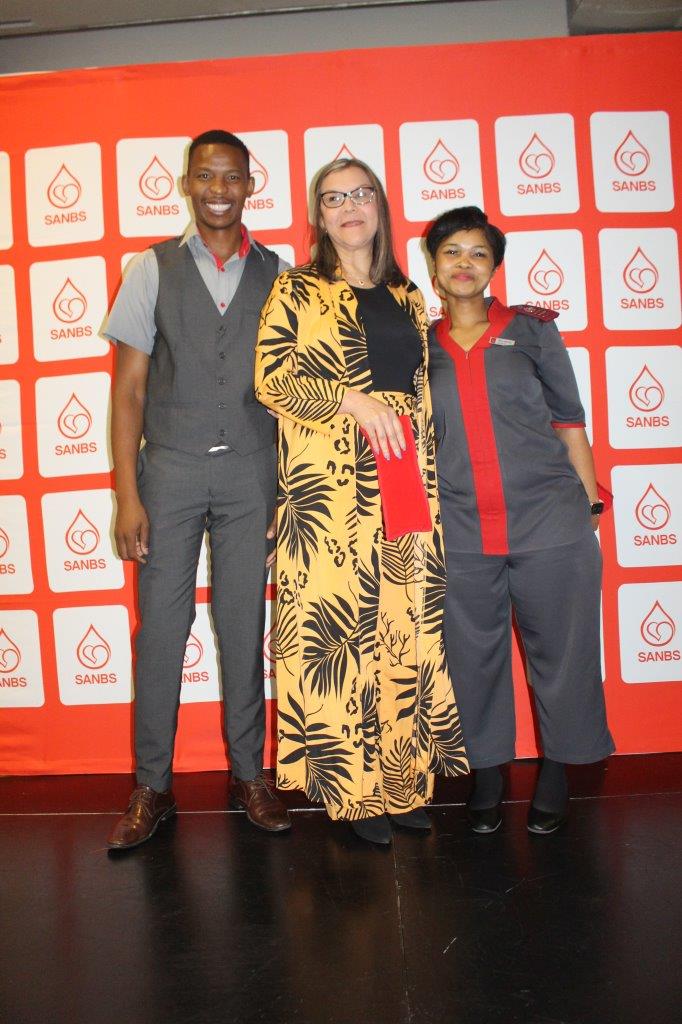
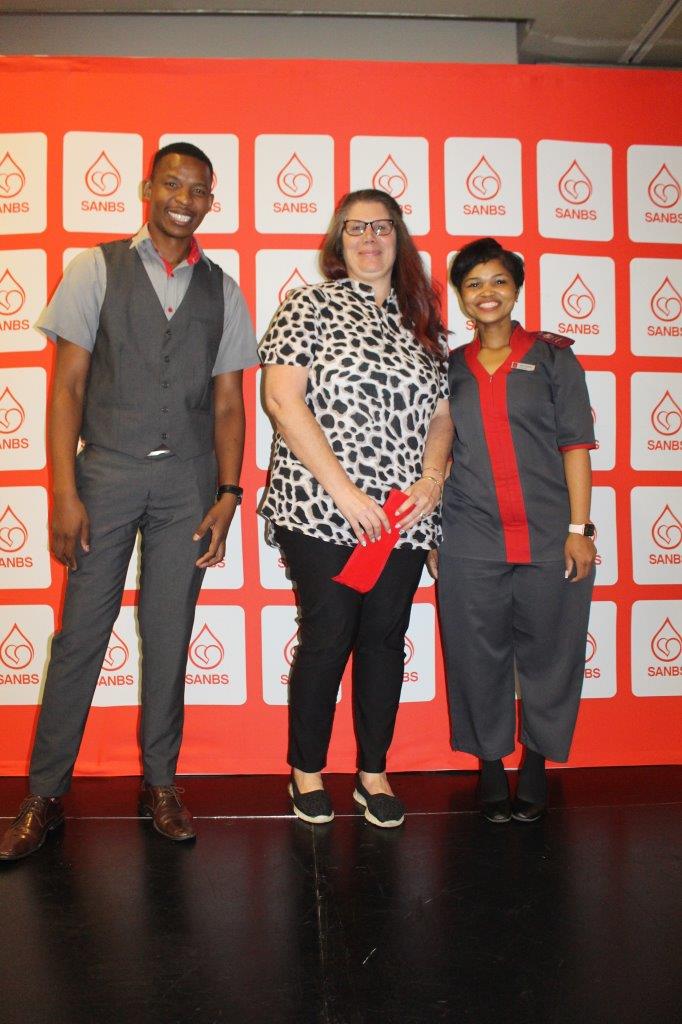
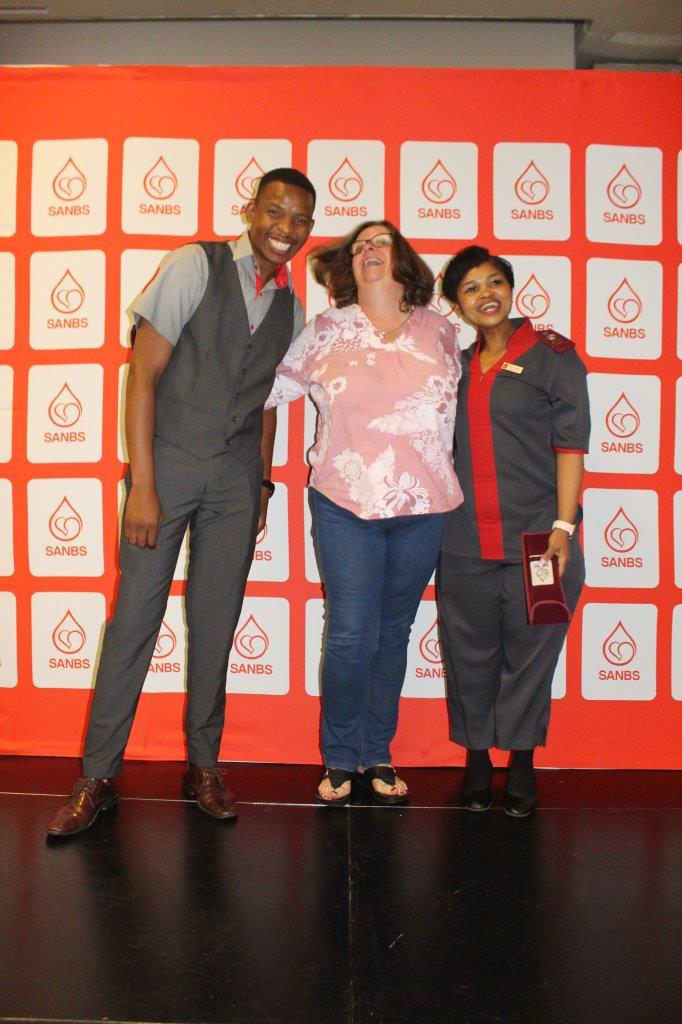
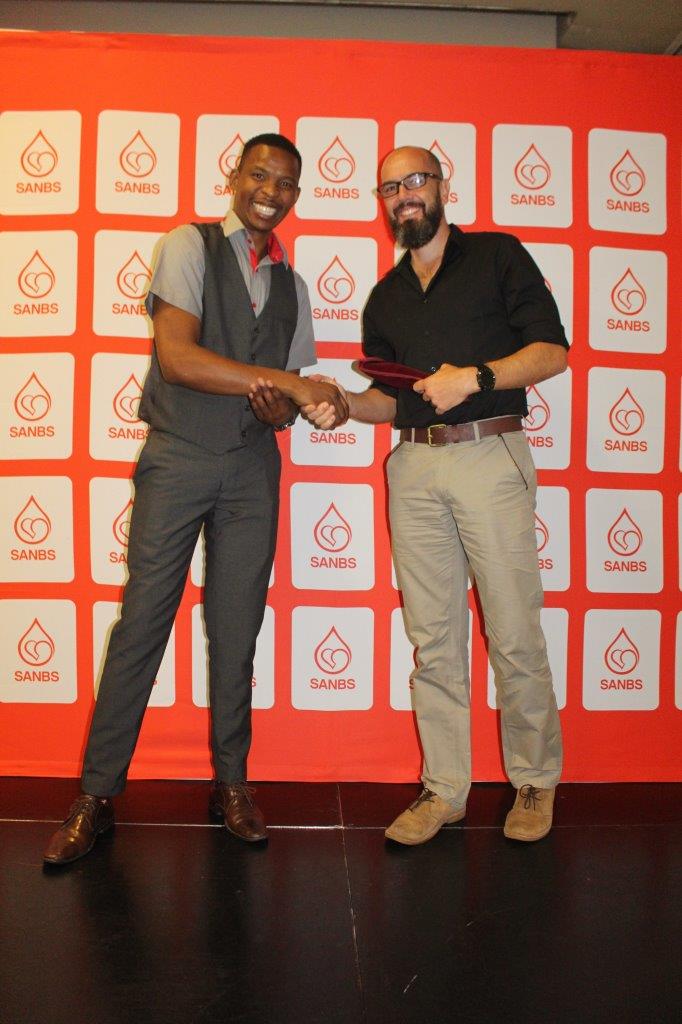
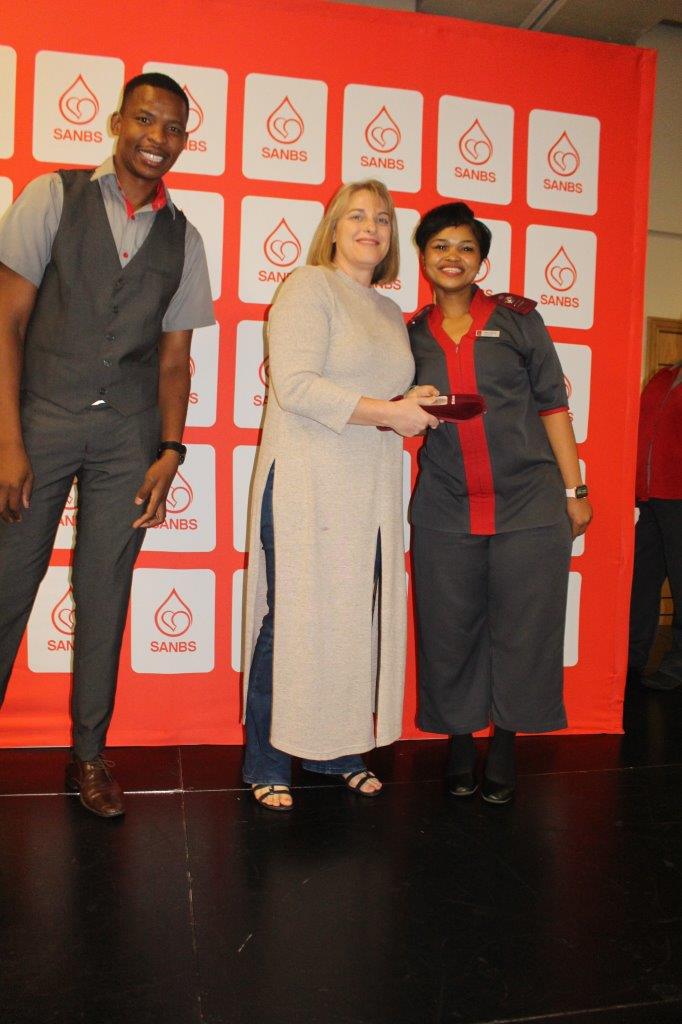
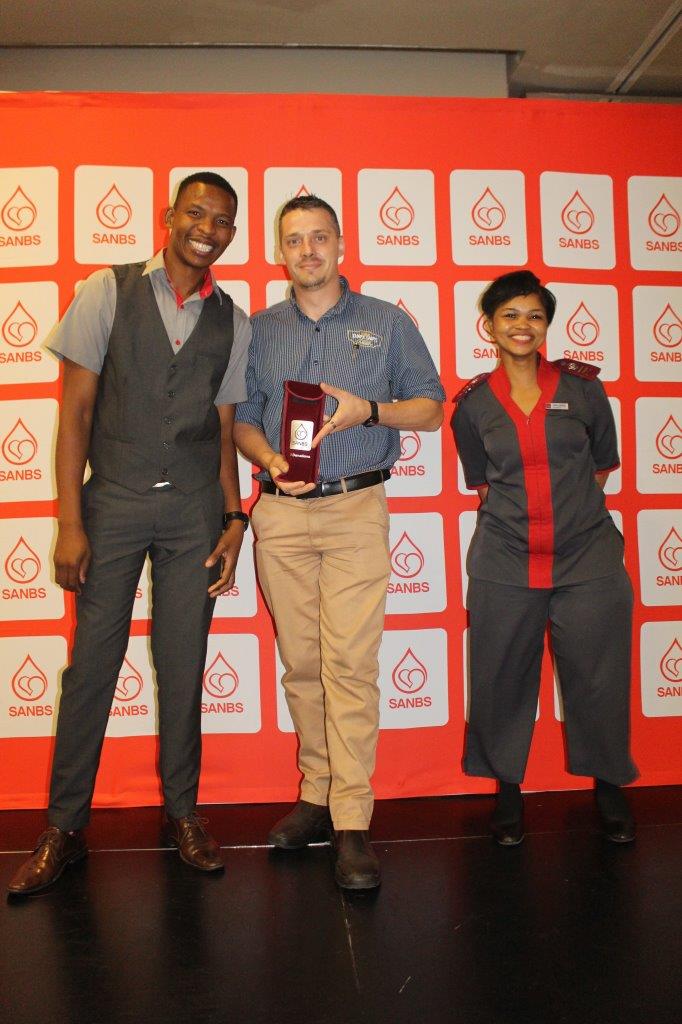
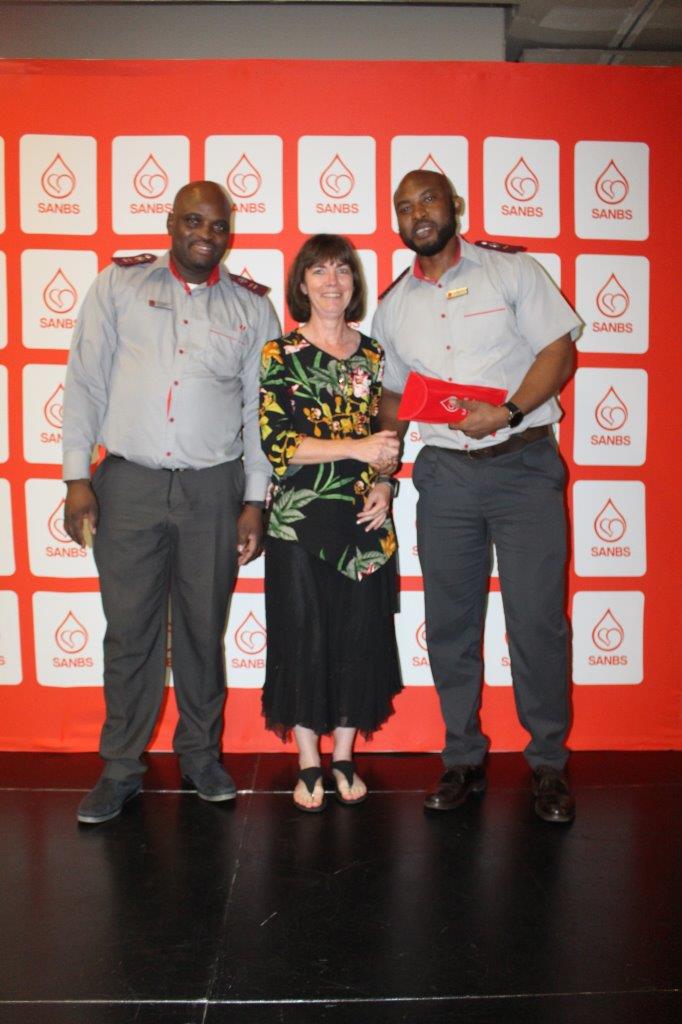
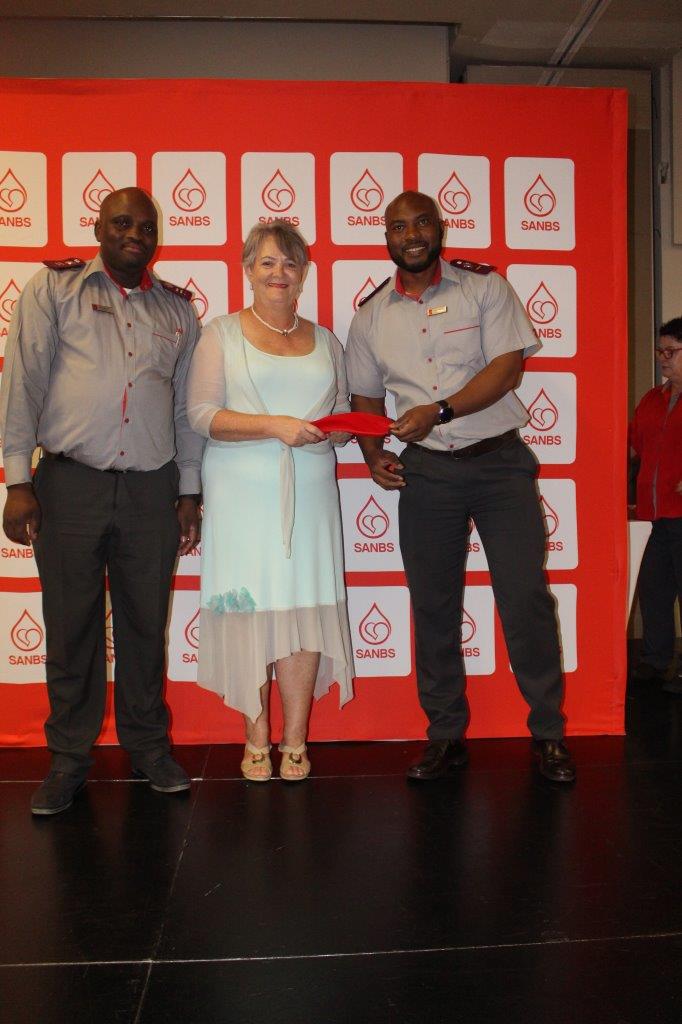
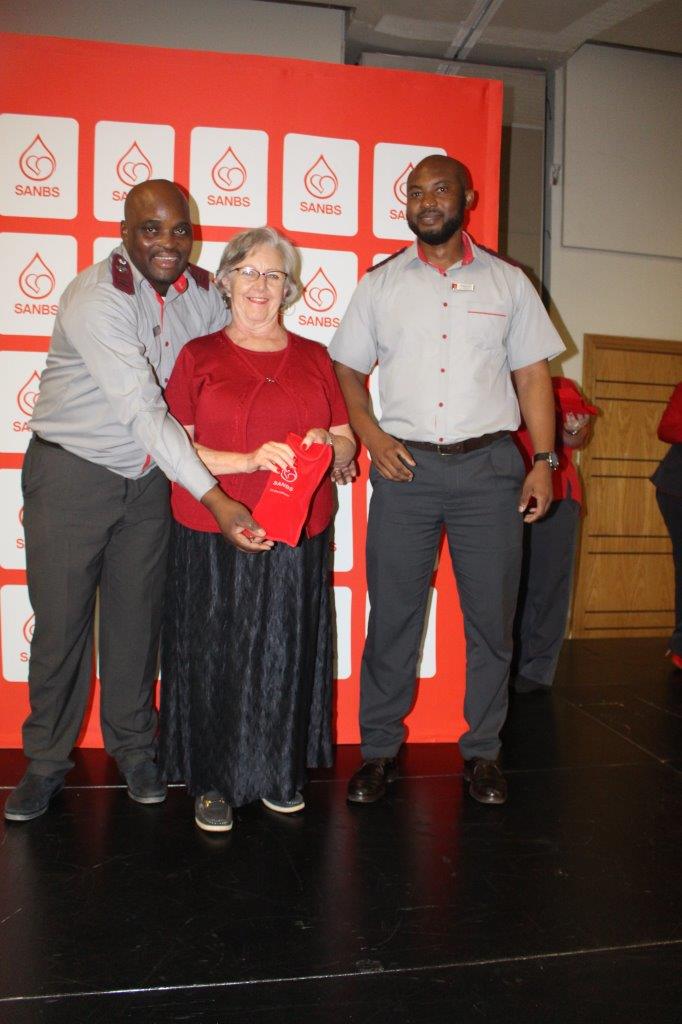
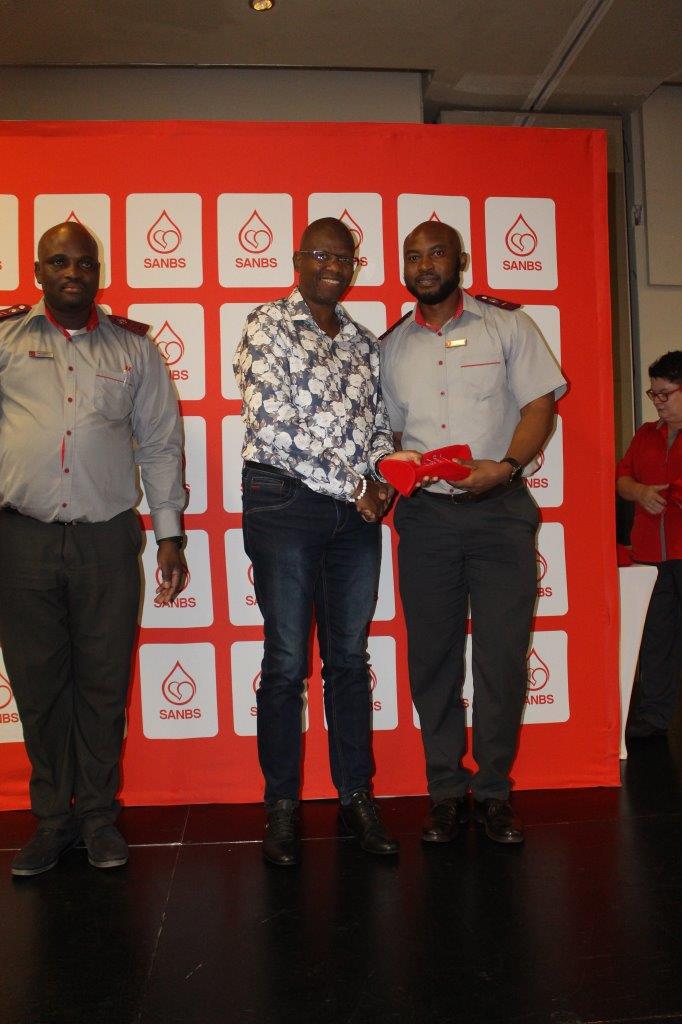
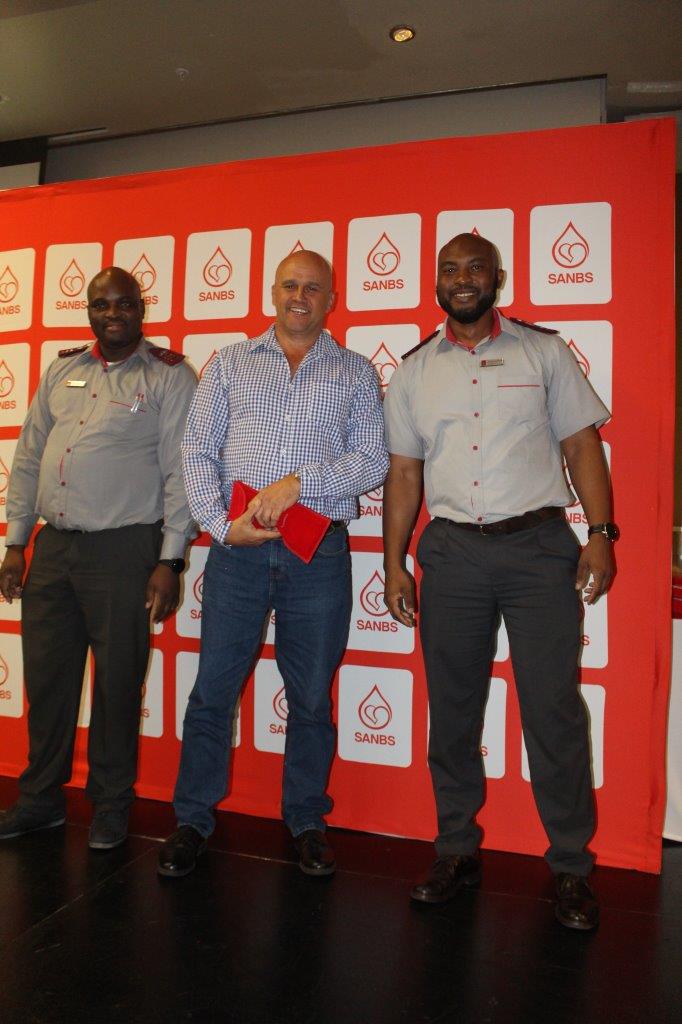
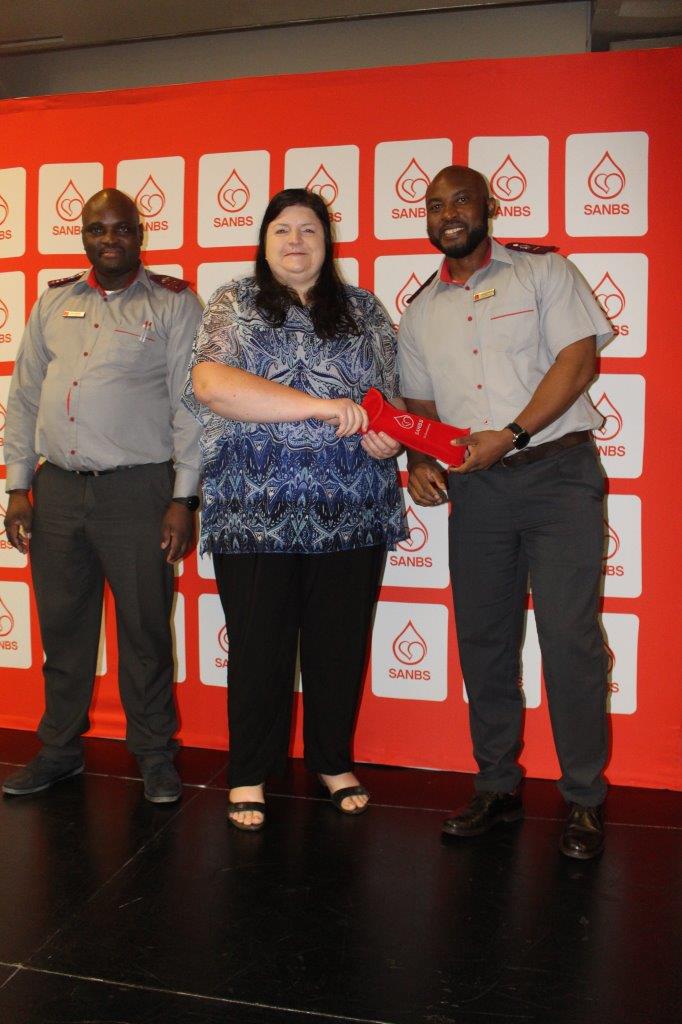
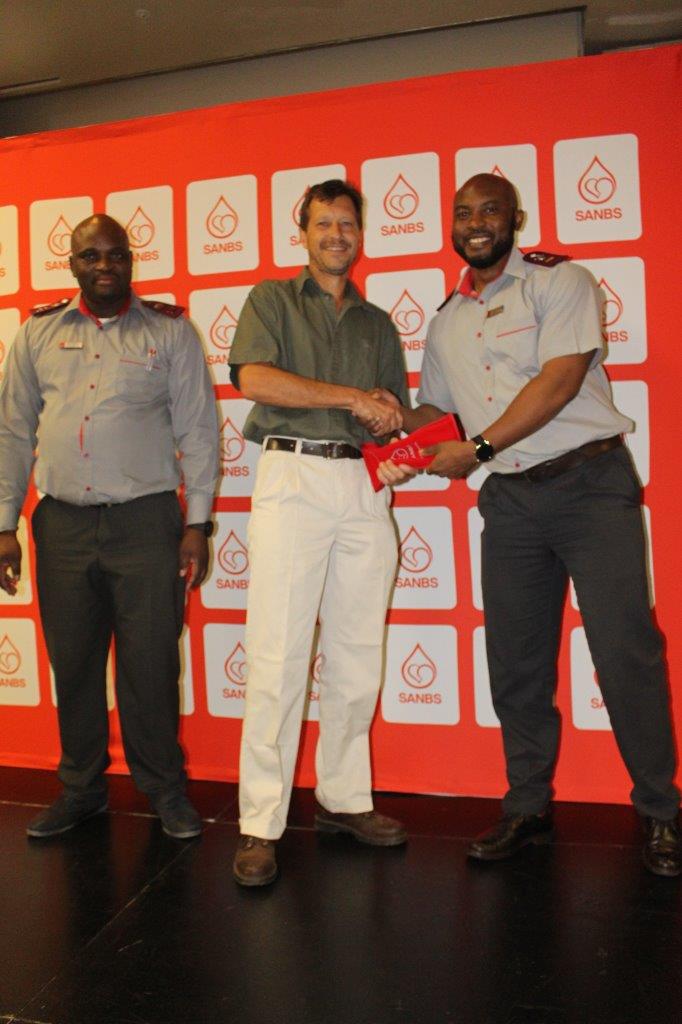
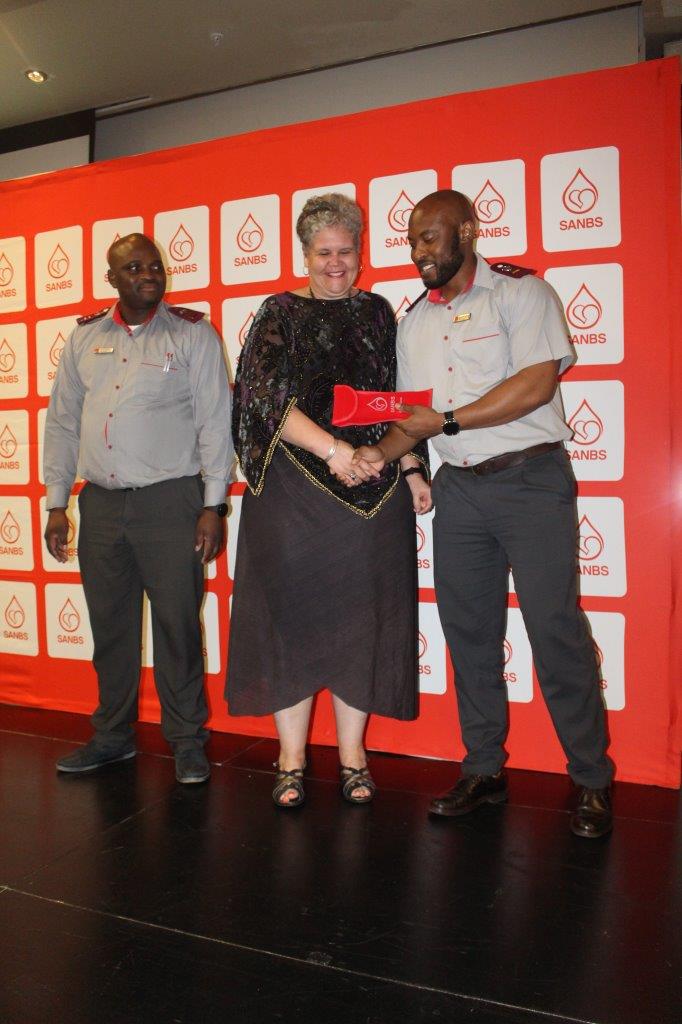
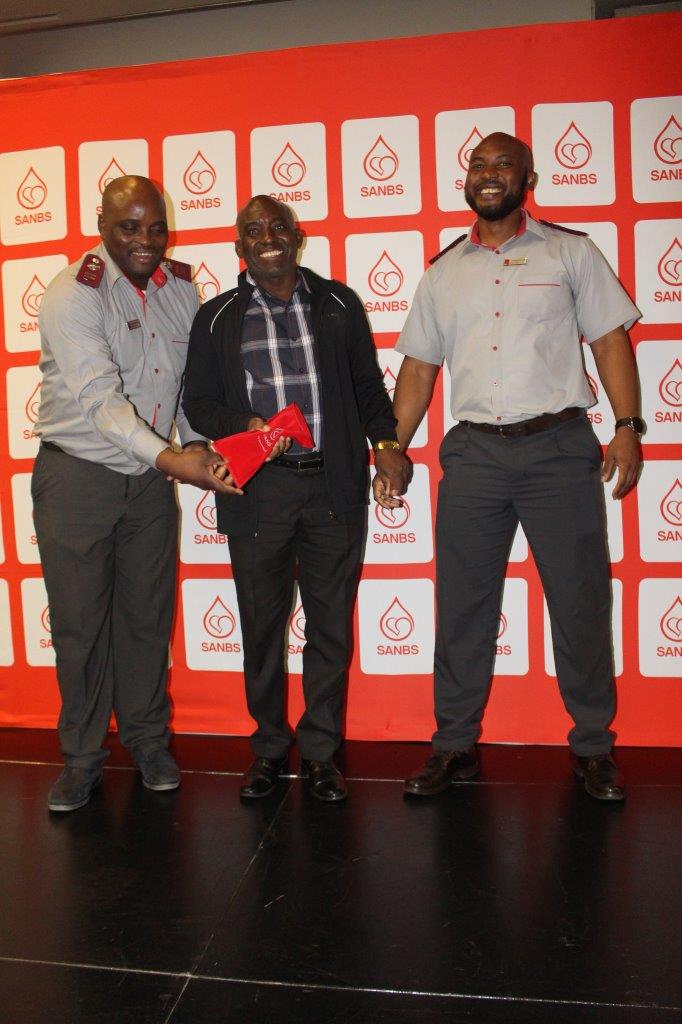
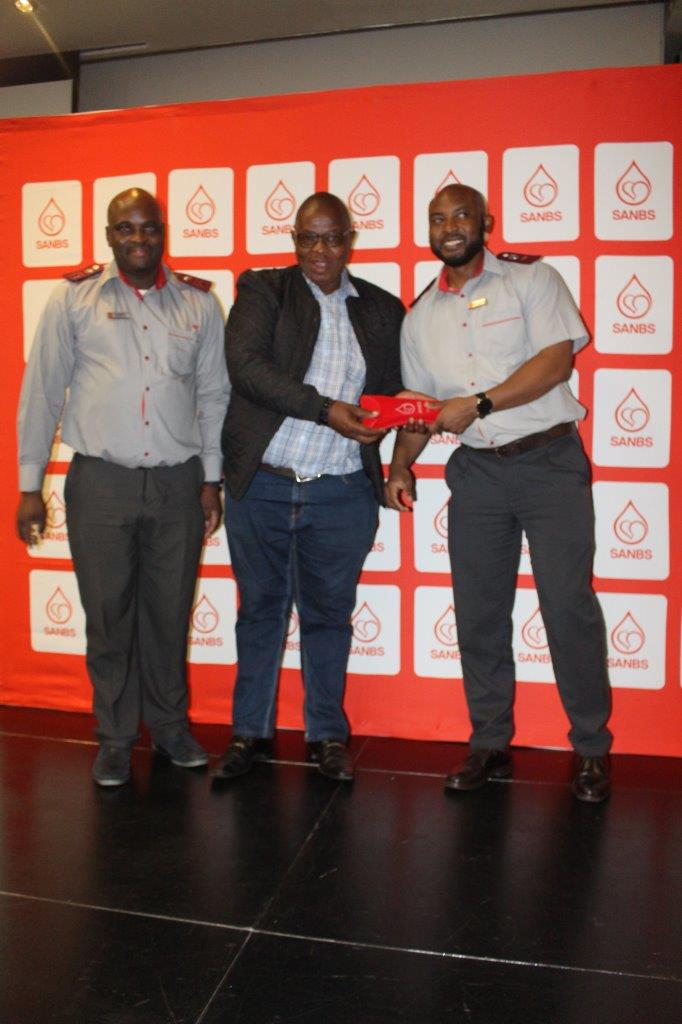
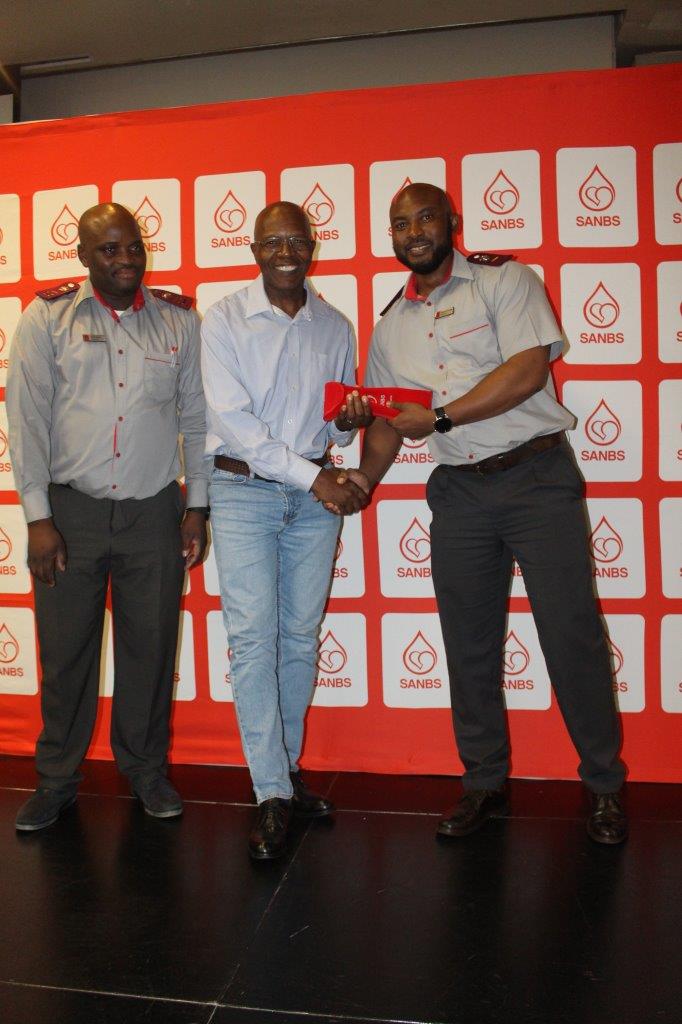
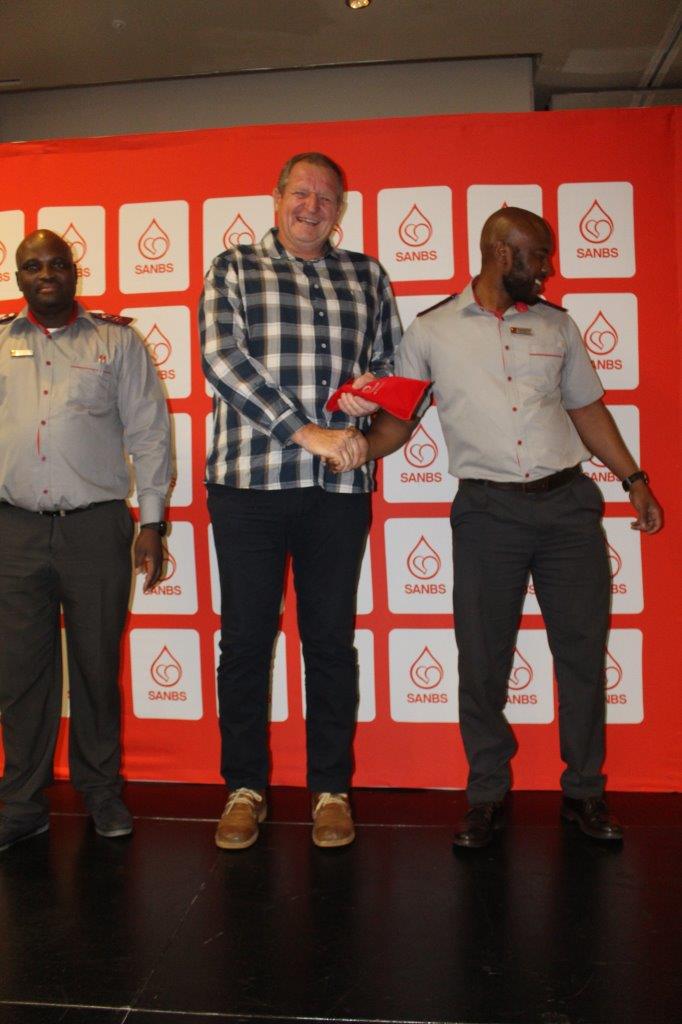
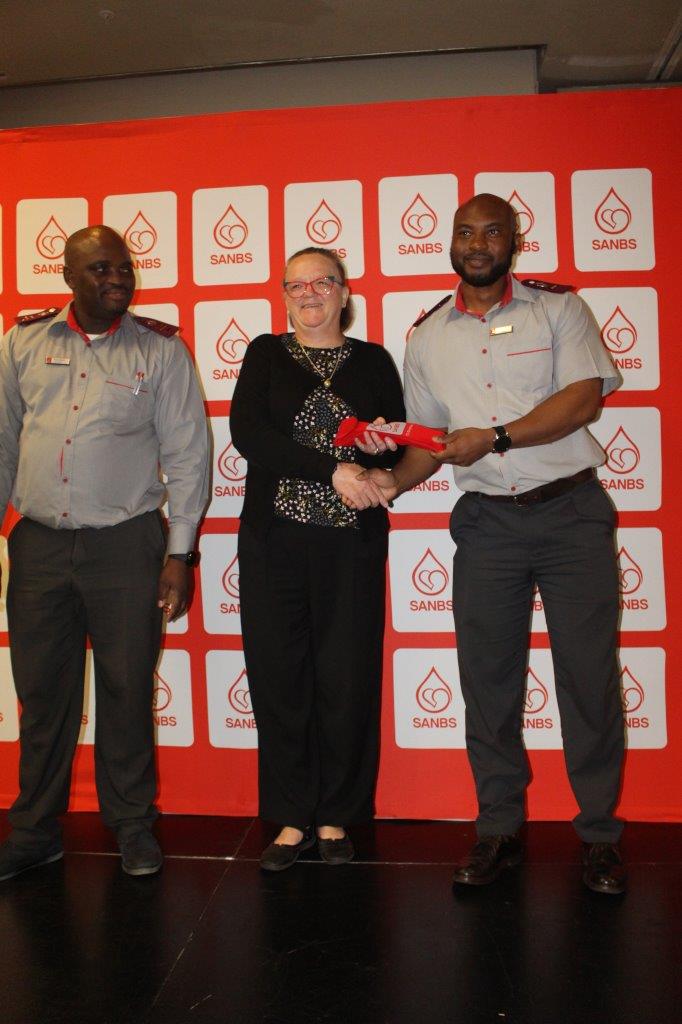
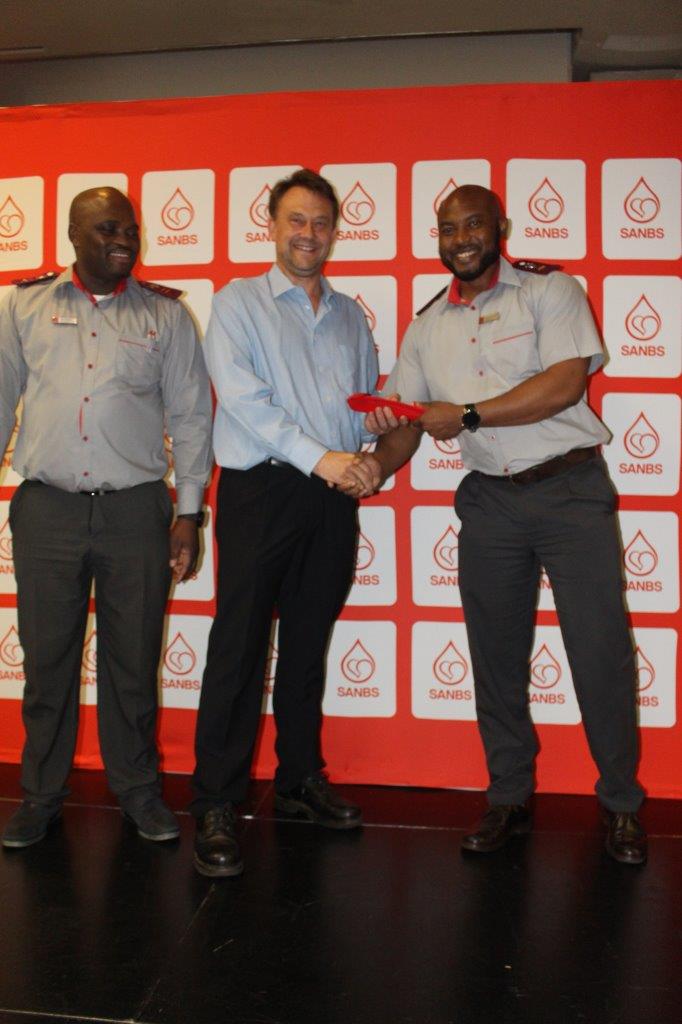
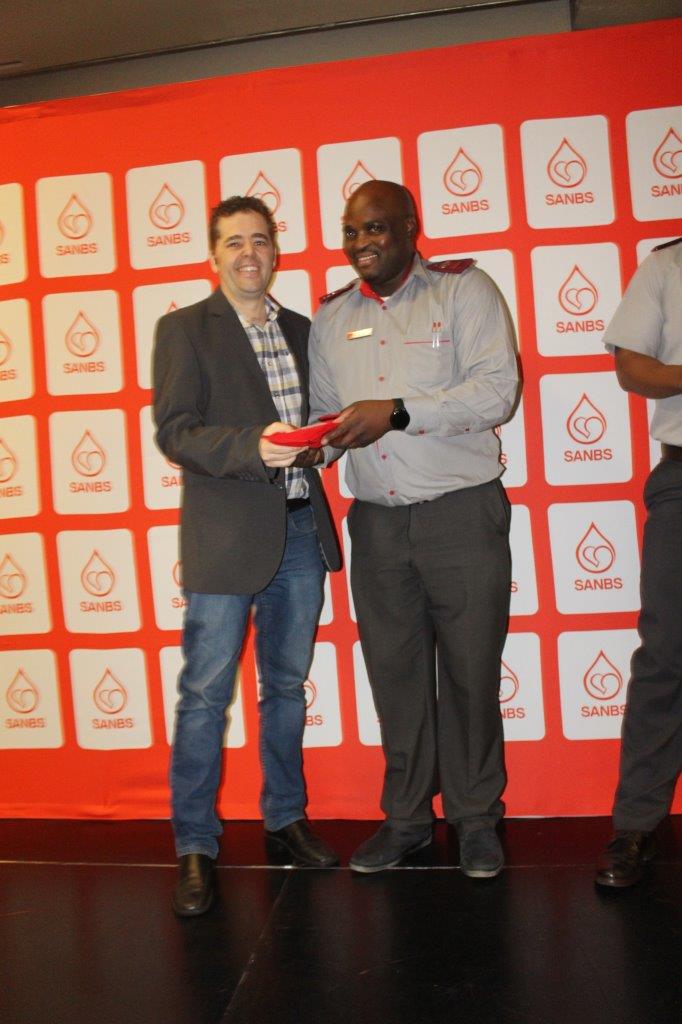
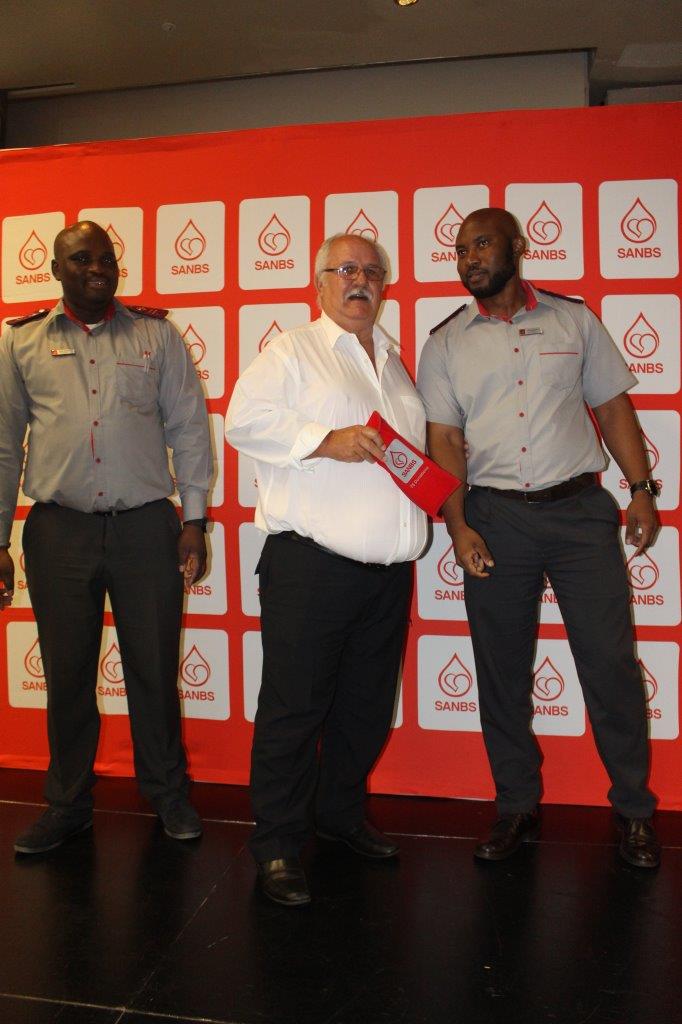
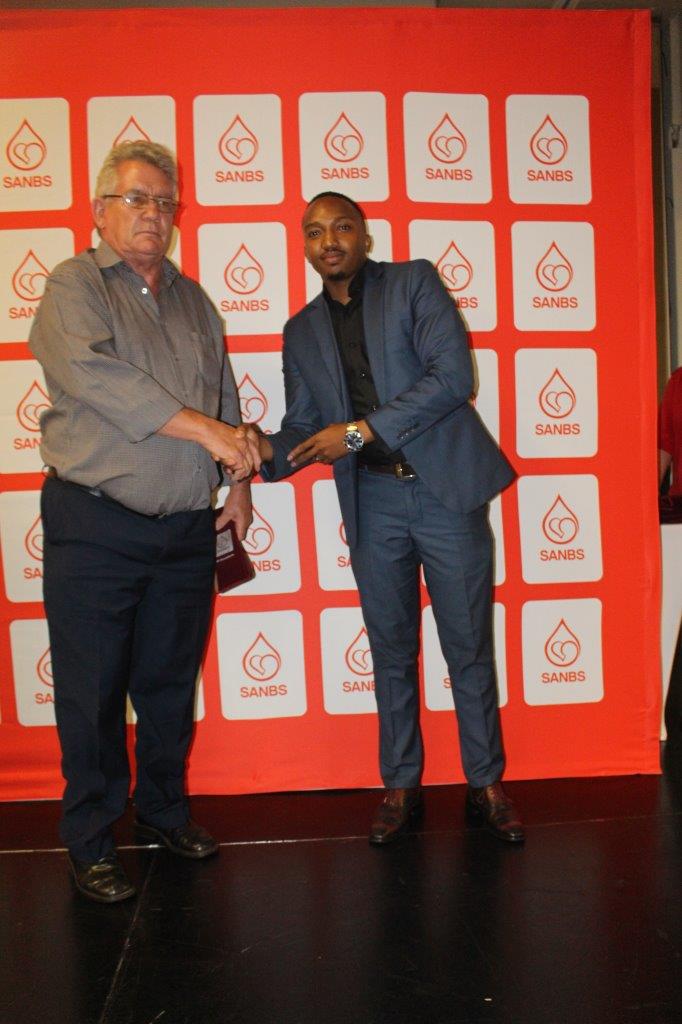
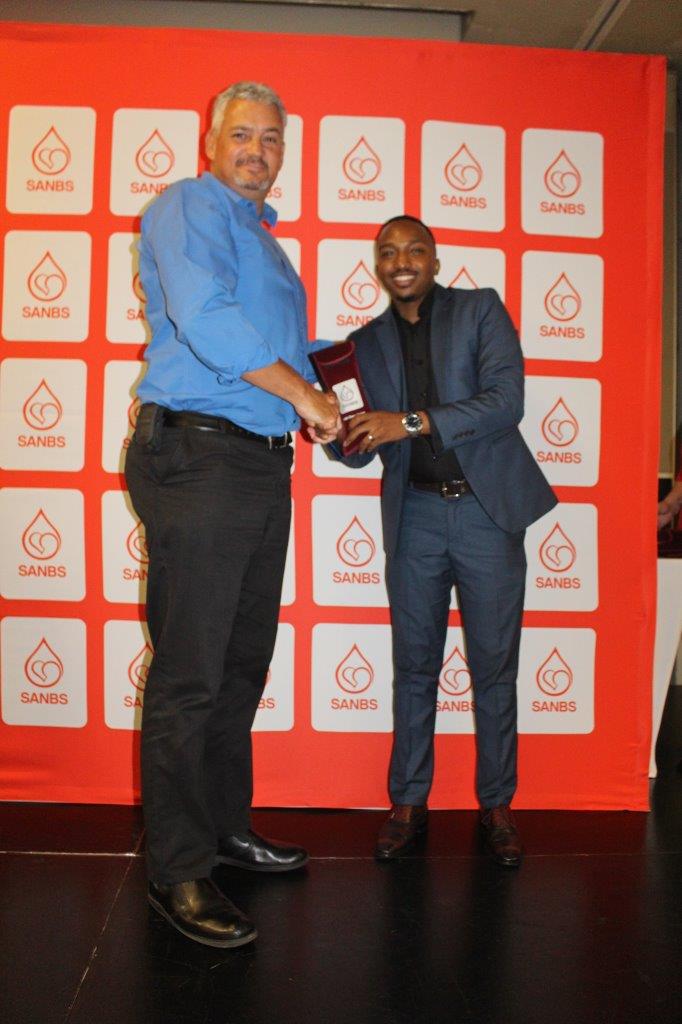
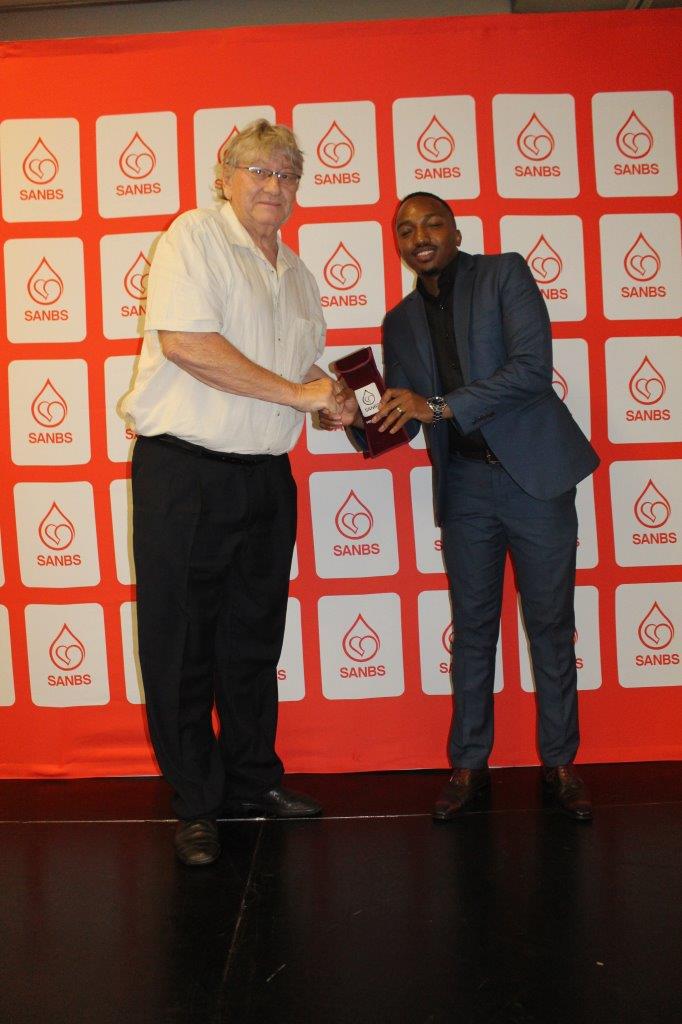
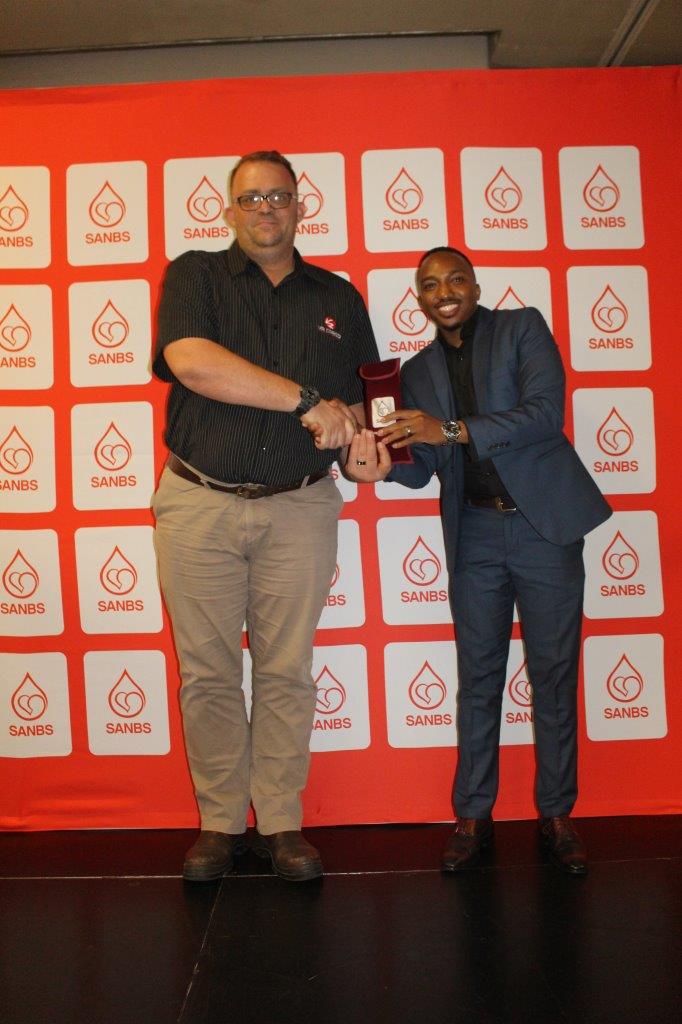
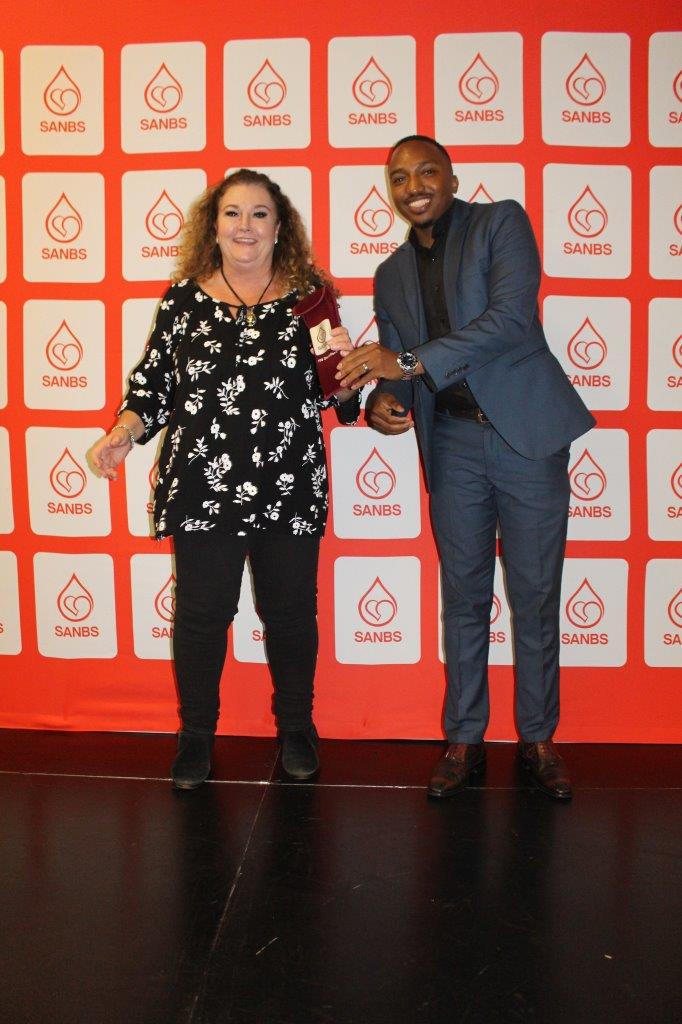
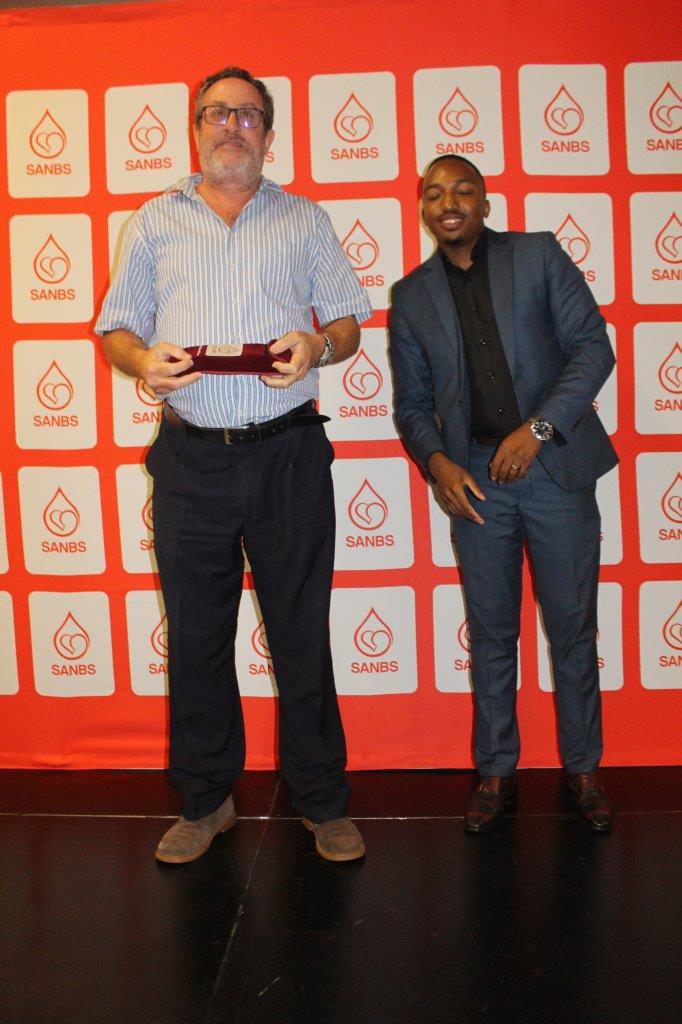
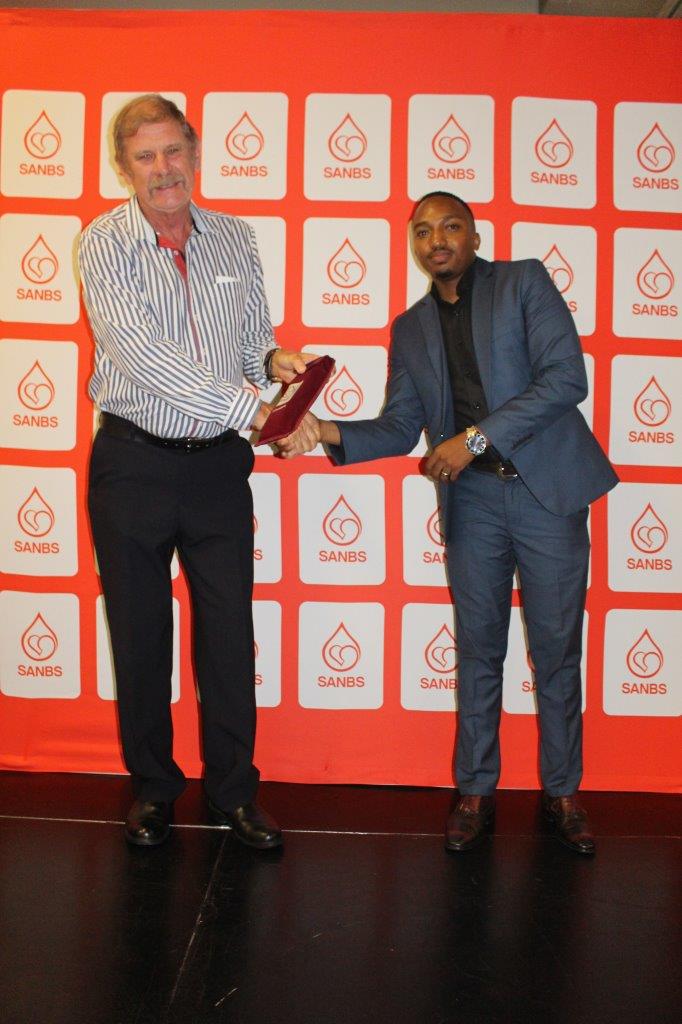
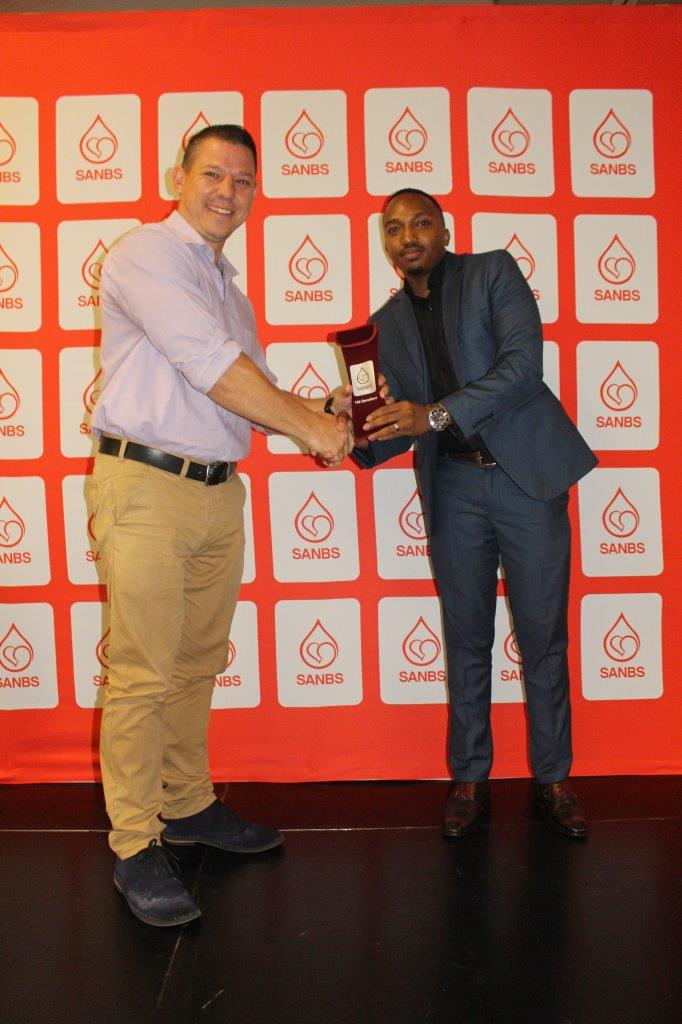
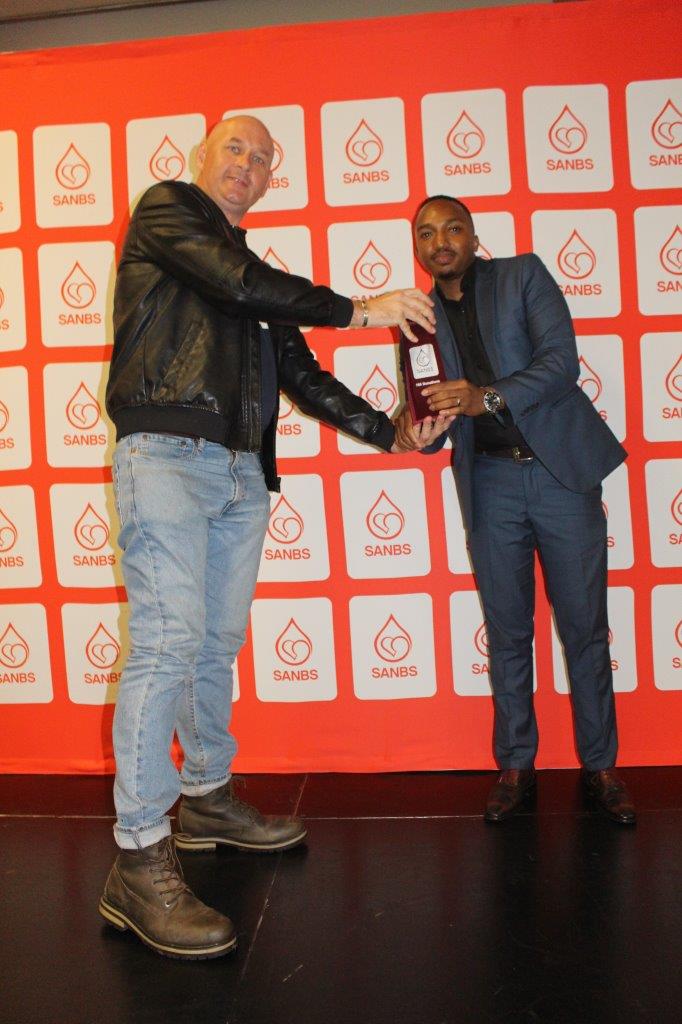
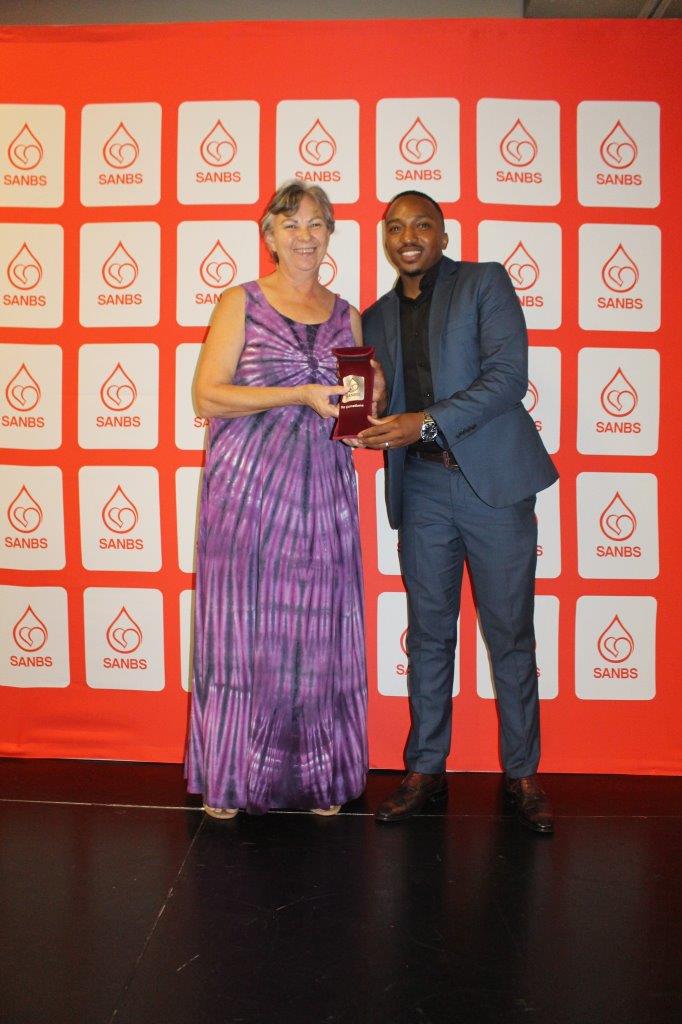
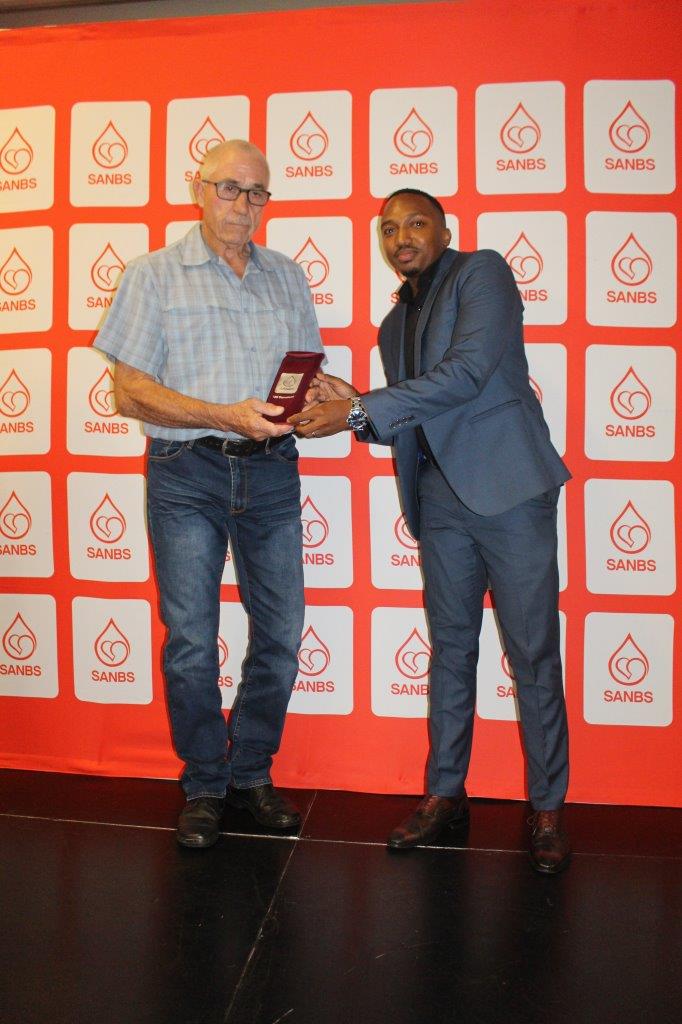
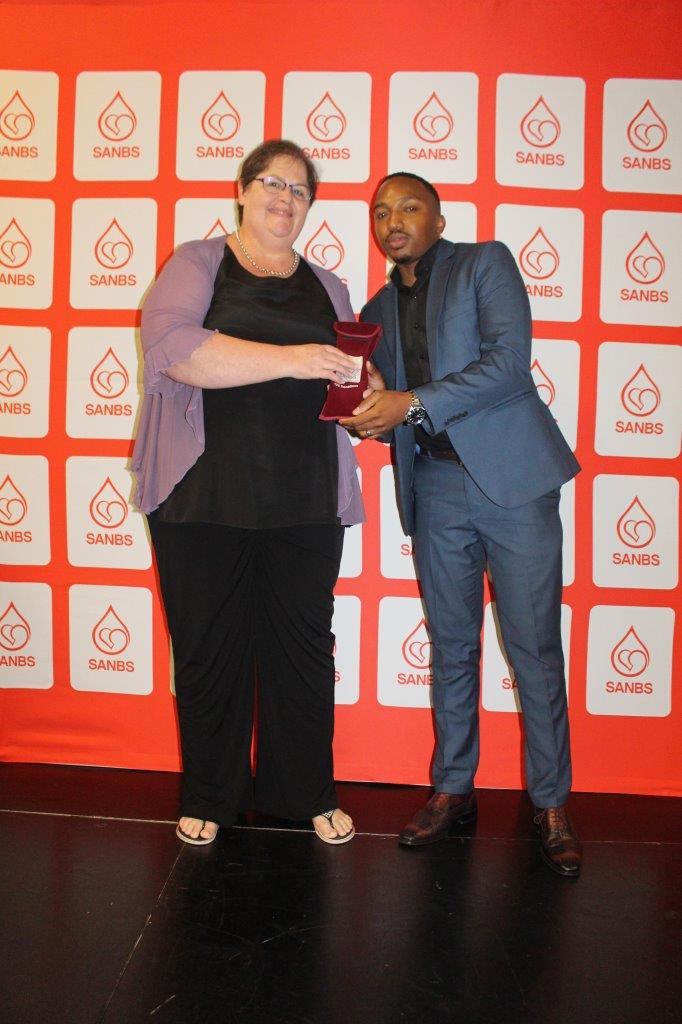
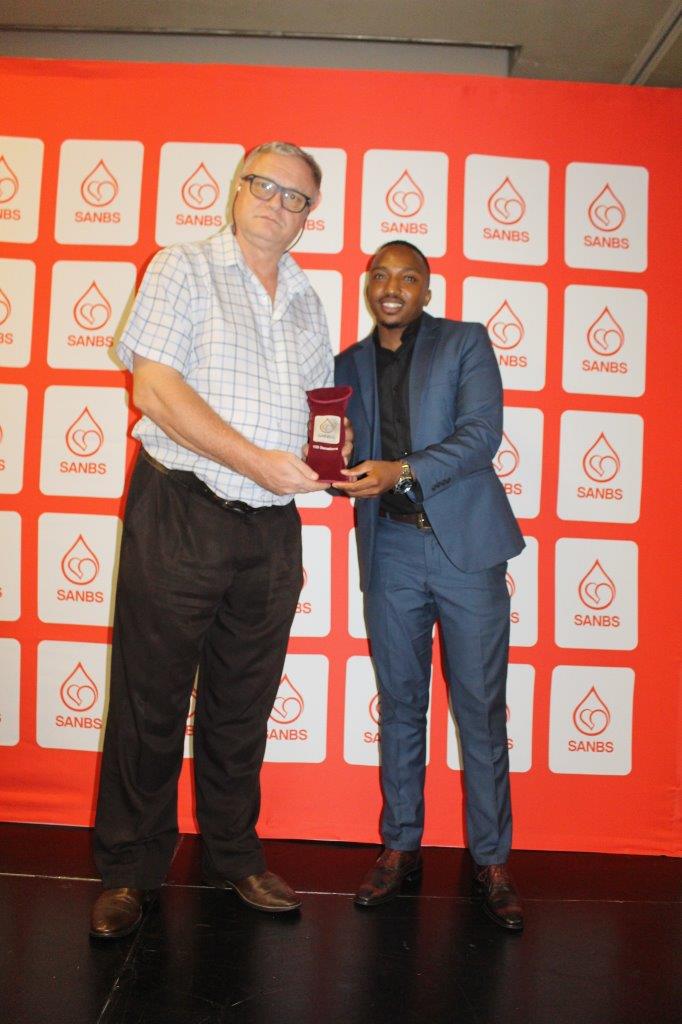
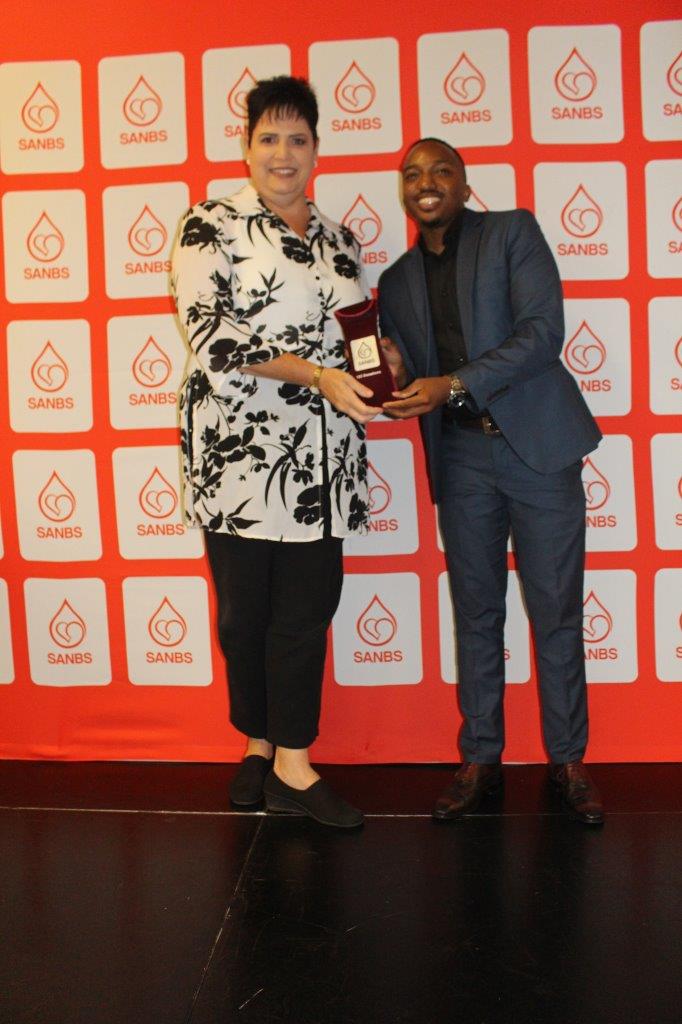
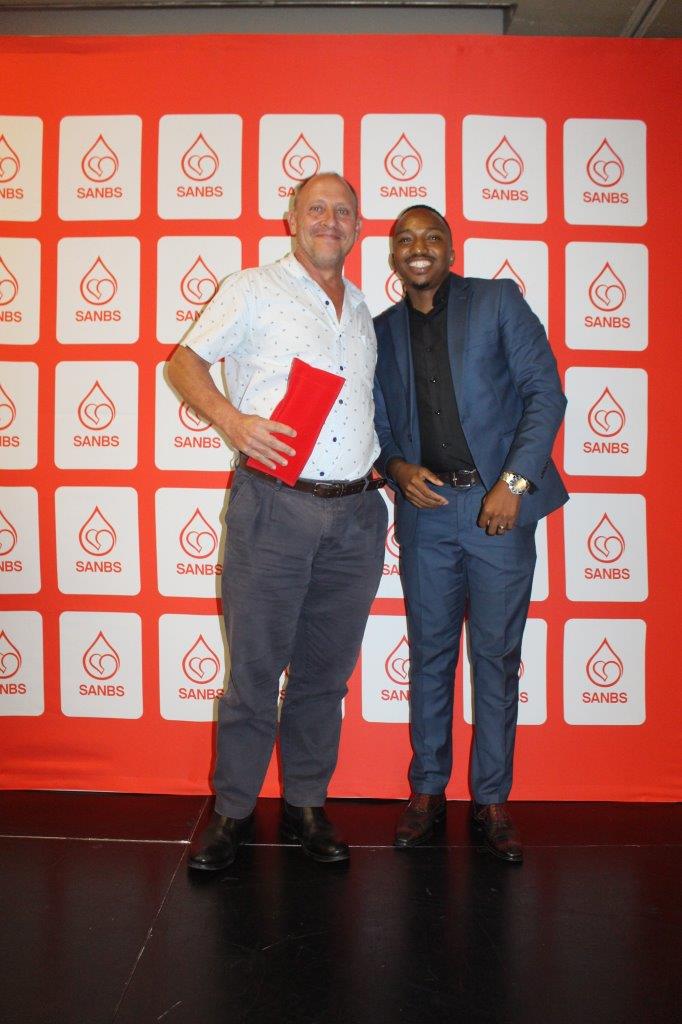
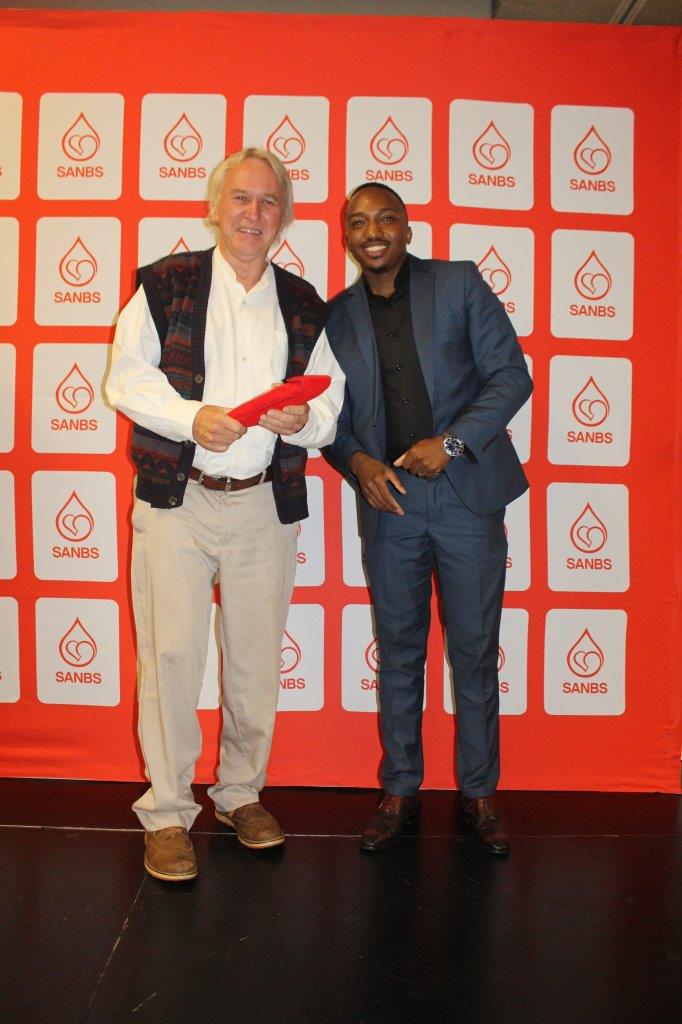
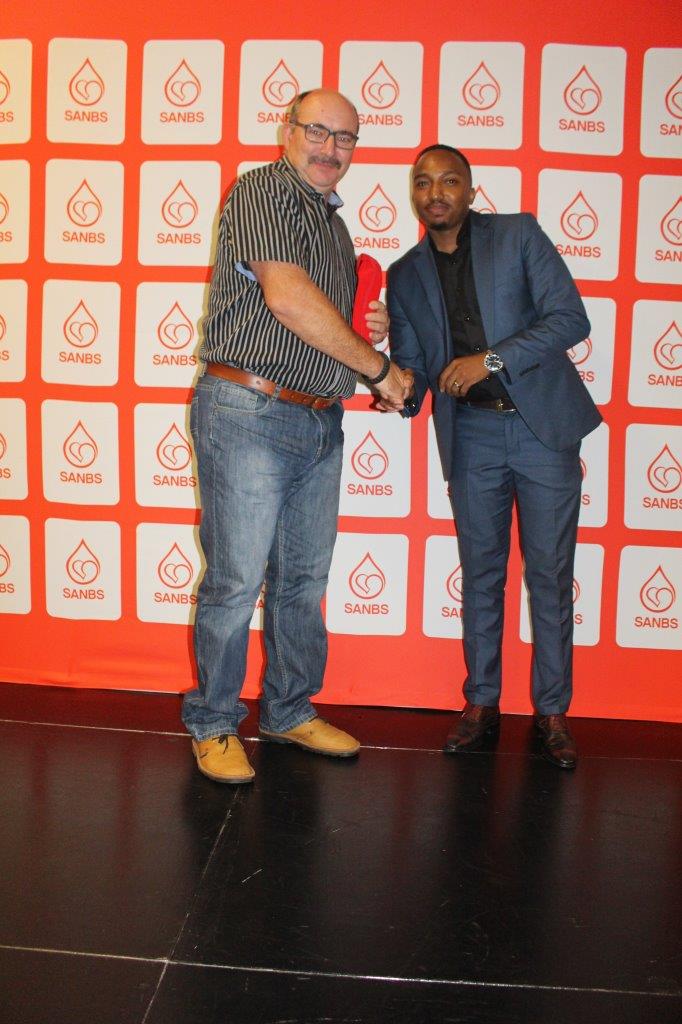
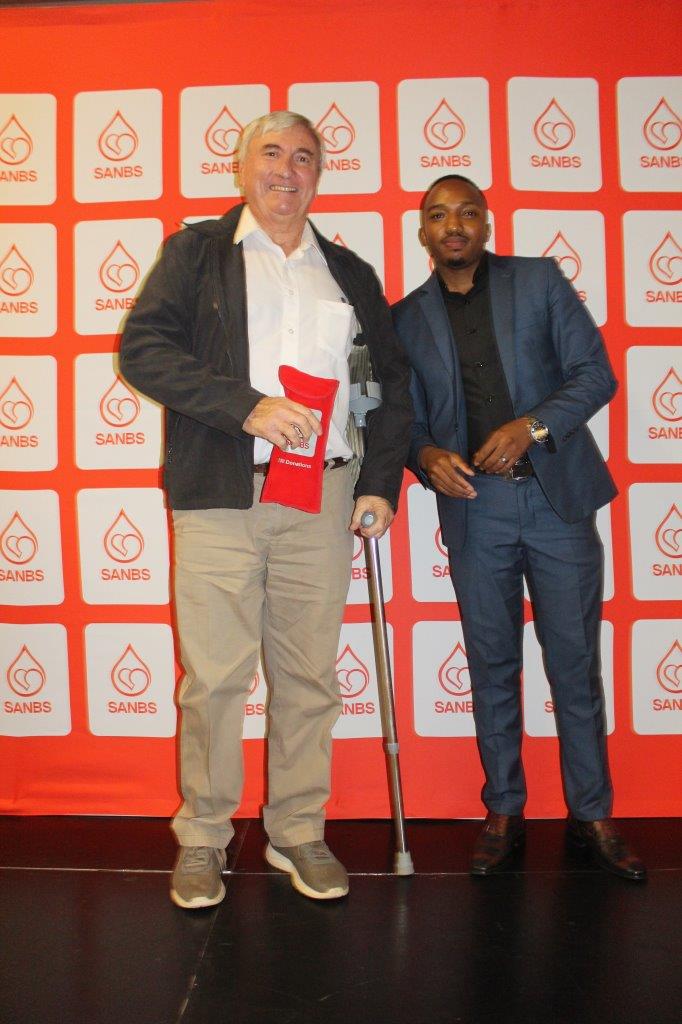
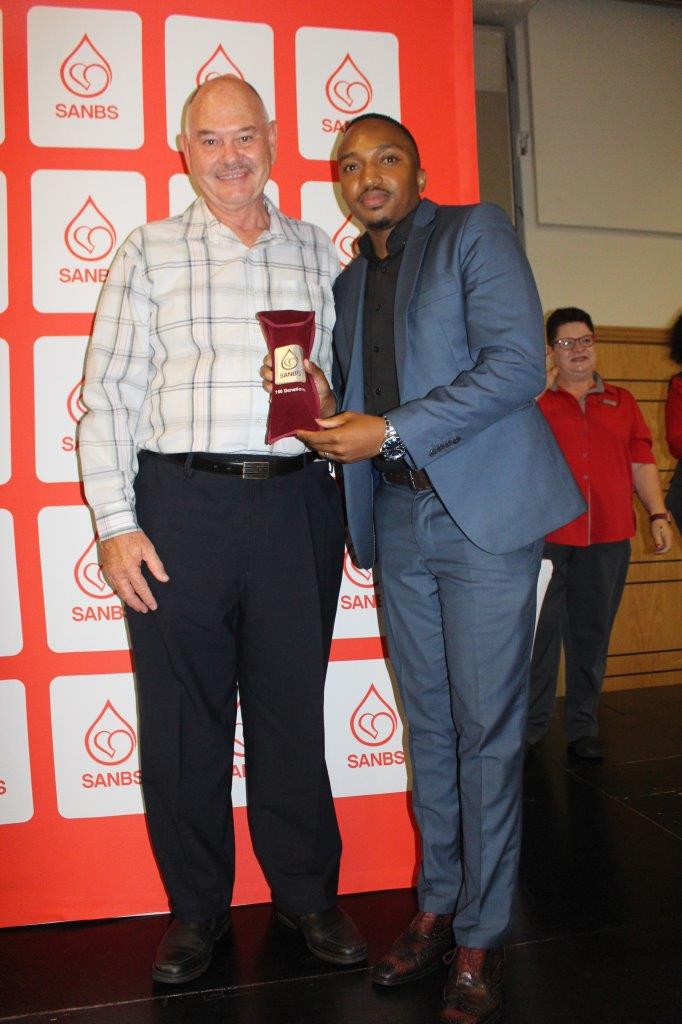
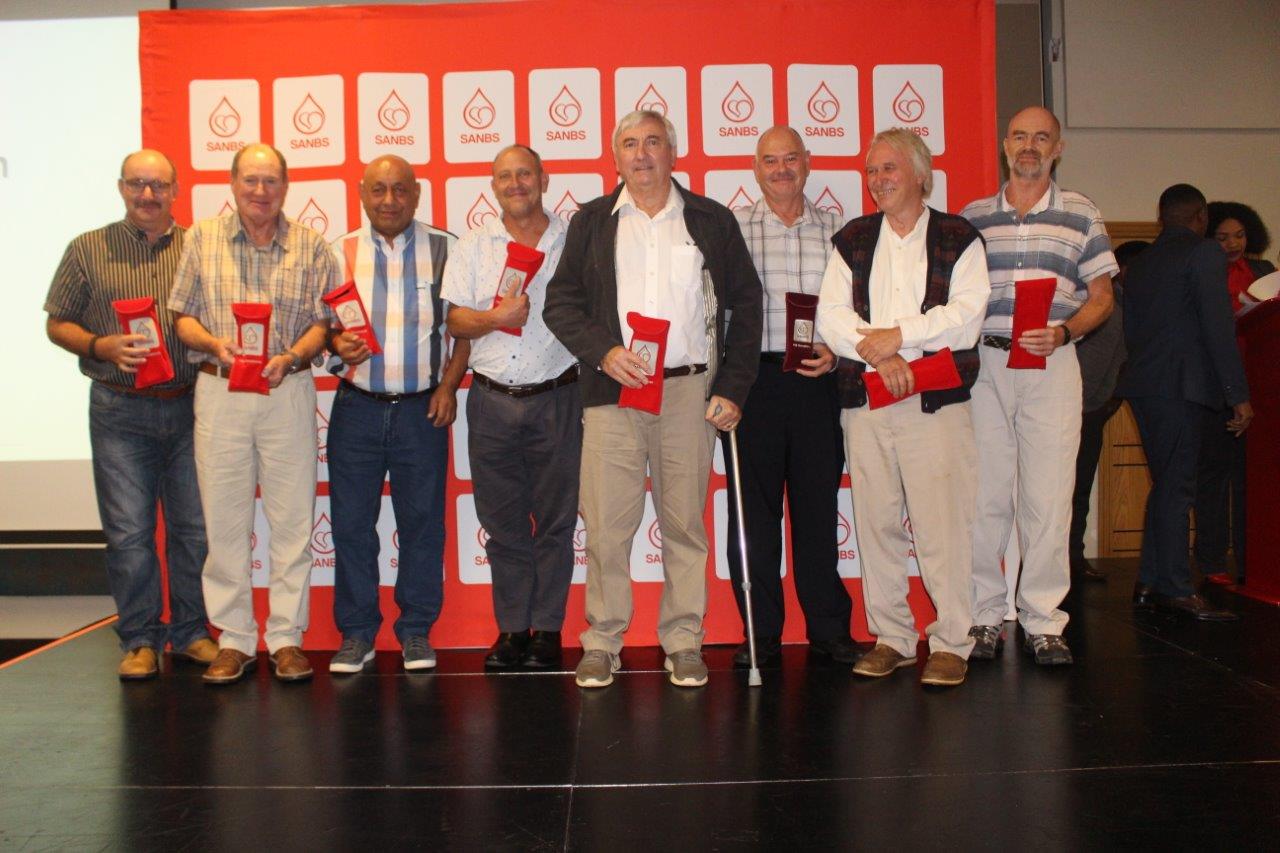
Loyal donors honoured by Nelspruit SANBS
Though technology has progressed significantly, no artificial substitute for human blood exists as yet, therefore blood donation is still important.
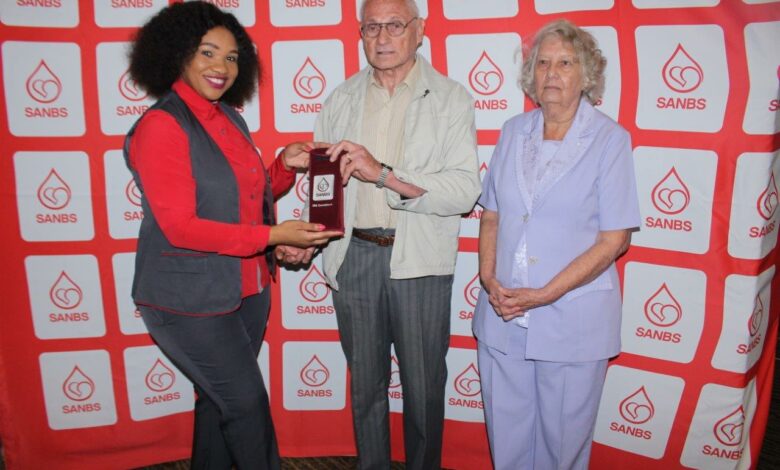
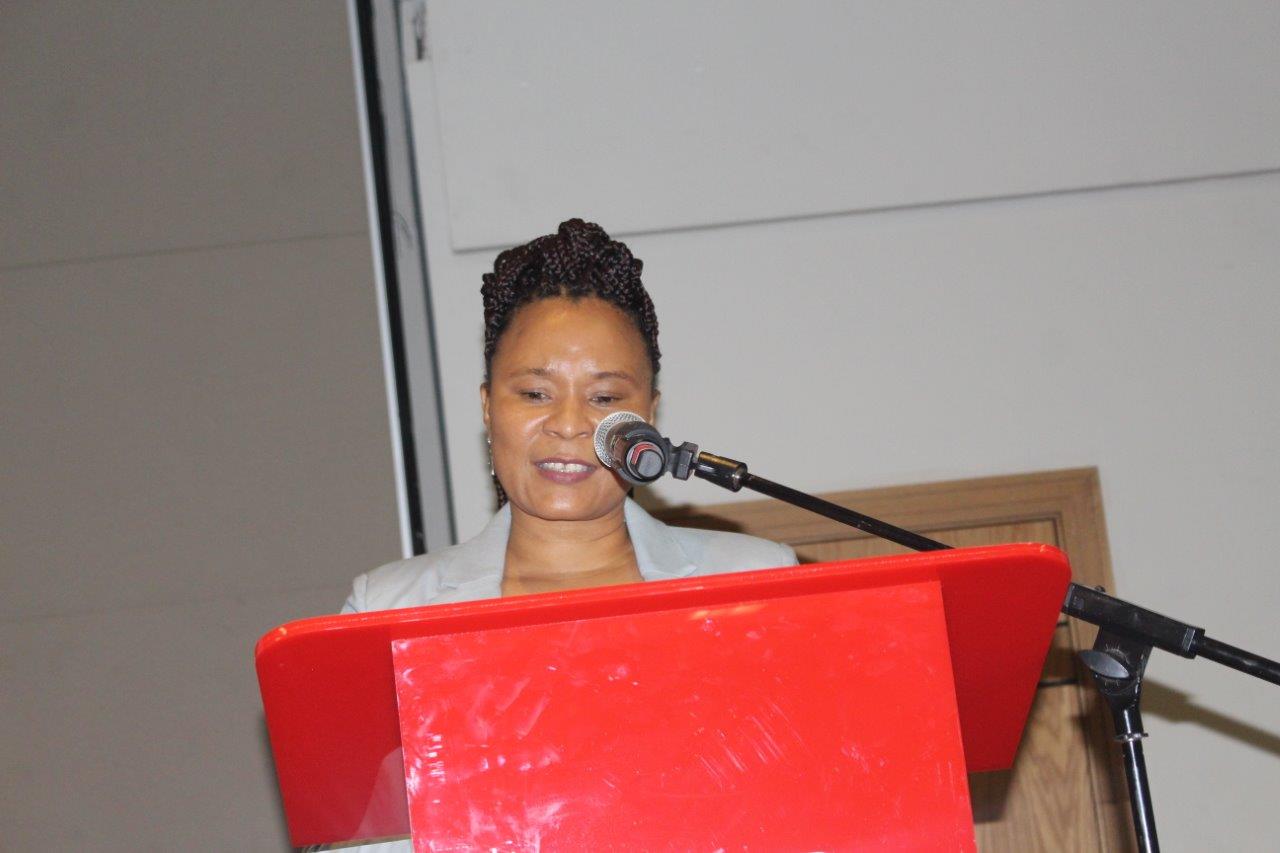
SANBS’s senior manager, Josephine Mitchel, said many of their donors who were honoured, started a lifetime commitment when they were 16 years old. “While technology has progressed significantly since then, no artificial substitute for human blood exists yet. As we wrap up SANBS’s 21st anniversary, we celebrate donors’ consistent dedication, which has been the strongest pillar supporting the existence of our world-class organisation throughout this period. Being a blood donor in South Africa means that you are part of a small group of only 1% of the population who give selflessly,” she said.
The biggest challenge is the recruitment and retention of enough blood donors to meet the insatiable demand. “We need new donors, especially among the youth, to be future blood donors. We know that we can rely on everyone to be ambassadors for blood donation by recruiting new donors among your friends, colleagues and family members,” Mitchel said.
ALSO READ: Mpumalanga DA protests against rising food costs
She also announced the Project Bloodwing, during which SANBS will be implementing the use of drones to transport blood to remote areas.
The launch of the SANBS Donor App in 2023 means that a donor will now be able to locate the nearest sites, book appointments and even complete the medical questionnaire a day before the planned donation, to avoid the queues. The delivery of a first smart fridge, known as the First Igazi Fridge, was also initiated. Operating like a vending machine, healthcare workers use a unique code sent to them by SANBS to access cross-matched blood from the fridge.
ALSO READ: Six accident victims buried in Tembisa
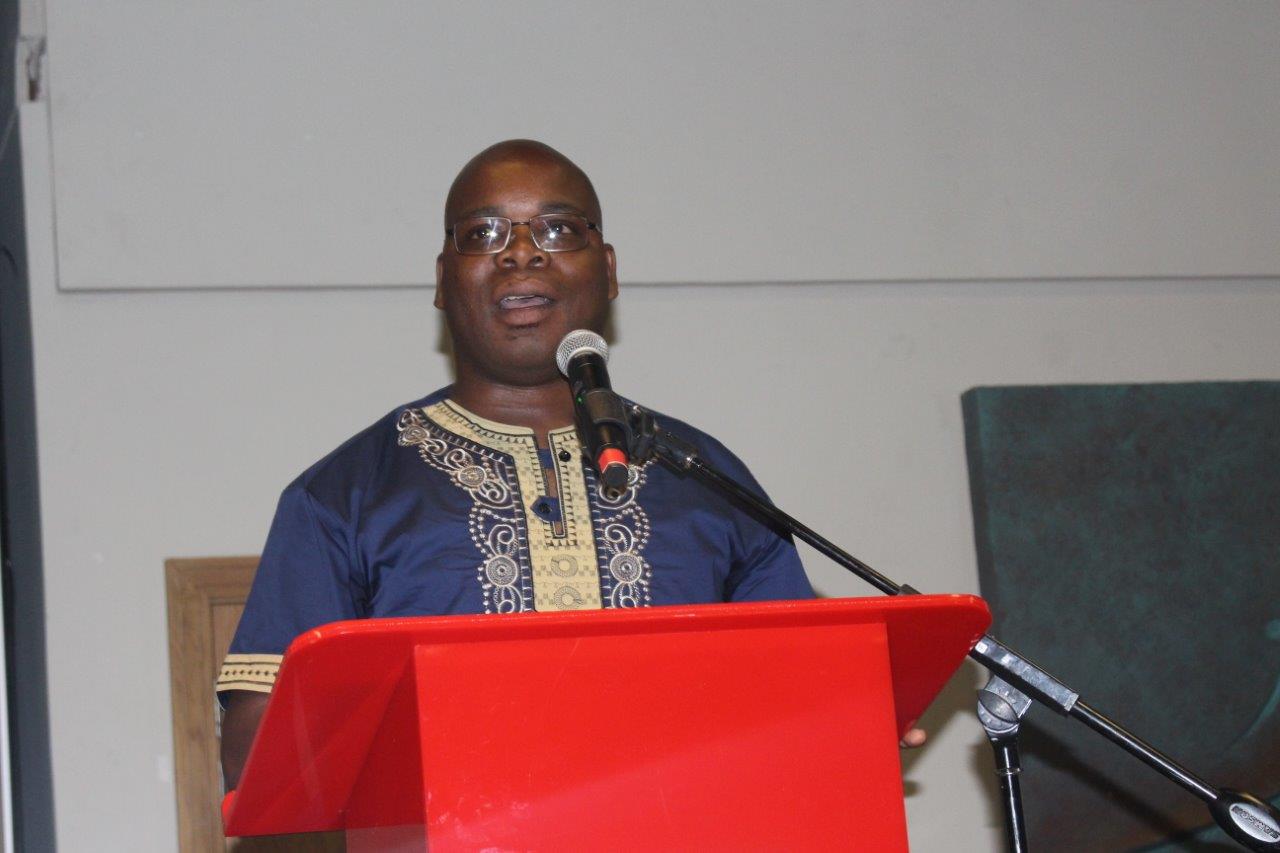
The chairperson of the Nelspruit committee, Alex Mabuza, said he wished every person who meets the requirements to donate blood can see the importance thereof. “This world can be a better place for all. It doesn’t make sense to me that only 1% of the total population in South Africa are active blood donors. We also need to address the mythologies about blood donation, issues about cultures and religion and sometimes just plain ignorance,” Mabuza said.