Kruger poaching incidents on the decline
The rhino poaching statistics released earlier this week showed that a total of 132 arrests for rhino poaching-related offences were effected during 2022, which is an indicator that anti-poaching efforts seem to deliver results.
The Kruger National Park (KNP) has become a dangerous place for criminals.
This is according to SANPark’s spokesperson Isaac Phaahla, following the recent media release of rhino poaching figures showing a massive 40% decrease in incidents in 2022, as compared to 2021.
A media statement by the national Department of Forestry, Fisheries and the Environment’s (DFFE) minister, Brenda Creecy, showed that the KNP poaching figures accounted for 27.67% of all rhino killed in the country last year.
SANParks spokesperson Isaac Phaahla said the reduction is nevertheless encouraging, indicating that the anti-poaching measures with which the park is busy, are beginning to yield results.
ALSO READ: White River water crisis still ongoing
Phaahla told Lowvelder that while it is a fact that the park’s rhino populations have declined due to poaching, it should not take away from the fact that many guns and criminals have been taken out of the system.
“The apprehension, successful prosecution and heavy sentences have contributed to criminals thinking twice before venturing into the KNP. It has become a dangerous place for criminals,” he said.
Phaahla said the retraining of the park’s rangers to be the best unit on the continent, innovative ideas like the introduction of its K9 unit, the use of technology like the radar Wide Area Surveillance System and smart camera technology, increased stop-and-search operations and collaboration with other law enforcement agencies have assisted in the decrease in poaching incidents.
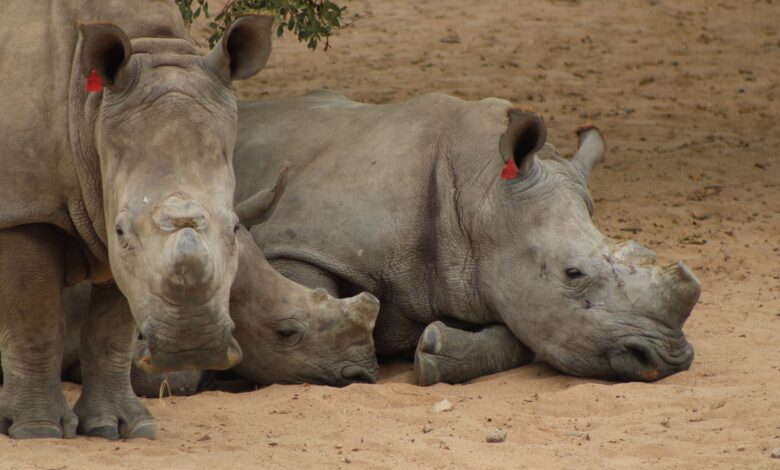
He added that the dehorning programme has also played an important role as it increases the risk to poachers and minimises the rewards.
While the poaching figures in the DFFE’s statement showed that Mpumalanga had the fourth highest number of poaching incidents in the country for 2022, with 21 rhinos killed, it was a decrease from 2021, when 39 rhinos were poached in the province.
Creecy added that in 2022, there had been a number of successful arrests and prosecutions against those involved in rhino poaching and poaching-related offences.
ALSO SEE: WATCH: Lowveld National Botanical Garden’s The Cascades at full capacity
She said in the statement that this added weight to the integrated work of the law enforcement agencies, including the police, the Directorate for Priority Crime Investigation (Hawks), SANParks, Environmental Enforcement Fusion Centre, the Environmental Management Inspectorate (Green Scorpions), customs officials, provincial park authorities and the National Prosecuting Authority.
She said a total of 132 arrests were effected during 2022 for rhino poaching: 23 in the Skukuza area in Mpumalanga, 49 in KwaZulu-Natal and the balance in Limpopo.
“The recent focus on money laundering and international co-operation with other law enforcement authorities led to the arrest of 26 rhino horn traffickers, and 13 people for money laundering and bribing of rangers.”
Phaahla said most of poaching incidents had, however, occurred on the Mpumalanga side of the park, as compared to Limpopo, and that poaching incidents seem to spike during full-moon phases. “But we have special deployment all year round so that we should not be predictable.”
He said the reduction also speaks to the dedication and hard work from all anti-poaching units.
“However, there is no time for complacency as we continue to experience relentless incursions, especially from the Mozambican side.”