No load-shedding for Sonae Arauco, says Mpumalanga High Court
The Mpumalanga High Court granted an order that will prevent the City of Mbombela and Eskom from implementing load-shedding at the wood panel manufacturer.
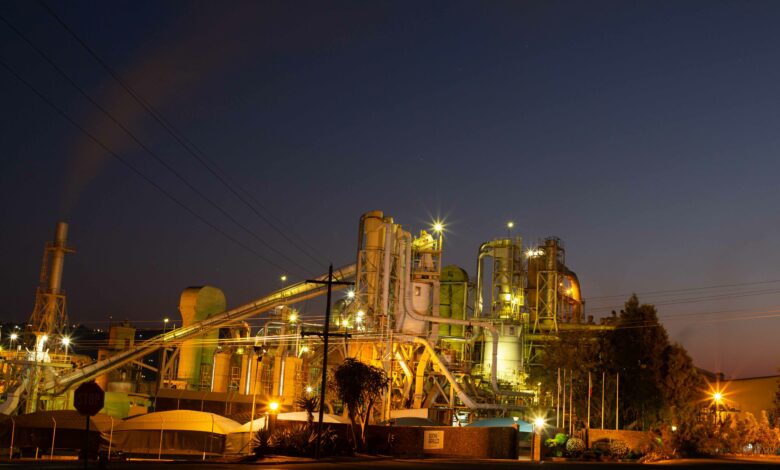
With stage 6 load-shedding now in place until further notice, local wood panel manufacturer Sonae Arauco successfully obtained a high court order prohibiting the City of Mbombela (CoM) and Eskom from subjecting the factory to load-shedding.
The order was granted by Judge AJ Roelofse of the Mpumalanga High Court on Sunday, September 3. The high court order stated that a previous court order restricting Eskom and CoM from imposing load-shedding on the manufacturer, would remain in place.
The order concerned a 2020 agreement between Sonae and CoM that load-shedding would not be implemented at the factory, and in turn, Sonae would control its electricity usage by limiting it to just 70% or less. This is achieved by shutting down the operations at the factory during periods of load-shedding; the electricity supply to the factory would remain uninterrupted.
ALSO READ: Mother of Deon Broekman’s rape victim speaks out
The court documents state that Sonae is the single largest contributor to the municipality’s electricity revenue, as it spends more than R100m annually on electricity, which it purchases from the municipality.
The factory is dependent on a steady electricity supply to safely conduct its operations and to be sustainable. The installed equipment operates at high temperatures and is tremendously sensitive to electricity supply interruptions, especially load-shedding, as it causes severe damage to the production lines. This can result in a major fire risk and jeopardises the eventual output of the entire factory.
Sonae alleged in the court documents that it has no alternative energy source, and that an alternative electrical supply plant will cost R600m and take between 12 to 18 months to commission. Sonae said it is not in a position to install or implement such a massive power plant.
ALSO READ: Deceased in R40 taxi crash identified
The order stated that the effect of the agreement was that Sonae could continue with its operations, albeit at a diminished scale, avoid damage to equipment and continue with production, therefore remaining commercially viable.
This agreement went on without a hitch until December 2022, when the CoM implemented load-shedding at the factory without warning. The factory contacted CoM, and while it did not find out the reason for the load-shedding during that period, CoM continued with its end of the agreement from January until June this year. In June, load-shedding was again implemented without prior notice.
The CoM stated in its court documents that it ‘simply implements the stages and schedule of load-shedding as determined by Eskom in terms of the agreement between the municipality and Eskom’.
ALSOP READ: Man suspected of killing pregnant woman in Mbombela CBD arrested
The CoM further stated that it and other state organs must devise measures to avoid a total grid collapse. It also said that only the municipal manager has authority to conclude binding agreements on behalf of the municipality, and that the it cannot enter into verbal agreements.
Eskom said in the court papers it is unaware of the agreement, and therefore denies the existence of it. It also said that no load-shedding was implemented due to any errors. Eskom said it cut the power to the Rocky Drift Substation in June because the CoM had failed to comply with its obligations to shed the amount of load required. This happened on June 9.
Roelofse said in the order that there is no real dispute between the parties that the generation, distribution and use of electricity is governed by statute and policy. He said what is in dispute, however, is the implementation of the legislation and the policy.
ALSO READ: Cable thieves behind the street light outages in Mbombela
“On the one hand, Sonae says the municipality has a statutory, constitutional and contractual obligation to supply its factory with electricity. On the other hand, the municipality and Eskom say that they have the right to restrict the supply of electricity to the factory, and a failure to do so would be unlawful,” he said in the order.
“I find in favour of Sonae. Firstly, it and the municipality had indeed entered into the agreement, and secondly, nothing prevented the municipality from entering into the agreement. The NRS Code specifically provides for such an agreement to be entered into by a licensee and a large consumer.”