Sepedi turns Lydenburg Museum into an even more tourism friendly destination
A few months of hard work enhances museum’s exhibits.
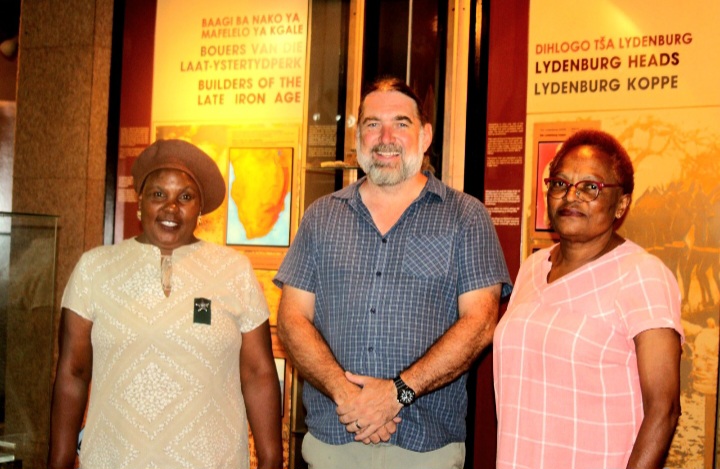
The languages in which a museum relays details of its exhibits are important as well as providing more information about the exhibits, it shapes the knowledge of its patrons.
The Lydenburg Museum painstakingly translated and redesigned the information displayed next to the exhibitions over the past few months.
The museum has always been bilingual (Afrikaans and English), but now it also boasts Sepedi.
A grant from the Mpumalanga Department of Culture, Sport and Recreation made this project possible.
Also read: Pothole-ridden Dullstroom road considered a death trap
“The panels next to the exhibits could not be removed, so we had to add the Sepedi versions on-site and make them fit into the spaces that were available,” said Celliers.
They said it was difficult because words could not be translated directly. Sepedi, for instance, has a whole sentence to describe translated directly. Sepedi, for instance, has a whole sentence to describe something, whereas in English, only one word is used.
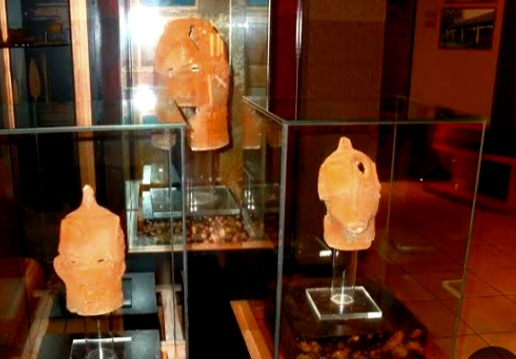
The replicas of the Lydenburg Heads on display at the Lydenburg Museum a The original Lydenburg Heads are in the Iziko South African Museum in Cape Town.
As a child, Karl-Ludwig van Bezing discovered the seven terracotta heads on his father’s farm outside Lydenburg.
In the 1950’s and 1960’s he returned to the area and excavated more pieces. The heads are among the oldest known African Iron Age artworks south ofthe equator.
Additionally, the museum exhibits military history, old gold mining tools, war memorabilia, as well as cultural exhibitions.
Next year, Celliers plans to expand the artefact and archaeology area.
The museum is open to the public every day from 08:00 to 16:00 during the week
and 08:00 to 12:00 on weekends and public holidays.