Lowveld Eye Institute: Understanding cataracts and knowing when to seek help
Cloudy or blurred vision, difficulty driving at night, and increased sensitivity to glare could be early signs of cataracts.
There’s a change many people notice but often dismiss at first – streetlights seem a little brighter than they used to, reading takes more effort, or driving at night feels uncomfortable. Glasses get updated more frequently, but the clarity still doesn’t feel quite right.
These subtle changes are often the early signs of a cataract.
“It feels like I’m looking through a foggy window” is one of the most common ways people describe living with cataracts.
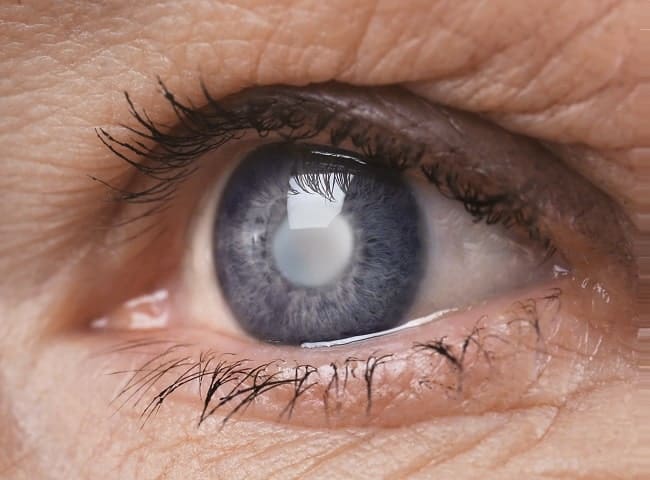
A cataract develops when the natural lens inside your eye slowly becomes cloudy. Instead of light passing clearly through the eye, it gets scattered, causing blurred, dim or distorted vision.
The condition usually develops slowly over time, which is why many people adjust without realising how much their vision has changed.
Everyday signs that should not be ignored
If you’ve experienced any of the following, it may be worth having your eyes checked:
• Vision that feels cloudy, hazy or ‘foggy’
• Difficulty seeing clearly at night or while driving
• Glare from headlights or sunlight that feels uncomfortable
• Halos or starbursts around lights
• Colours that look faded or less vibrant than before
• Needing frequent changes in your glasses prescription
These changes are often gradual – but they are not something you should simply get used to.
What causes cataracts
Most cataracts are linked to ageing, but other factors can contribute as well:
• Natural ageing of the eye (most common)
• Diabetes, which can accelerate changes in the lens
• Long-term exposure to UV sunlight without protection
• Smoking, which increases oxidative stress in the eye
• Long-term use of certain medications such as corticosteroids
While cataracts are common, the good news is that they are also highly treatable.
When it’s time to get your eyes checked
A cataract doesn’t need to reach a “severe” stage before it affects your quality of life. If you find yourself:
• Struggling to read comfortably
• Avoiding night driving
• Feeling less confident with your vision
• Relying more on brighter light than before
…it may be time for a proper eye examination. A simple, painless eye test can confirm what’s happening and help guide the next steps.
What happens during an eye examination?
A full eye check for cataracts is straightforward and comfortable. It usually includes:
• Reading tests to measure your vision
• A detailed examination of the lens using a special microscope
• A full assessment to rule out other eye conditions
This helps determine whether cataracts are present and how much they are affecting your vision.
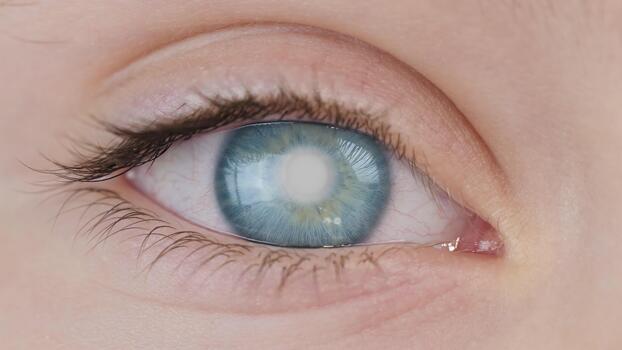
The good news: Cataracts can be treated
When cataracts begin to interfere with daily life, surgery is the only effective treatment.
It is one of the most commonly performed and successful procedures worldwide.
During the procedure:
The cloudy natural lens is gently removed. It is replaced with a clear artificial lens (called an intraocular lens), which remains permanently in place to restore clearer vision. The procedure is precise, quick, and designed to improve quality of life significantly.
A simple overview of the procedure experience
Patients are usually awake but relaxed during surgery. The eye is completely numbed, and most people are surprised by how straightforward the process feels.
• The eye is gently prepared and numbed
• The cloudy lens is removed through a tiny opening
• A clear replacement lens is inserted
• The eye heals naturally without stitches in most cases
Protecting your eyes going forward
While cataracts are often age-related, there are ways to support long-term eye health:
• Wear sunglasses that block UV rays when outdoors
• Stop smoking where possible
• Maintain a balanced diet rich in leafy greens and antioxidants
• Manage conditions like diabetes carefully
• Protect your eyes from injury during work or sport
• Schedule regular eye examinations, even if your vision seems fine
Trusted eye care in Mbombela
If you are noticing changes in your vision, early assessment makes a real difference. Professional care is available at Lowveld Eye Institute, where services are led by Dr Edrich Engelbrecht.
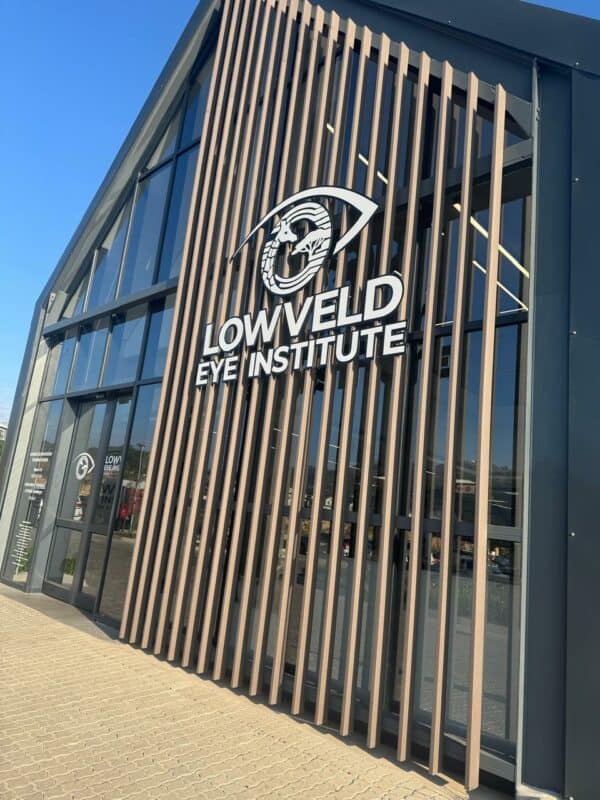
With more than 18 years of experience in both public and private eye care, Dr Engelbrecht provides focused, patient-centred treatment in cataract surgery, glaucoma, diabetic eye disease and refractive procedures.

Don’t wait for your vision to worsen
Cataracts don’t improve on their own, but they can be treated successfully.
If your vision is changing – even slightly – a simple eye examination can give you clarity and peace of mind. Many people wait longer than they need to, often adjusting their lives around worsening vision without realising how much better things could be.
A check-up is quick, painless, and could make a meaningful difference to your quality of life.
Contact details
Lowveld Eye Institute is situated at 14 Midnight Street, Orchard View Ext 2, Mbombela.
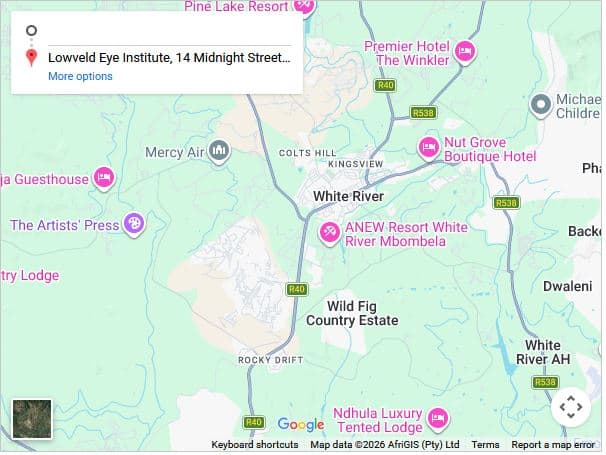
Call 013 497 2502, or email info@lowveldeye.co.za to schedule an appointment.