
Africa’s vultures being decimated by poison
A study released today in the conservation journal Oryx reveals that since 2012 ivory poachers have increasingly used poisons to kill elephants or to contaminate their carcasses specifically to eliminate vultures, whose overhead circling might otherwise reveal the poachers' presence.
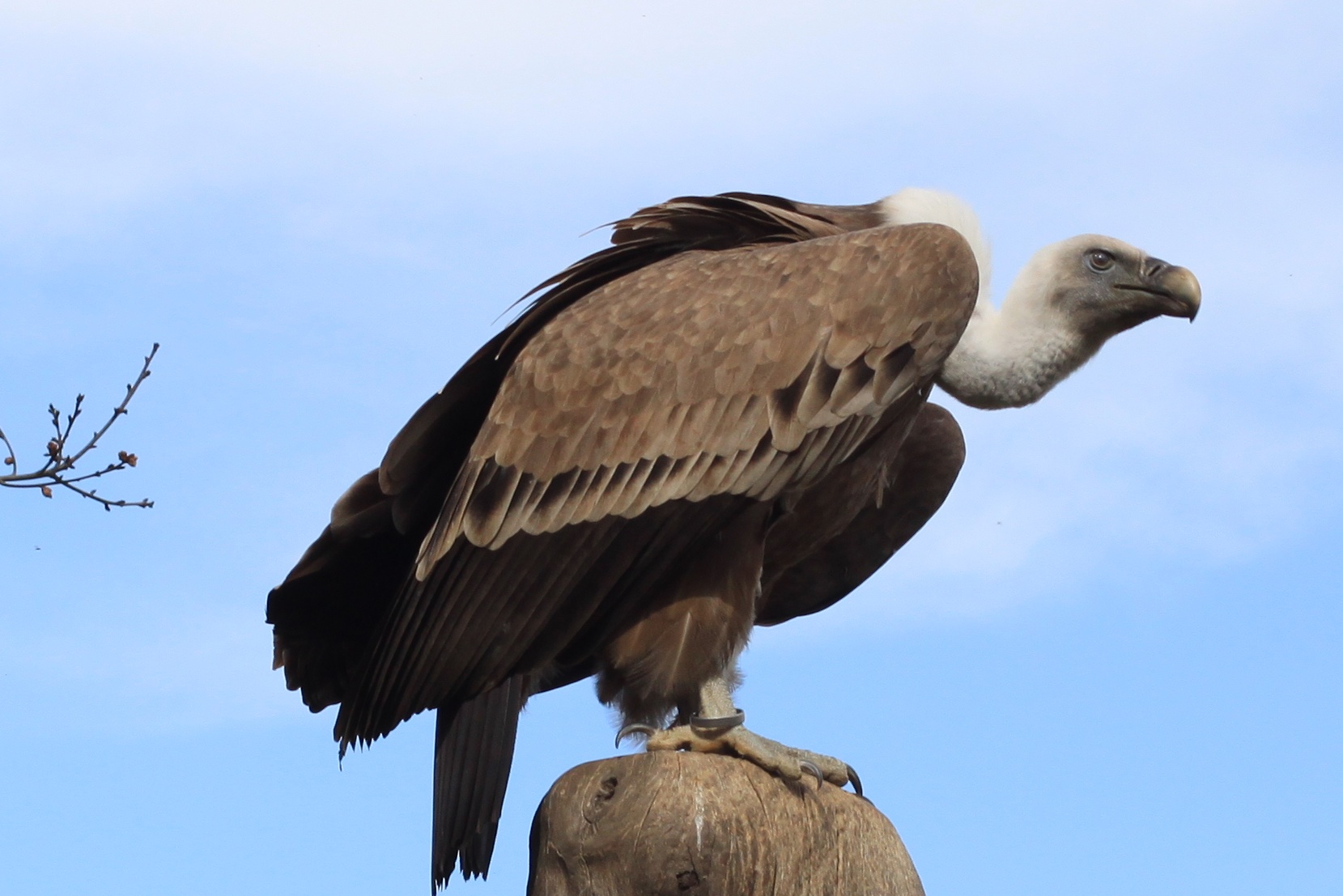
Conservationists in Africa have raised the alarm about the increasing use of poisons in elephant poaching and the devastating effects on Africa’s endangered vultures.
Elephant, 46 vultures and 4 lions killed for muti
A study released today in the conservation journal Oryx reveals that since 2012 ivory poachers have increasingly used poisons to kill elephants or to contaminate their carcasses specifically to eliminate vultures, whose overhead circling might otherwise reveal the poachers’ presence.
Urgent steps should be taken to save vultures
In October this year four species of African vultures were up-listed to critically endangered, and two species were up-listed to endangered on the IUCN Red List, such is their dire plight on the continent. This newest threat has increased so rapidly that it now accounts for one-third of all vulture poisonings recorded since 1970.
Cape vulture decline is reason to be concerned
Darcy Ogada the Assistant Director of Africa Programs for The Peregrine Fund and lead author of the study said, “In April 2012 we held our first Africa-wide vulture meeting to address rapidly declining populations and this threat was not even mentioned. It has exploded in magnitude with the ongoing slaughter of elephants and currently represents the biggest cause of vulture mortality.”
Between 2012 and 2014, 155 elephants and 2,044 vultures were killed in 11 poaching-related incidents in seven African countries. The number of vulture fatalities associated with each ivory poaching incident is more than 30 times that recorded in other poisoning incidents since 2012.
The authors warn that the dramatic upsurge in the use of poisons for poaching elephants represents exploitation of weak regulations and enforcement regarding the accessibility and misuse of toxic pesticides and other poisons.
Andre Botha of the Endangered Wildlife Trust noted, “A significant part of the challenge is the fact that a range of chemicals are readily available and accessible to individuals with the intention to poison wildlife. Off-label use of substances such as carbofuran and aldicarb is common practise, potentially has a devastating impact on wildlife, and it seems that very little is done by authorities to monitor and enforce regulations and legislation in this regard.”
Wildlife authorities in many African nations admit to being overwhelmed by the increasing use of poisons for poaching. The authors concur that the current intensity with which poisons are being used to kill elephants, rhinoceros, vultures and other species represents a paradigm shift that requires international support from a range of stakeholders.