No more Lebombo Border agony – BMA
According to the BMA, the biometric system that slowed down the processing of passports has been put on hold indefinitely
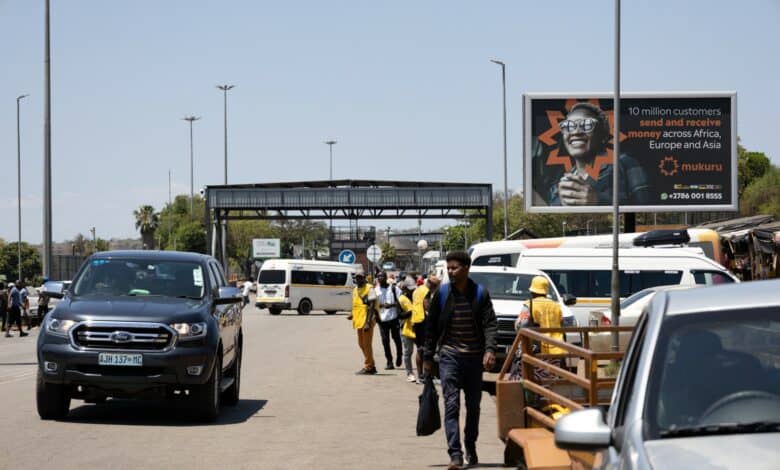
Tourists queueing for hours and being exploited by illegal runners at the Lebombo Border Post is something of the past.
This according to the Border Management Authority’s (BMA) Lebombo port manager, Sam Ngumane.
Lowvelder visited the border post on Thursday, October 17 after an uproar on the DriveMoz Facebook page about how long it took to get through the South African side of the border versus the Mozambican side.
On October 3, Graham James took to Facebook as he was in the queue. While he said it took him two minutes to get through the Mozambican side, he claimed to have made barely any progress after four hours of queueing on the South African side. He claimed at the time there were only two people behind the counter doing biometrics.
Johan Lessing had a similar experience twice that week. He felt it did not make sense as the same number of people passed through both sides of the two-stop border.
He blamed poor management and a lack of planning, highlighting that in both instances, the South African side appeared short-staffed, with only one or two officials stamping passports in a facility that housed a total of 54 cubicles.
On the same day that it took Lessing five hours to get through the South African side, he claimed to have zipped through the Mozambican side in just 15 minutes.
The issue of illegal runners was also raised.
“Last time we passed through there, we witnessed blatant corruption by South African officials. They cause the backlog and then work with the runners to extort money from travellers to have passports stamped quicker. Runners get R20 and officials R180 [of the] R200,” wrote Karen van der Meulen.
Leon Hoyer said it was nothing more than a lucrative business opportunity for ‘not so helpful’ border staff to make money. “We were offered a deal – R150 per passport and then it will take five minutes.
We declined, but the gentleman parked next to us did take the deal and his passport was stamped within minutes and his wife did not even get out of the car. In the back office you have, let’s say, five people stamping passports, while you have two people serving the public,” he said.
Nick Grobler, a South African citizen living in Maputo, told Lowvelder the South African side was a nightmare. He said it would be understandable if both sides of the border took equally long, but they did not. “If Mozambique can work, so can South Africa,” he said.
ALSO READ: Man found in possession of 34 passports nabbed at Lebombo Border Post
Grobler also noted the alleged staff shortage on the South African side. In addition, he claimed South African officials were more interested in typing messages on their cellphones than assisting travellers standing in front of them.
Hectorspruit resident Francien van Zyl has been travelling to Mozambique to visit her children and grandchildren frequently since 2016. She too told Lowvelder in her experience, there were rarely more than two people at a time stamping passports on the South African side. This, she said, leads to long queues, while the Mozambican side flows seamlessly.
Realising she cannot change the system, Van Zyl has learnt to avoid the border on Friday afternoons, Saturdays, Sundays and at month-end, and to enter Mozambique via eSwatini whenever possible.
She also highlighted the issue of illegal runners and questioned where they were stamping passports.
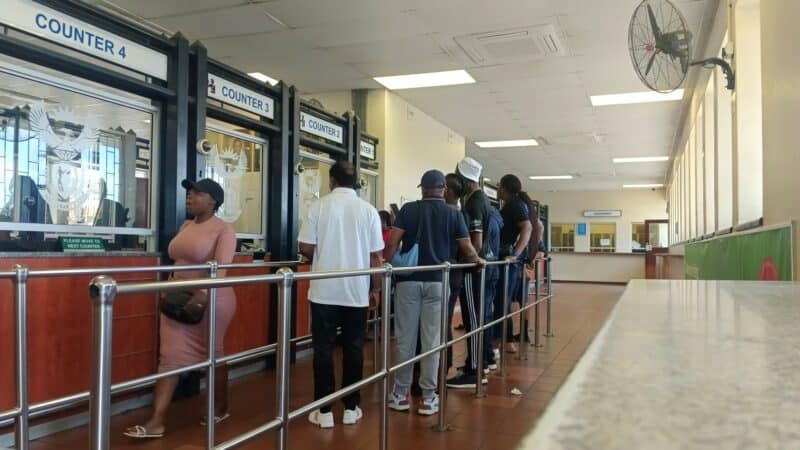
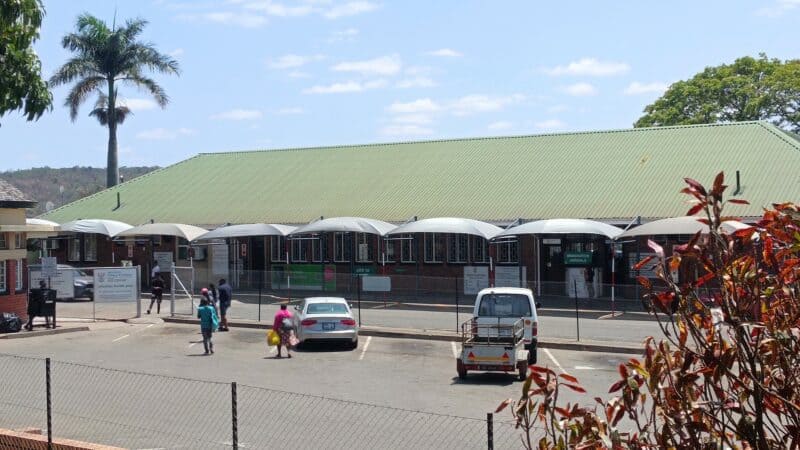
When Lowvelder visited the border, it was quiet and there were no queues. Speaking to the publication, Ngumane pinned the delays on the Biometric Movement Control System (BMCS) – a shared system with the Department of Home Affairs that enabled the capturing of fingerprint and facial biometric data of all travellers who enter and exit the country and was meant to improve national security.
Unfortunately, Ngubane said, at Lebombo, the system caused frequent delays because the building was not suited to the biometric system and the network in the area was too slow. Therefore, he said, the BMCS has been put on hold indefinitely and there should not be any further delays.
He added the illegal runners were only there because the system was slow, and now that Lebombo has gone back to using the old system, the runners should disappear.
In response to questions sent by Lowvelder, the BMA spokesperson, Mmemme Mogotsi, said the allegations of illegal runners profiting off or even orchestrating delays in cahoots with border staff had not been brought to their attention.
However, she urged the public to provide detailed reports of runner activity (including images of the stamps in passports) to the BMA for investigation.
“In instances where a matter is reported, we investigate further the issues raised, including taking harsh measures against officials who might be involved in unethical conduct. The BMA has a zero-tolerance stance against corruption within the border environment,” she said.
Mogotsi explained the older Excise Movement and Control System (EMCS) was used in conjunction with the BMCS to facilitate the legitimate movement of persons and goods within the ports of entry.
She said the BMA has recently embarked on a partnership with SARS to secure a better connectivity at the ports.
She further assured Lowvelder there was enough staff to fill all 54 Lebombo cubicles on peak days – a view shared by Ngumane, who indicated that the law enforcement officers working outside would work inside in the cubicles when the border got busy.

ALSO READ: Lebombo Border records 28 000 people crossing to Moz in a single day this December