Komatipoort suffers due to Moz protests
The town was still on the post-Covid road to recovery when the Mozambique unrest started
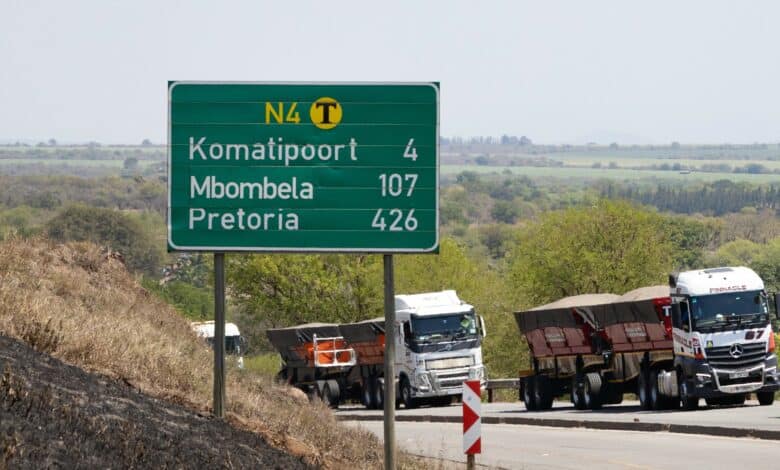
“It’s scary how dependent we are on Mozambique,” said Komatipoort businessman Muller Rautenbach.
His two Komatipoort businesses, Best Meat Wholesalers and Jabulani Butchery, get 95% of their business from Mozambican clientele and are among those who have taken a beating since post-election unrest erupted in Mozambique in October.He said some businesses in Komatipoort exist for the Mozambican market. Wholesalers of products like flour, maize meal and cooking oil, unfortunately operating on low profit margins, have also seen their turnover crashing.
ALSO READ: Komatipoort businesses bend under Lebombo Border debacle
“This town is super dependent on Mozambicans’ buying power,” said Rautenbach. He explained how the drama across the border triggered a chain reaction that impacted on every layer of society, including small and large businesses such as SPAR, the pharmacy, and several doctors, restaurants and petrol stations. He said because Mozambique was not able to produce enough protein locally to meet the demand, its people come to the Lowveld, especially Komatipoort, for bulk purchases of products like meat, chicken, pork and eggs. “A large volume of products come out of small establishments. Komatipoort, for example, produces a minimum of 200t of meat per week for the Mozambican market, and they take only A grade prime products,” said Rautenbach.
With the meat being sourced from a range of abattoirs scattered across the country, in places like Barberton, Mbombela, Gauteng, Durban and even Cape Town, he said the impact of the sharp drop in trade reached deep into the country’s borders.
Further highlighting the economic impact on the meat industry, Lebombo Slaghuis’s director, Riaan van Niekerk, said his business got about 85% of its trade from Mozambican customers who buy in bulk. “We are fortunate to still have customers from places like Mbombela, Malalane, Tonga, Naas, Hazyview and Marloth Park, but we are definitely feeling the effects.”
The border town was heavily affected by Covid restrictions and was still on the road to recovery when the unrest broke out. Van Niekerk explains how the unrest had affected the town’s economy compared to Covid. “During Covid, we still had some Mozambicans coming through, which helped us, but with the unrest, this completely stopped when the border was closed,” he said.
ALSO READ: Tourists warned to avoid Moz
Fortunately, to date, the Lebombo Border has not been closed for longer than a week at a time. Yet several businessmen said they missed out on 40% to 50% of the normal festive trade – a vital annual boon to the economy that would normally carry them through the January and February doldrums. In addition to bulk sales being down, the annual big influx of income derived from cross-border tourism, usually seen between mid-December and early January, did not happen this year, setting in motion a knock-on effect.
Parts of the agricultural sector were also hamstrung. Cobus Botha, chairperson of the Strydomblok Farmers Association, explained mango and litchi farmers who normally export through Mozambique were forced to, at significant financial cost to themselves, divert their produce to Durban and Cape Town for export. He said local chicken farmers who export cold products to Mozambique also suffered financial losses as they too had to seek alternative markets. The same happened to pig farmers in the Highveld. Botha said because the Mozambican protests mostly started after 08:00 in the mornings, some of the local butcheries opened early to accommodate cross-border customers so that they could buy meat and be back in their country before the protests flared up. Meanwhile, local vegetable farmers lost out on business from informal Mozambican traders who were unable to come through to Komatipoort to stock up on vegetables. Lowvelder understands some of the unsold vegetables had to be discarded of, especially in the early stages, until alternative markets could be secured.