Healthcare doesn’t have to cost an arm and a leg
South Africans don't have to pay half the price for medicine they think they do.
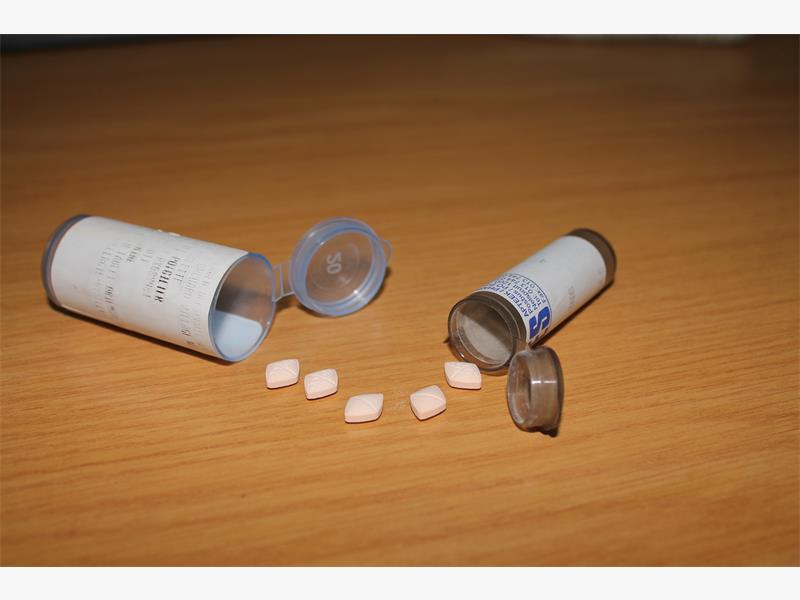
Patients often spend too much on authentic medicines, unaware that most generic brands in South Africa are just as effective, with the same active ingredient, at a fraction of the price.
Generic brands often cost up to 80 per cent less than the original, leaving patients to believe they are not as effective. However, all products – generic or original – are identically tested for their efficacy and contain the same active ingredient.
“Generic brands undergo the same rigorous medical tests as originals,” says Charl Weber of Mopani Pharmacy at Crossing Centre, “but generic manufacturers had less expenses than companies who produced the original product.”
According to Weber “ethical companies”, or those which produce original medicines, spend millions on researching, testing and marketing new products, after which they hold the patent for a certain period, usually about 20 years.
“The ethical companies need to make back their money, so they hold all the rights to manufacture a product until the patent becomes invalid. They need to gain financial profit, or else they won’t produce medicine again. If generic companies just copied them, ethical companies wouldn’t make money and
they would obviously stop researching new products. Generic companies would then also not get the recipes.”
According regulations set up by the United States Federal Drug Agency (FDA), the generic product has to be bioequivalent to the original. This means the generic product has to contain the same molecular composition of the active ingredient, with the same strength and efficacy as the original, and the product has to be administered or ingested in exactly the same way. However, since the products are not manufactured in the same factory, certain raw materials may differ.
A well-known Mbombela doctor, who whishes to remain anonymous due to professional reasons, says these deviations are not necessarily enough to cause severe side-effects, but the patient’s state of mind is a determining factor in the medicine’s efficacy.
“Although the active ingredient is the same, the added materials to the generic medicine, which cause it to dissolve or be absorbed in the body, may differ. But since the active molecule is the same, the generic should work in exactly the same way.
“Patients struggle to trust generic brands because they think it’s a watered down version of the original. If patients don’t think they will heal, chances are they won’t. This is caused by the placebo effect.”
The placebo effect is known as the positive or negative effects, which can only be attributed to the patient’s belief in the treatment. It in itself does not account for those effects. In other words, the effectiveness of a treatment is largely “all in the mind”.
It is important to note that not all generic versions are an adequate substitute for the original. “When it comes to antibiotics I only recommend original brands,” says the doctor. “But that is a personal prerogative. Some doctors prescribe generics without even knowing what the original is in the first place.”
The doctor says South Africa boasts with three mainstay generic-brand companies: Adcock, Aspen and Cipla. “If the products are made by any of these companies, they are on par with the original.”
To continue making money, the ethical companies also make cheaper versions of their own product. These are known as clones.
“The difference between generics and clones,” says Weber, “is that the clone is made by the ethical company itself. It is basically the exact same product, just with a different name and in a different packaging.”
According to law, pharmacists are obligated to offer a cheaper alternative to expensive, original medicines and to inform patients about the differences and similarities between the two. “Most medical aids only cover the costs for generic products anyway,” says Weber.
Patients who depend on chronic medication often pay thousands of rand each month, most of which is not covered by medical aid. They are urged to research generic options.