UPDATE: Conservationists worried about emerging trend of lion body parts for sale (Graphic content)
World organisations in conservation are speaking out about worrying emerging trends in lion parts become commercially valuable, because if so, more lions will be poached. A new protocol for saving the African lion has been proposed but will it stop the trend?
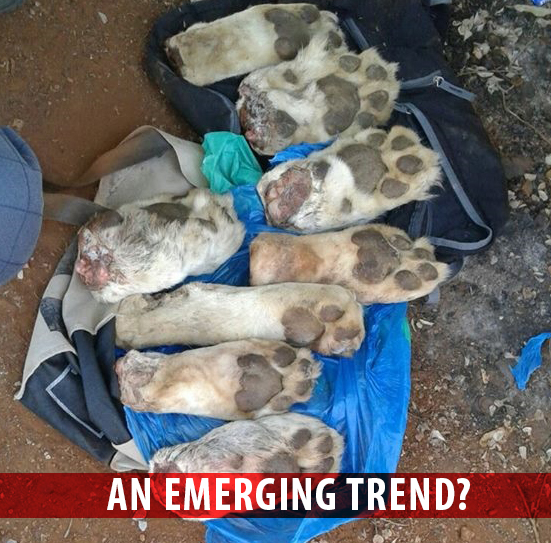
MBOMBELA – Three men from Mozambique appeared earlier today in court in Giyani on charges of possession of two lion heads and eight lion paws. The case was postponed until June 20. The accused will remain in custody.
They were arrested two days before the meeting of the first African lion range states led by CITES and CMS where African countries got together to agree on ways forward to save lions, in a joint operation by police members of the provincial stock theft Unit attached to the rhino task team and members of SANParks.
In a historic move in Entebbe, Uganda on June 1 representatives from 28 African lion range states have reached a broad agreement to secure the survival of this iconic species in the wild across Africa.

But will this help to curb what seems to be an emerging trend of lions being poached for the selling of body parts?
Dr Pieter Kat, international conservation activist and director of Lion Aid, is worried about the recent occurrences in South Africa of lion body parts being poached.
“Why would the poachers target lions and remove their heads and paws unless there was a market?” he said.
Lion Aid is a UK-based organization fighting for lion conservation.
He remarked that Lion Aid had found that for some time lions poisoned or killed in human or wildlife conflict incidents across Africa but especially Tanzania and Kenya, were also missing their paws and teeth.
“Where is the market? We know that lion claws and teeth are sold as tourist items quite openly in Kenyan local markets. We also know that they are increasingly appearing in seized shipments of ivory on their way to China. We all know that lion bones are increasing in value in Laos and Vietnam due to dubious value in so called ‘traditional Asian medicine’ as replacements for tiger bones,” Kat remarked.
“This is the worrying trend. Let’s all keep a keen eye on any illegal trade in lion parts. These cats are in enough trouble already via trophy hunting and human or wildlife conflict without the additional threat of commercial poaching,” said Kat.
Last year Lion Aid stated it could not even begin to estimate the scale of commercial lion poaching. In 2015 a skeleton bought for about R16 000 in Africa had a final market value of more than R1 million in Vietnam.