The downgrade is not the catasrophe
Some commentators call our recent downgrades a “catastrophe”, that’s wrong of course. It simply confirms the disaster that has been unfolding in South Africa. We are not now going to experience hardships: we have been experiencing them for a while.
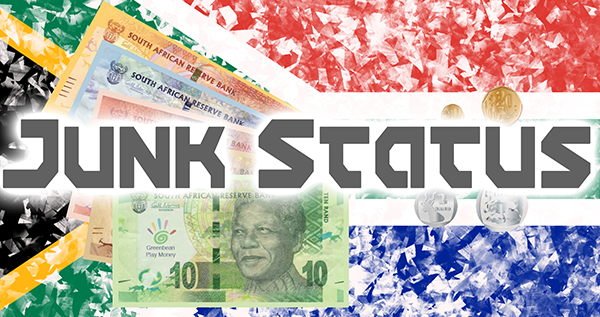
That is the reason why the financial markets reacted surprisingly mildly to the downgrade, they were already suppressed. State finances were already in slow collapse, most of the parastatals are already wrecked, the economy was already at a standstill, unemployment and poverty already at heart breaking levels. The rating agencies simply told us what we already know, and – yes – it will take many years to regain an investment rating.
That is why those who argue for the establishment of another (BRICs) rating agency are delusional. It’s like hoping another scale will not show that you are overweight; as if the scale that was responsible for your weight.
ALSO READ: Junk Status – What now?
It will take a long time before we regain our investment grade – if we ever do – because we need first to understand what the route to recovery requires. Firstly, we need to recognise what is wrong, and secondly, we need to introduce policies to fix it. But for that, you need honest and competent leadership. And we lack both, hopelessly so!
The problem is that the state is too big, and that there are too many civil servants and that they are mostly completely overpaid. The result is a growing tax burden and record and rising, state debt levels. This stifles economic growth and discourages risk taking and investments.
The parastatals, which are part of the state but which pretend to be “companies” with “boards”, “directors” and “chairpersons”, are a complete mess. Not only do they require continuous bail outs by the overburdened tax payer, they also cause immense damage to the economy – Eskom is a shining example. And this all adds to the woes of the fiscus.

Labour legislation, labour relations and skills shortages are all adding to our misery. Misplaced policies rub salt into the open wounds, and there are many other obstacles that hinder growth: BEE, procurement manipulation, competition, protection of all sorts- and other policies that cause confusion, that undermine SA as an investment destination, and that add to the cost of doing business in the country. And then, of course, there is the endemic problem of crime, and it says something about our current plight that this problem is now dwarfed by our other economic woes and has slipped off the national agenda.
But most of all our reputation has been shattered. Our image as a stable and safe investment destination has been demolished, our dreams have been turned into nightmares.
We need to recognise these things; we need to call these things by name and we need to be honest about them – for that you need a leader!
ALSO READ: What SA can learn from other countries’ junk status
We need to cut the civil service, we need to privatise the state-owned enterprises, we need to be liberated from the burden of BEE, distortive procurement, land restitution, trade and labour policies, and much more. And we need to create a world class skills development system. All this will take a very long time – and all this requires a leader!
Don’t blame the rating agencies and don’t blame Zuma. Although there are many corrupt and incompetent leaders to choose from, there must also be many good and competent leaders to choose from. The ANC, however, chooses Zuma and those that have the power to get rid of him now elect not to do so. Should we blame Zuma or should we blame all those complicit in his continued leadership?
Eventually we will get the chance to be the masters of our destiny again. Regardless of the damages done, if we want a free and prosperous nation, we will need to make sure we choose somebody that will be honest in identifying our problems, and honest in fixing them.
But remember one thing: this will be a hard and difficult journey but the alternative will be worse.