Followed by a moonshadow
The Barnyard at Casterbridge recently came to life, with Henk Botes' tribute to the wonderfully talented Cat Stevens.

Botes, better known as Henk d’ Kat, wowed the audience with his renditions of “Moonshadow”, “Lady d’Arbanville”, “Where do the Children Play”, “Wild World”, “Father and Son”, “First Cut is the Deepest” and many more.
He is a well-known guitarist, entertainer and singer, and this two-hour performance was a captivating and enchanting rendition of the music of one of the world’s most-loved singers.
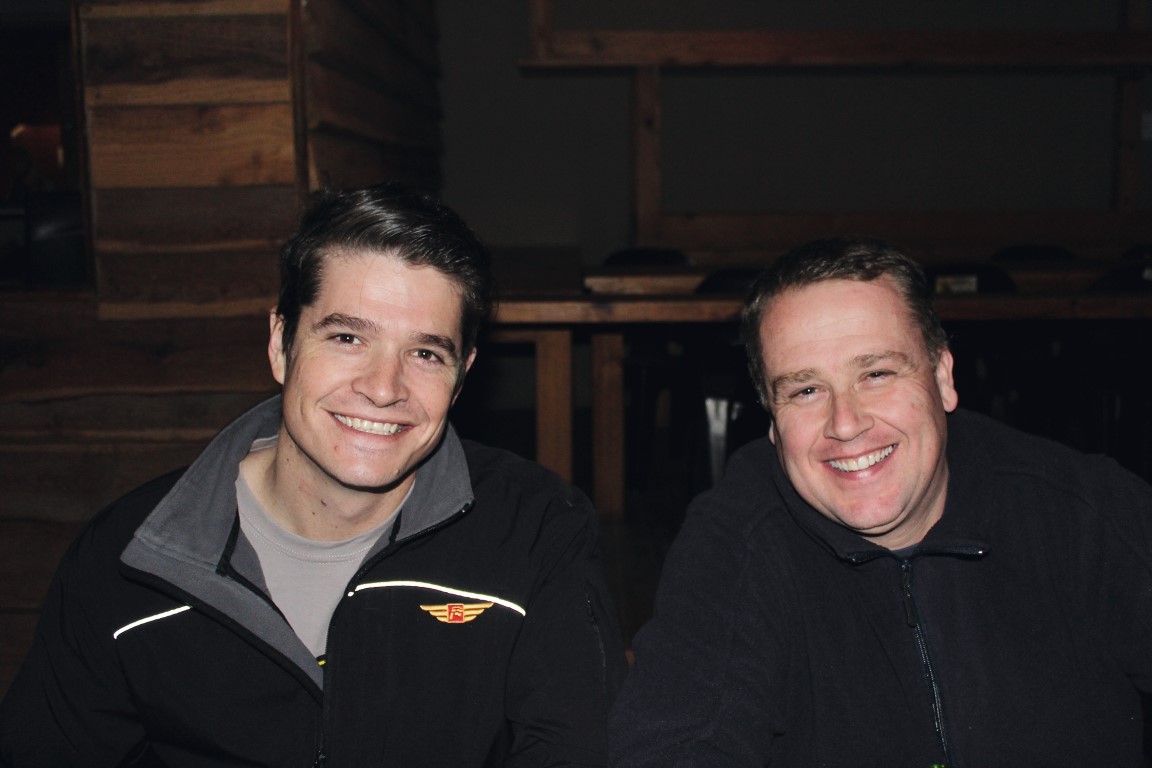
Foot-stomping, thought-provoking and highly entertaining, the evening was interspersed with anecdotes and bits of info that about the charismatic singer’s life, and the thought behind many songs.
As the wine flowed, so the vibe and atmosphere grew ever lively, although it was a highly anticipated evening to begin with. People sang along, drumming fingers and swaying with the upbeat tunes.
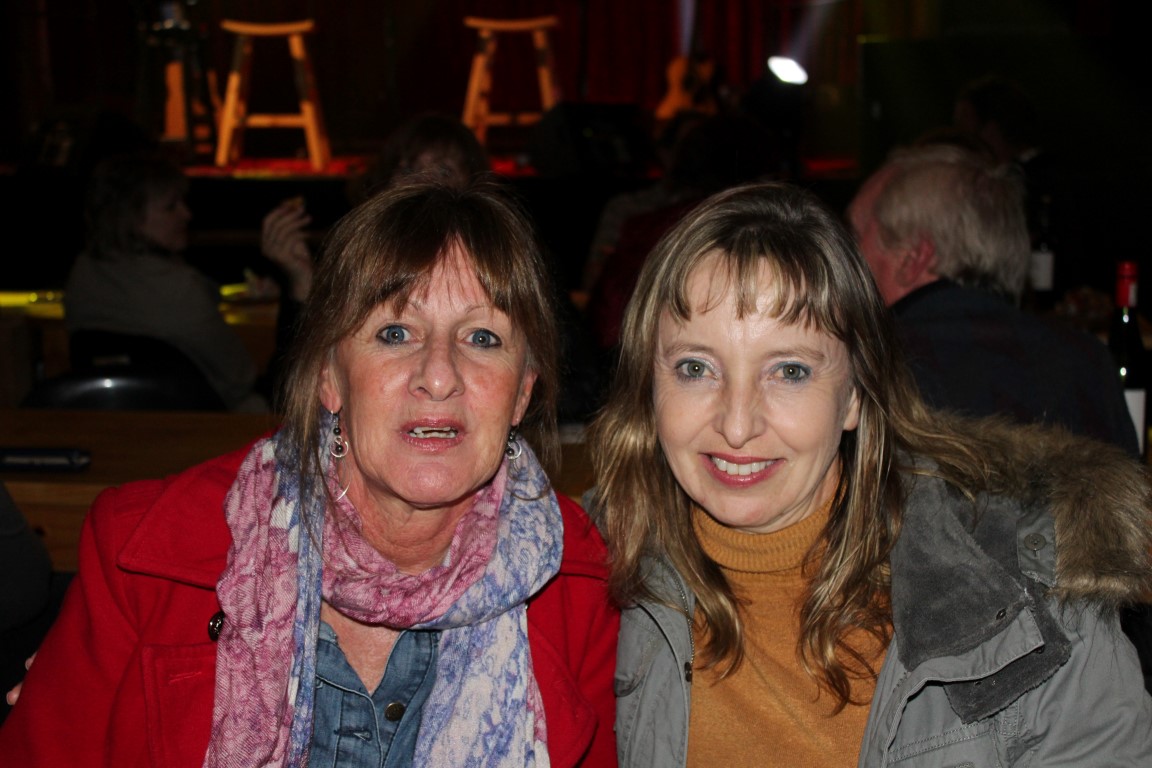
The halcyon days of a golden era, when flower power and peace were the topics of the day, the insight into Cat Stevens’s lyrics was interesting. The song, “Where Do the Children Play” is about industry and development, such as jet aircraft and roads, skyscrapers and cosmic trains, but in the end, the greed and overwhelming desire to eradicate nature leaves little space for anything else, and thus, where do the children play?

Cat Stevens hit the 1960’s pop scene with a bang, with songs such as “I Love my Dog”, “First Cut is the Deepest” and “Matthew and Son”, but the heavy workload and pop-star lifestyle took its toll and in 1968 he was diagnosed with a potentially fatal bout of tuberculosis.
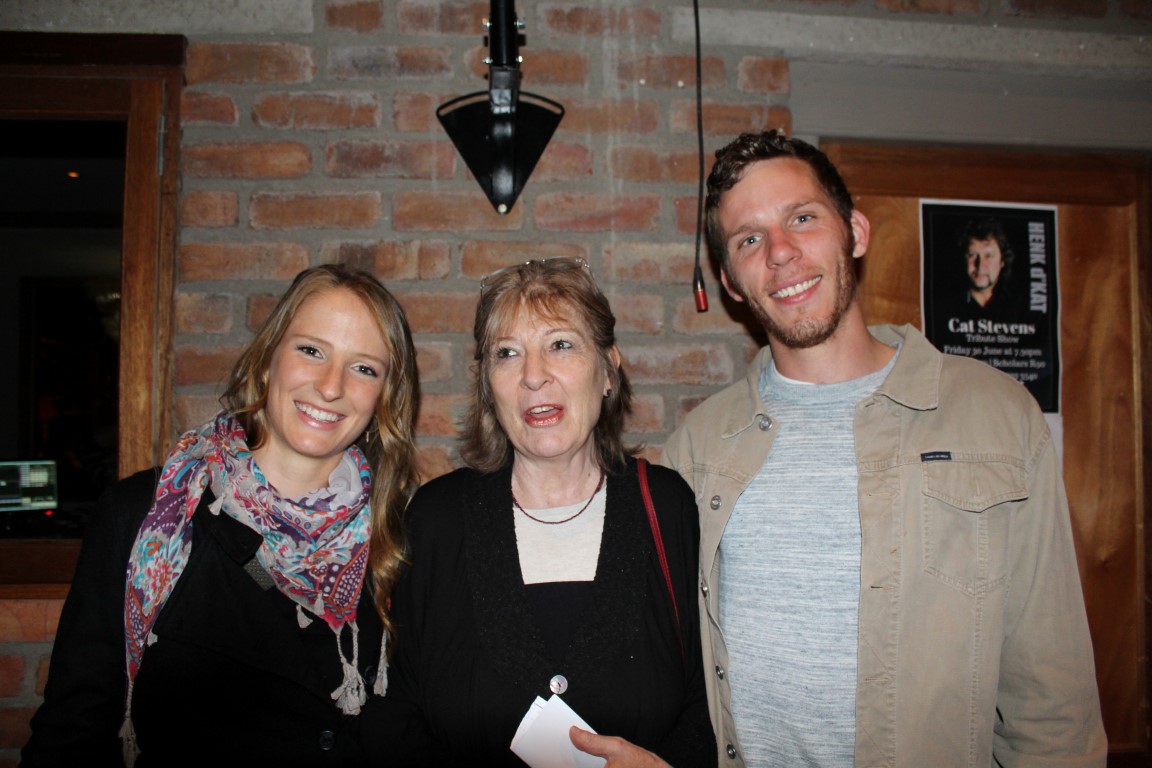
The enforced bed rest and hospital time caused him to look inwards and explore a more spiritual path, his lyrics becoming more intimate and subtle.
It was during this period he did his best work and Tea for Tillerman bears this out. Next came his 1971 opus, Teaser & the Firecat, unquestionably the album embraced by generations as one of the most beloved of all time, and the popularity of this music today pays testament to its appeal across generations and ages.

I found Botes’ more raw renditions quite different to the honeyed and smooth tones of the master himself, although that was not to say they were not fabulous. They were just different. He crooned, serenaded and murmured, but in his own way, which I feel added to rather than took away from the appeal of his interpretations, and his resounding, slightly rough voice gave the songs an almost Joe Cocker edge as he belted out the livelier versions.
Going in with certain expectations left me, for one, pleasantly surprised, as I realised that tribute means just that, not a replica of the original, but someone else paying homage to an admired artist.
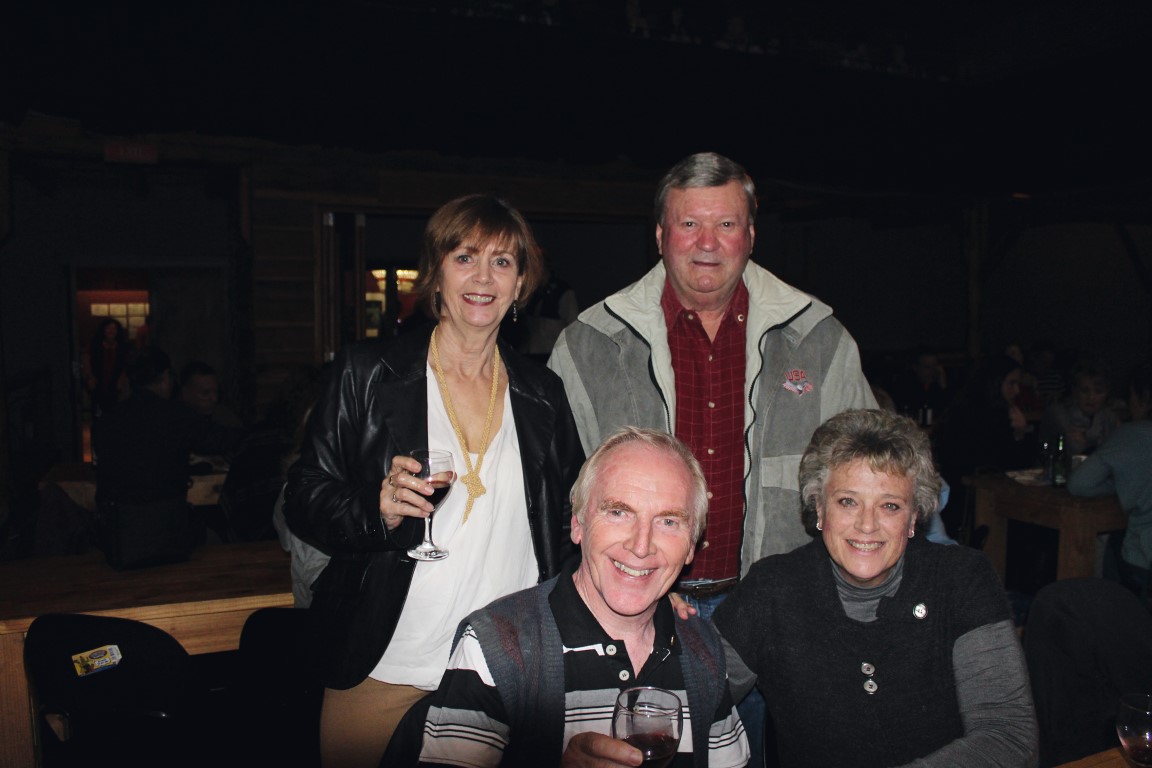
To add to the enchantment, Botes is no slouch when it comes to the guitar, and the same could certainly be said of his partner on stage, Andries Botha.
The combined guitar of these musical maestros kept the audience enthralled, and the evening was a resounding success.