How to sell a portion of your farm
Farm owners regularly request that Gerhard Lourens Incorporated assist them with subdividing their land. If you would like to do so, here is what you need to know...

If a client who is the owner of a farm (agricultural land or “farmland” as it is commonly referred to) desires to subdivide and sell a portion of his farm to another person it is usually simpler said than done.
The Subdivision of Agricultural Land Act of 1970 (“the Act”) is the single most important piece of legislation when dealing with the proposed sale of a portion of a farm only, and not the farm as a whole. According to the preamble of the Act the purpose of the Act includes:
“..to control the subdivision and, in connection therewith, the use of agricultural land”.
The implementation of the Act reaffirms the State’s aim in preventing the fragmentation of agricultural land, and the Act therefore expressly prohibits the subdivision of agricultural land into small portions which are not economically viable.
So how does one go about subdividing your farm with the view to sell a portion?
The Act prescribes that agricultural land may only be subdivided with the express written consent of the Minister of Agriculture (“the Minister”). The owner of the farm must therefore first make application to the Minister for his/her consent to the subdivision and only after such consent is given may an owner deal (transfer, sell, mortgage, etc.) the subdivided portion. This is often an expensive and drawn out exercise because the owner typically appoints attorneys, private land surveyors and other consultants to assist him with the application and, despite their best efforts, such an application may take in excess of 24 months and still be unsuccessful.

Is there any way to circumvent this requirement?
Since the Act came into operation on 2 January 1971, attorneys applied various means to circumvent the prohibitions of the Act, specifically the requirement that the Minister has to consent to the subdivision. One of the ways attorneys tried to circumvent the Act was to include a “suspensive condition” in the agreement of sale, being that the sale is subject to the Minister consenting to the subdivision. The attorneys argued that until such time as the Minister consented to the subdivision, no formal sale had taken place. Another way to circumvent this requirement was for the owner to grant an option to the purchaser to purchase the subdivided portion, allow the grantee to commence with farming operations and for the grantee to pay “consideration” over to the grantor. If consent was not granted, the “consideration” was to be refunded to the grantee.
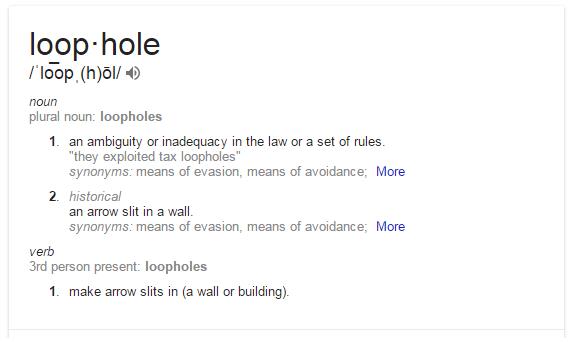
To address these “loopholes” the Act was promptly amended in 1981, by appropriately defining the term “sale” which now includes “a sale subject to a suspensive condition” and simulated sales under the guise of option agreements.
In conclusion, there are more to property sales than meets the eye and one should seek the expert advice of a conveyancer or an attorney specialising in property law, before one enters into an agreement. If you have any queries on this subject or any other property related queries please contact our office for a consultation.
Contact Gerhard Lourens Incorporated on 082-777-4548 or 013-755-2080, visit them on Facebook or visit their website.