Addressing mental health trouble in the workplace
Mental health issues impact many employees in South Africa, but with the proper care and support from employers these conditions can be managed.
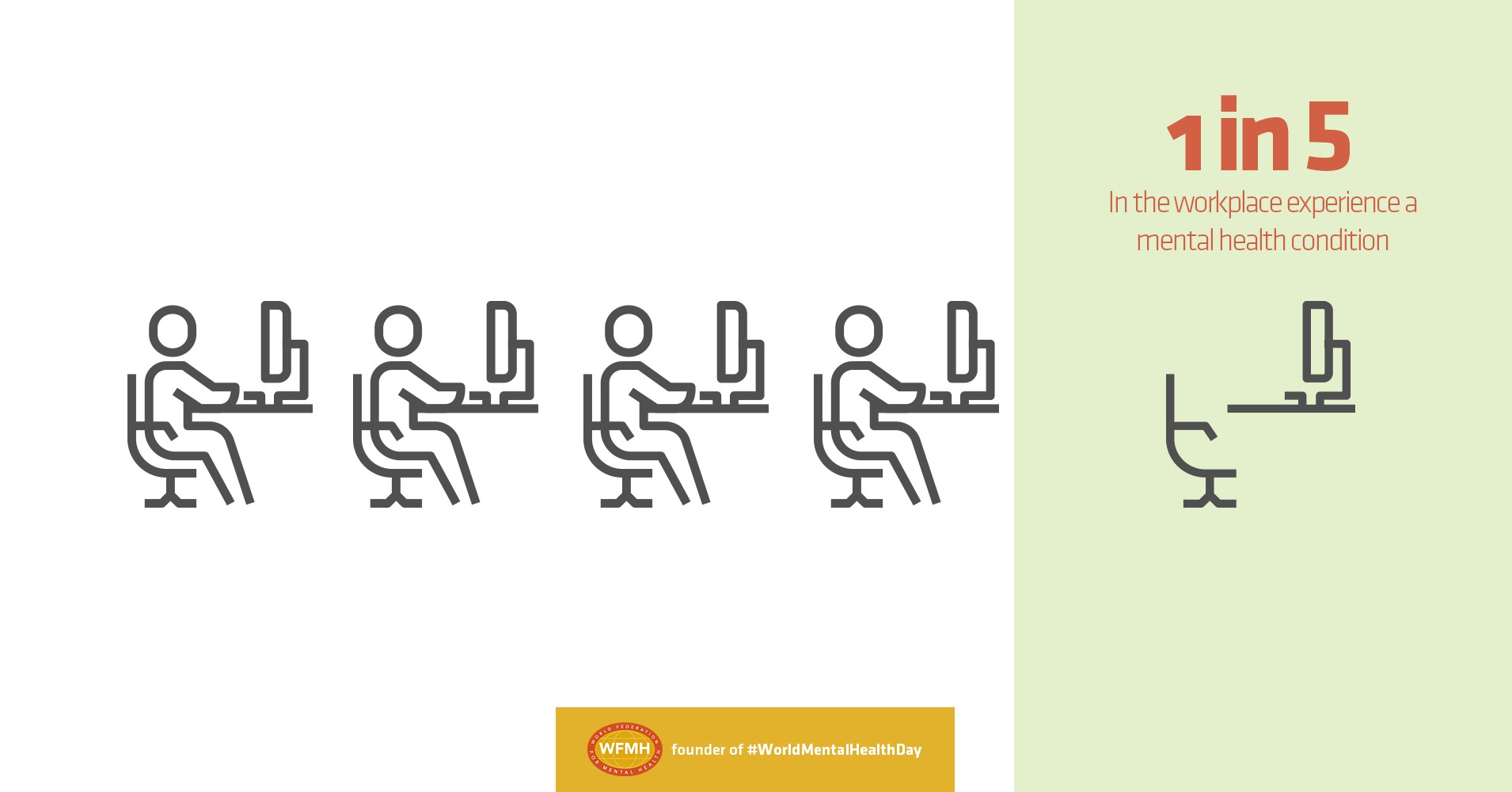
Mental health in the workplace is the theme for this year’s World Mental Health Day, observed each year on October 10.
According to a study conducted in 2016 by the London School of Economics and Political Science IDEAS think tank, “Depression costs South Africa more than R232 billion or 5,7 per cent of the country’s GDP due to lost productivity either due to absence from work or attending work while unwell”.
Read more: Sugar not so sweet for mental health
World Mental Health Day functions by way of raising awareness of mental health issues and the various methods in which people can seek support, or aid those who live with such problems.
Added to the above, the South African Depression and Anxiety Group (Sadag) recently released statistics which suggest that up to a quarter of the South African workforce suffers from mental health illnesses at some point in their career.
Read more: Virtual reality hopes to treat mental health problems
According to Sadag spokesman, Dessy Tzoneva, “Treatment for mental health has shown the best effects when medical interventions are combined with psychotherapy. Just like when a person has diabetes, with taking medication, they need to adjust their diet and make other lifestyle changes. Similarly a person with a mental illness needs to address their thoughts, feelings and behaviours, making positive changes that work with the medication.”
Dr Sebolelo Seape, chairman of the Psychiatry Management Group (PsychMG), says organisations and individuals alike need to become more aware of the reality and impact that mental health has on the workplace.
“With more than 9,7 per cent of the South African population (or 4,5 million people) suffering from depression, the chances are quite real that the person sitting next to you in the office is at some stage in their lives coping with the condition. It’s not only the duty of the individuals suffering from mental health issues, but also organisations and colleagues to fight the stigma associated with it,” said Seape.
Read more: Keep calm – panic disorders can be treated
She said the cost of presenteeism, those being at work while suffering from depression, has the most significant impact and equates to a loss of 4,23 per cent of the country’s GDP. Based on a worldwide study, the proportion lost to GDP is the highest in the world.
“In South Africa, employees are very likely to keep working during periods of depression, impacting their productivity and performance at work. This can be due to fear of losing their jobs, being ostracised from colleagues, or lack of mental health knowledge, not understanding why they are going through a spell of periods of not being well,” said Seape.
The law in South Africa states that an employee with a mental health condition has a constitutional right to equality, human dignity, reasonable accommodation and fair labour practice. An employer therefore cannot demote or transfer a person or reduce a salary because of such a condition.
According to Dr Seape, “The Employment Equity Act protects employees in the workplace but only to an extent. Since the act can’t possibly list all conditions, it leaves the employer with the power to decide what constitutes a disability and which not”.
With World Mental Health Day being observed this week, one of the most crucial things to keep in mind is the attitude with which employers and employees engage the topic of mental health in the work environment.
Therefore Sadag suggests that the attitudes which promote acceptance and openness about depression and other related illnesses could have a meaningful impact on improving workplace productivity, while acceptance and support from managers could foster a work environment which is tolerant toward those suffering from depression or other mental health conditions.
• For more information regarding your rights as employee suffering from mental illness and how to get support from your employer, visit the Department of Labour’s website.
If you would like more information on how and where you can find treatment, get in touch with Sadag on its toll-free 24-hour helpline on 0800-12-13-14 or visit its website.