Community creates sustainability through hard work
The centre was established a few years ago and is run by a group of 14 women.
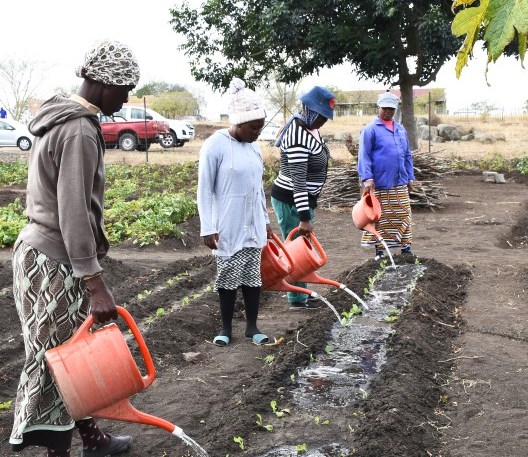
During the eighth meeting on agriculture and agrarian development of the BRICS countries (Brazil, Russia, India, China and South Africa) at the Protea Hotel Kruger Gate last week, delegates visited the Lillydale Home Based Care project in the Bohlabela District in Bushbuckridge Local Municipality.
At the centre the international delegates learned more about the project’s Vaseline and vegetables production, as well as other activities like beadwork, the creation of sleeping mats and a solar-driven computer laboratory for the youth.
The centre was established a few years ago and is run by a group of 14 women.
Its original purpose was to provide a home or shelter for victims of HIV/Aids and assist them in making a living. The project is headed by Mayina Ndlovu, a nurse by profession and has so far managed to create a total of 35 jobs.
Apart from that, it attracted more than 200 volunteers who work as caregivers.
It has since received funding for compensation of its employees from the Department of Health and Integrated Development Plan (IDP).
In 2012 the project hosted an Arbor Day celebration where the Department of Agriculture, Rural Development and Environmental Affairs donated watering cans and initiated backyard gardens at the project to supplement food for beneficiaries.
The volunteers assist community members during bereavements either by laying loved ones to rest, mending tents, provision of water or other duties required by the families. The team of volunteers sometimes conducts cleaning campaigns in order to help keep their community and the surrounds clean as part of an environmental awareness drive.
The centre currently operates on four hectares. Apart from organic vegetable farming, it produces Vaseline oil from sisal harvested nearby on an old project previously managed by the former Gazankulu Homeland government.
The sisal leaves are cut in pieces and cooked to extract the oil. This has the added benefit that it utilises the sisal plants, which is not managed anymore and is a threat to underground water. They currently hope to secure a piece of land to plant more sisal and expand the Vaseline production.
Spinach, onions, lettuce, cabbage, green peppers, chillies and sweet potatoes are planted in the vegetable gardens and the youth in the area is encouraged to start such gardens too. The produce is sold to hawkers and at local markets or supplied to crèches.
Project members learn sewing and beadwork and sell their wares to other community members.