Officials reassure community that border crime will be addressed
The burning of grazing fields, cattle theft and vehicle theft were just some of the issues discussed during a joint meeting between the Department of Community Safety, Security and Liaison (DCSSL), the SANDF, farmers and livestock owners last Thursday.
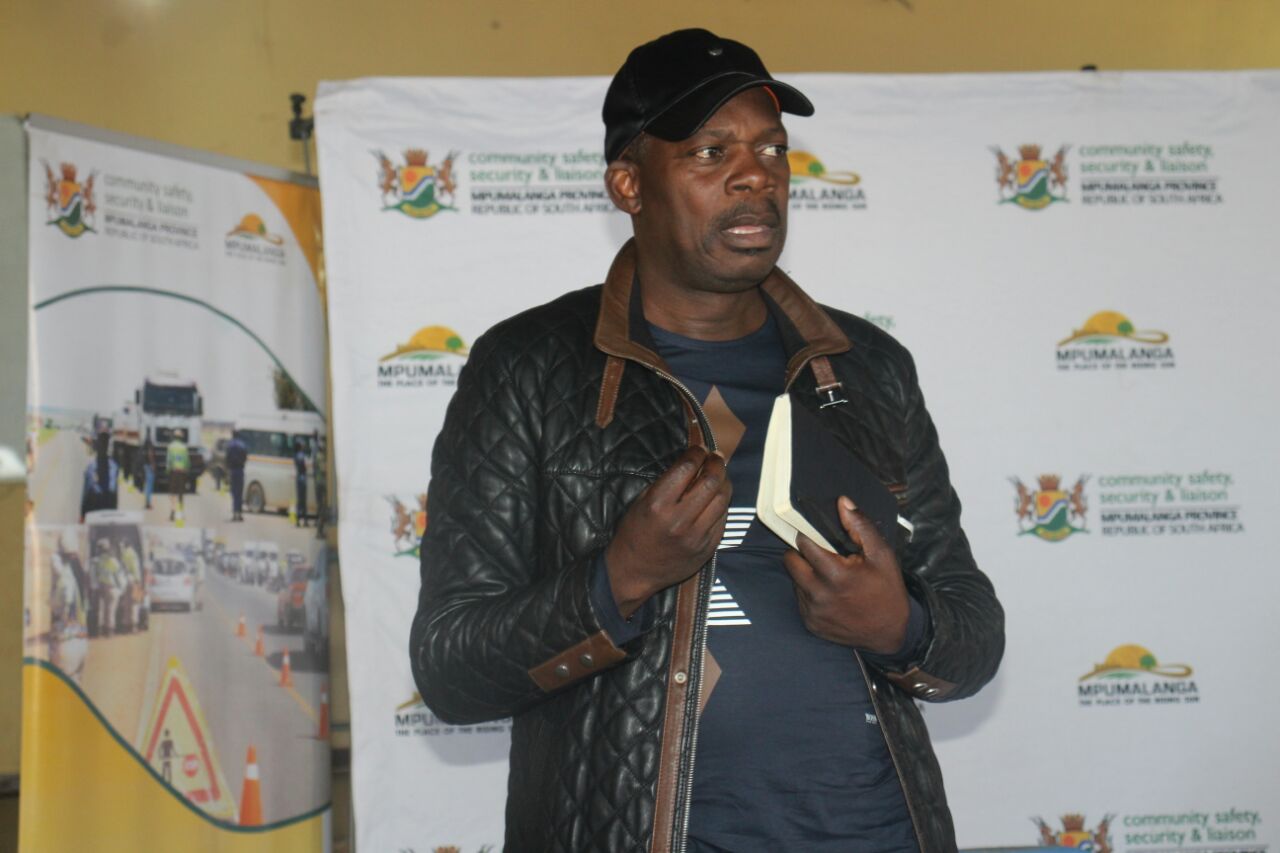
MBUZINI – A meeting between authorities, famers, livestock owners and soldiers was held at the local police station last Thursday to discuss border crime concerns.
It also aimed to keep farmers and livestock owners updated on the DCSSL’s name tag project to curb livestock theft.
READ: Government hopes to curb cattle theft with name tags
According to the local farmers and livestock owners, a lot of crime is committed during the late night, early morning hours. People are transporting illegal cigarettes, stolen guns and vehicles and livestock. They said that there is no control on the border and that soldiers burn their grazing fields or are close by when stolen cars are being transported.
They also alleged that police and soldiers transport criminals and stolen goods and are not caught because they are not searched.
This crime also has an effect on the community’s pockets as some depend on the livestock to take care of their families and ensure their children get a good education.
Lt Col Kellelo Masina from the SANDF stated that fires have been a problem for them for the past three years. “My soldiers have reported several times that fires were coming from Mozambique. This results in soldiers concentrating on the fire and giving criminals a gap to transport illegal or stolen goods. We cannot burn the grazing field because a clear field will expose us and we will not be able to position ourselves,” he said.
READ: Troops celebrate R31 million’s successes during border deployment
He explained that a hundred troops have to cover about 68 kilometres of border fence but that the number is not enough. They tried to secure as much as they can.
Soldiers work on a six-month rotation basis and are sent to the border bases such as Macadamia from other parts of the country. Masina stated that the new group has already recovered 25 stolen vehicles worth around R10 million.
He stated that soldiers spot cattle roaming the border fence every day in Dludluma but that owners do not take responsibility for them until they go missing.
Maj Genl Dorah Xaba, commander of the SAPS Tonga Cluster told attendees that communities are the ones helping criminals with their illegal activities. “In Steenbok, Dludluma and Mbuzini these criminals have safe houses to relax in before taking the stolen cars to Mozambique. If the community is failing to work with us, how do they expect things to change in a short period of time?”
Communities need to start taking responsibility for what is going on in their midst by immediately reporting illegal or suspicious activities.
Regarding livestock theft, the DCSSL is working with authorities in Mozambique and Swaziland to help track down missing livestock across borders. Owners were urged to keep a close eye on their animals and to report stolen cattle as soon as possible.
Herders will soon be required to wear nametags at all times to prove that they are allowed to herd cattle. Those that cannot produce these tags upon questioning will be treated a criminals attempting to steal cattle.
Photos of the legitimate herders have been taken and the DCSSL is busy compiling the information. Herders are expected to have access to the cards by the first week of August.
MEC Pat Ngomane concluded the meeting by telling farmers and livestock owners that problems will be resolved and that they should work with authorities to ensure the process is effective.
A meeting between the South African, Swazi and Mozambican authorities and other stakeholders is scheduled for August 3 to discuss pressing issues regarding cross-border crime.