E. coli could be possible source of mysterious diarrhoea
The Crocodile Catchment Forum (CCF) believes informal settlements could be the source or, at least, a large contributing factor to, the recent diarrhoea outbreak.
MALALANE – According to the most recent water-quality status report by the Inkomati-Usuthu Catchment Management Agency (IUCMA), most of the areas in the catchment do not comply with regard
to E. coli levels.
There are several water monitoring points in the Crocodile River, including the bridge near KaNyamazane, Malelane Gate and near Crocodile Bridge Gate.
ALSO READ: Outbreak of unknown illness kills two, affects 307
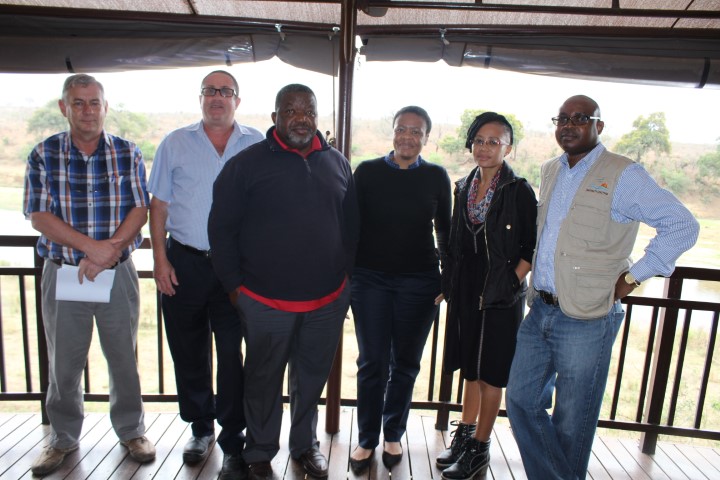
The report was presented at the quarterly CCF meeting at the Crocodile Lapa outside Malalane on Friday morning. Attendees included representatives from irrigation boards, the Kruger National Park, City of Mbombela and other stakeholders.
There was a spike in the E. coli levels in June which could explain the diarrhoea outbreak. CCF chairman Theo Dormehl asked attendees whether anyone had an idea where the outbreak could come from.
After a short silence, he stated that he believed the contamination was coming from informal settlements around the river. He explained that inadequate sewage in these places, as well as sewerage systems and waste-water treatment plants not being monitored and maintained, resulted in raw sewage seeping into water sources.
In Tekwane South, over 1 000 stands are being built and due to inadequate infrastructure, waste ends up in the dams and rivers.
In KaNyamazane, there is untreated water spilling out of an air release pipe. Residents do not know this is unsafe to drink and regularly fill up their containers for household use, Dormehl said.
The CCF chairman stated that he had visited Machadodorp due to water wastage problems, and saw that raw sewage was spilling into the river from near one of the schools.
ALSO READ: VIDEO: Land Rover engulfed in flames on Schoemanskloof, Mpumalanga
Several members mentioned that waste-water treatment works were often left unattended, which led to problems later on.
Although they were invited, representatives of the Nkomazi Local Municipality did not attend or give feedback on local challenges, and the representative of the City of Mbombela could not give much feedback on the issues on the CCF’s agenda.
These included non-compliant waste-water treatment works in White River, Rocky Drift and Barberton. During discussions, it was revealed that the municipality is in the process of refurbishing the plants and that a licence had already been granted to construct a small, one-megalitre, waste-water treatment plant next to the current one in Barberton.
At the end of July the Department of Health released a statement to warn people that the water could be the cause. The statement was later retracted as tests by several stakeholders ruled out water in the reticulation network as the source. According to authorities, the source of the outbreak is still unknown.
ALSO READ: 48 new classrooms allocated for Ehlanzeni district
Kleinste Janse van Rensburg, DA councillor in Mbombela, said nobody could tell her the real rate of immigration and population growth in the Lowveld.
“Who is planning the urbanisation? We do not know how many people to plan for and infrastructure is collapsing.”
Much of the time allotted for discussion was devoted to the problem of littering and illegal dumping. Attendees agreed that it was essential that municipal by-laws are enforced.
The water quality in the rivers are considered generally good. IUCMA representatives explained that phosphate levels are at lower, safer levels as the compound (used as a foaming agent) was removed from soaps and detergents.
ALSO READ: No more cases of corporal punishment reported at Cefups Academy
Dormehl said the CCF and stakeholders are installing probes throughout the catchment to monitor factors that indicate pollution.
Readings are taken every 12 minutes and problems can thus be monitored almost in live time via the Internet.
The CCF will meet in November to report back and see which need more intervention.