Crowding an accident scene – why you should keep your distance
That’s why it is best to move back and stand on the sidewalk or next to the road. Give them some space to carry out their.
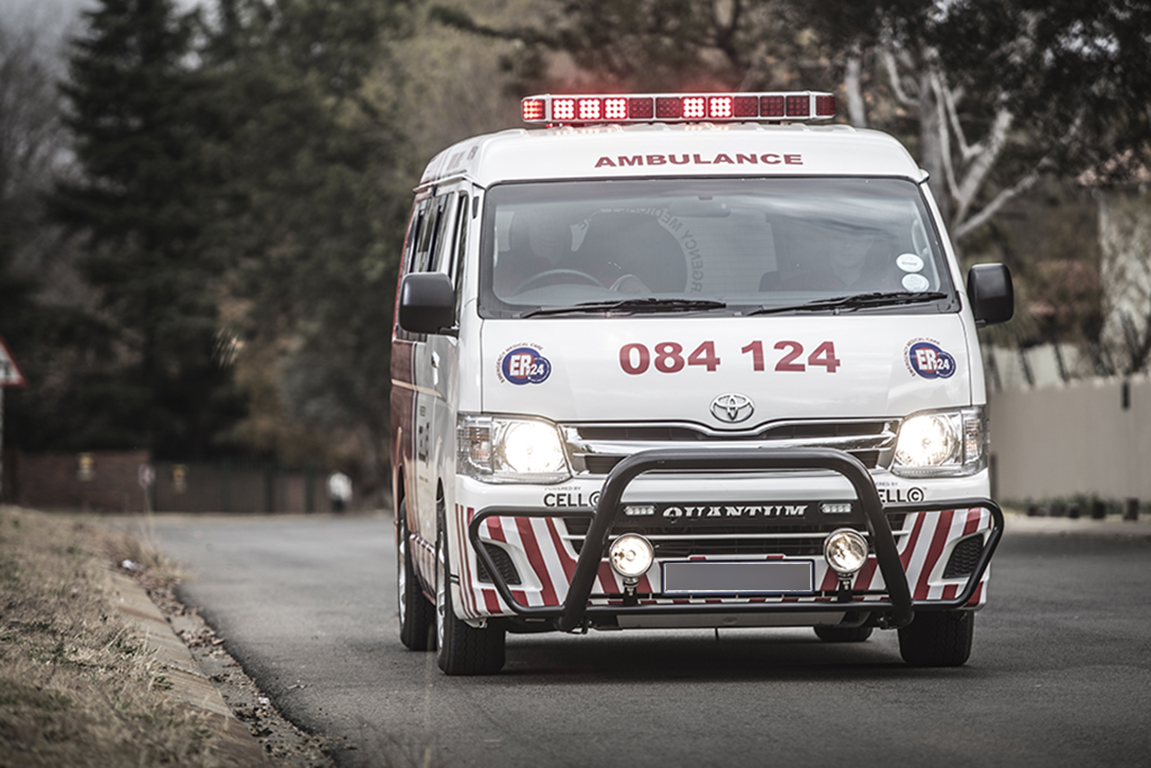
The public plays a vital role at accident scenes as they are often the first people to call for an ambulance or emergency assistance.
The public can also provide crucial bystander CPR when a patient is showing no signs of life or is not breathing. However, it is essential to clear the way for medical personnel or ambulances when they arrive at a scene to ensure that the patient gets the help they need, fast.
UPDATE: Six people dead in accident
Because people wants to see what had happened, the crowd sometimes makes it difficult for the medics to move through and access the patients who requires urgent medical help.
People often don’t want to move, and this takes precious time away from the patients who need help immediately.
The crowding or reluctance to move doesn’t just affect the medics getting to the patients, but they now also have to concern themselves about the safety of the public around them.
If there are people standing close to the medical services, they now have to worry about the patient, about themselves and everyone standing around them. The safety of members of the public also become a concern especially when it’s a road accident, and the lanes haven’t been closed off for traffic. That’s why it is best to move back and stand on the sidewalk or next to the road. Give them some space to carry out their.
Updated: Four die in multi-vehicle accident on road to Kruger Gate
As members of the public, the best thing is to always be aware of your surroundings. If medical services and the police have been notified and you hear the sirens or see them approach, move out of the way and give them space to park, work and walk freely.
One fatality and several injuries due to road accidents over the weekend
What to do at an accident scene:
• Never pull someone from a vehicle unless the vehicle is actively burning, and it is safe for you to reach the patient.
• Remember, your safety is the first priority.
• Never turn an overturned vehicle back on its wheels while a patient is still inside of it. Wait for fire and rescue services.
• Do not shake or pull on the vehicle or doors to try and free someone. Wait for fire and rescue services to use proper equipment to free the patient.
• Do not make contact with body fluids such as blood, etc. Instead, ask the patient to apply pressure with their hand on a wound, if possible. Alternatively, ensure you have gloves on before rendering any first aid. Remember to wash your hands thoroughly before you return to your vehicle or home.