Racers juggle speed with limited battery power
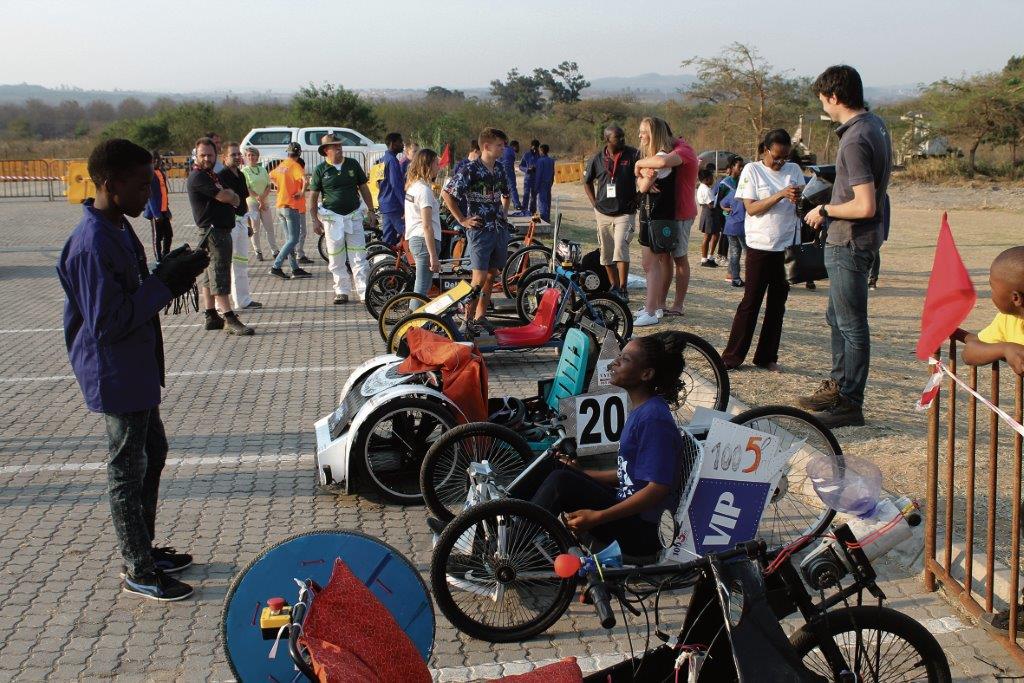
The electric vehicle challenge for schools (eV Challenge), now in its eighth year, presents participants with a race event twice a year - one day and one night race. And although different formats apply, the excitement levels are always fever pitch.
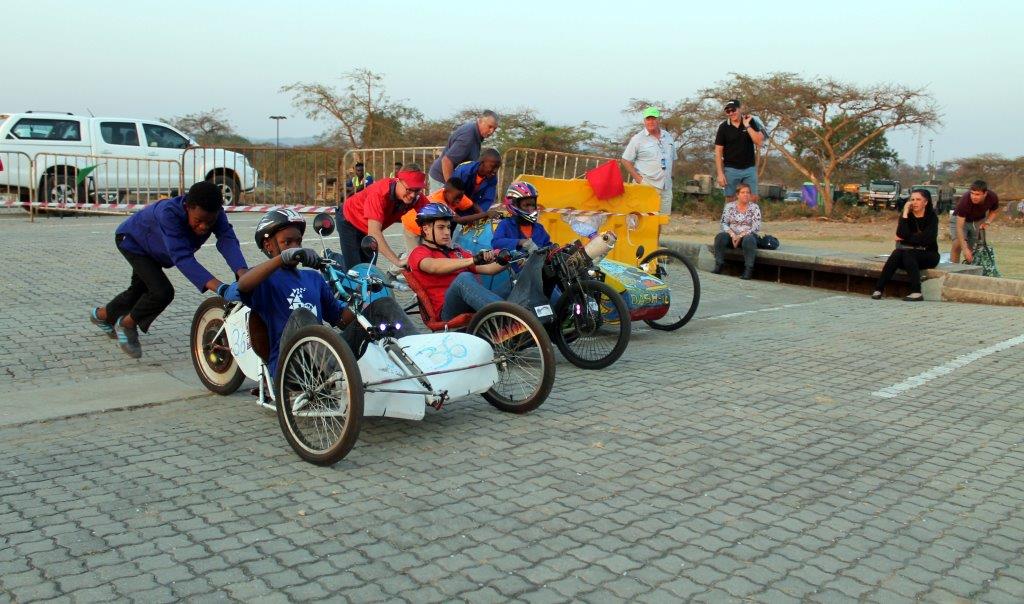
The 2019 night race was once again part of the Mpumalanga Show at the Mbombela Stadium and this year the track down at the bottom end near the 4×4 track offered a number of new challenges. It was much shorter, had no straights to write home about, and had a bumpy and challenging surface.
Not good for the well-matured constitution, but of course, for young ones it posed no threat. However, two teams were out of the race in the first lap due to mechanical issues. The width of the track also did not allow for running more than three cars per heat.
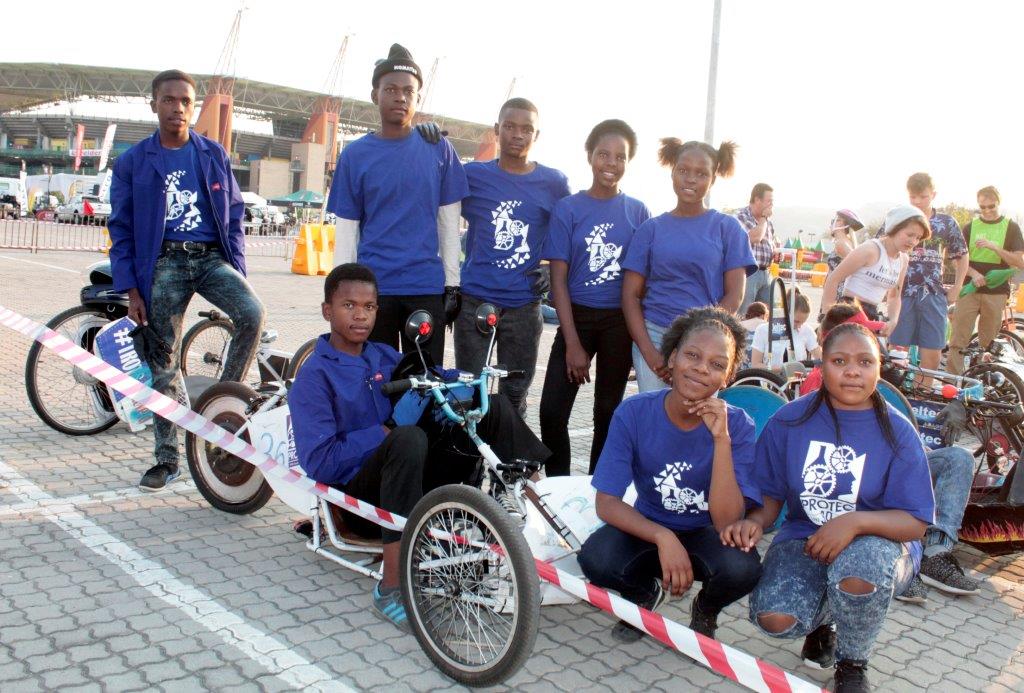
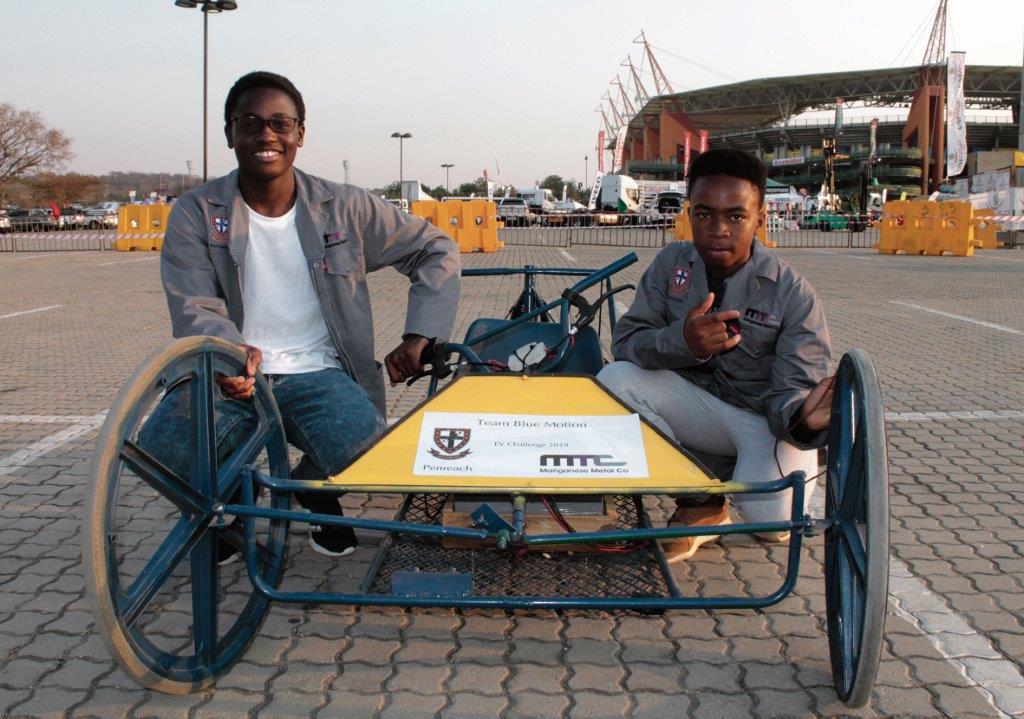
The short version, for those who do not know about the eV, is this: the competition challenges high school teams to design and build their own electric (battery-driven) car. Strict rules and specifications apply for each category and the team must drive the car around a preset track for an hour during the day race.
ALSO READ: The 2019 Lilizela Tourism Awards – a great success
This, with one set of batteries only. The night race applies an elimination format. So competitors may do fewer laps than in the day race, but they are not allowed to change batteries either, and cars must be fitted with lights.
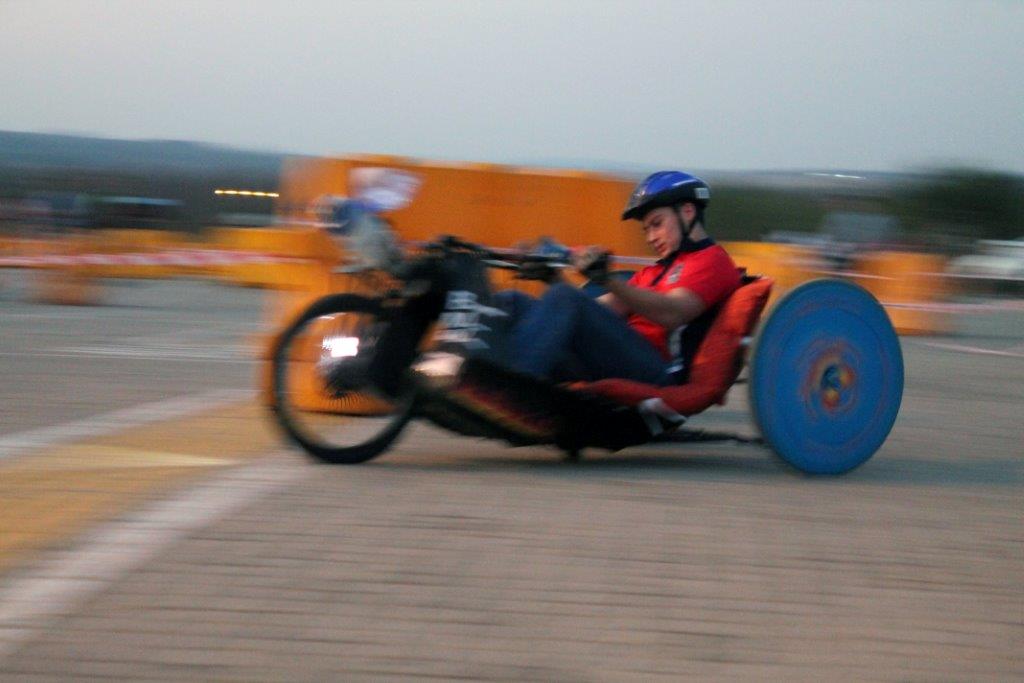
With only 12 entries, the organisers decided to run four heats with three teams/cars doing nine laps at a time. Compulsory driver changes every third lap upped the competitiveness in every heat.
Two schools that deserve mention and respect, and have been involved with the competition since inception, are Flamboyant and Dasha. I admire their spirit and commitment and the dedicated support from parents and volunteers.
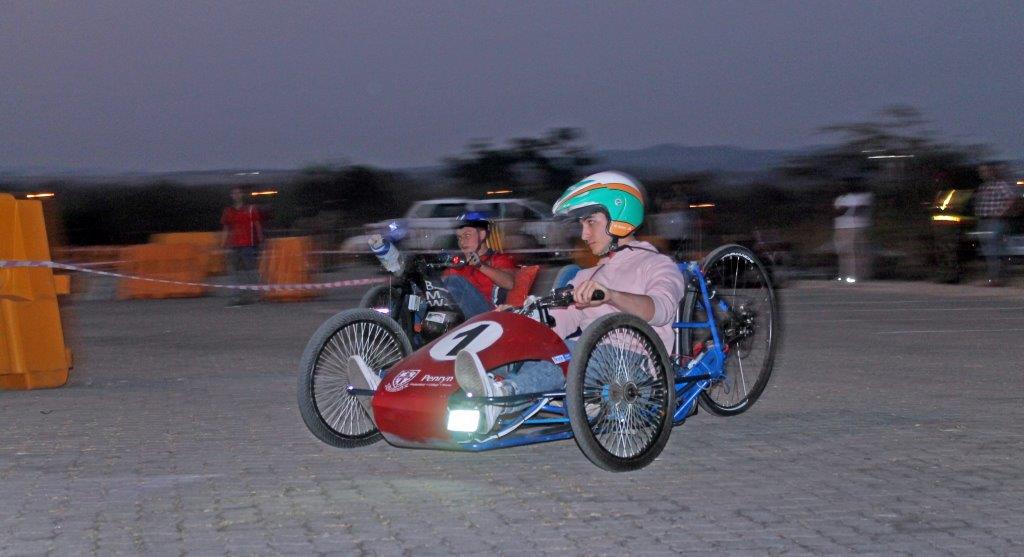
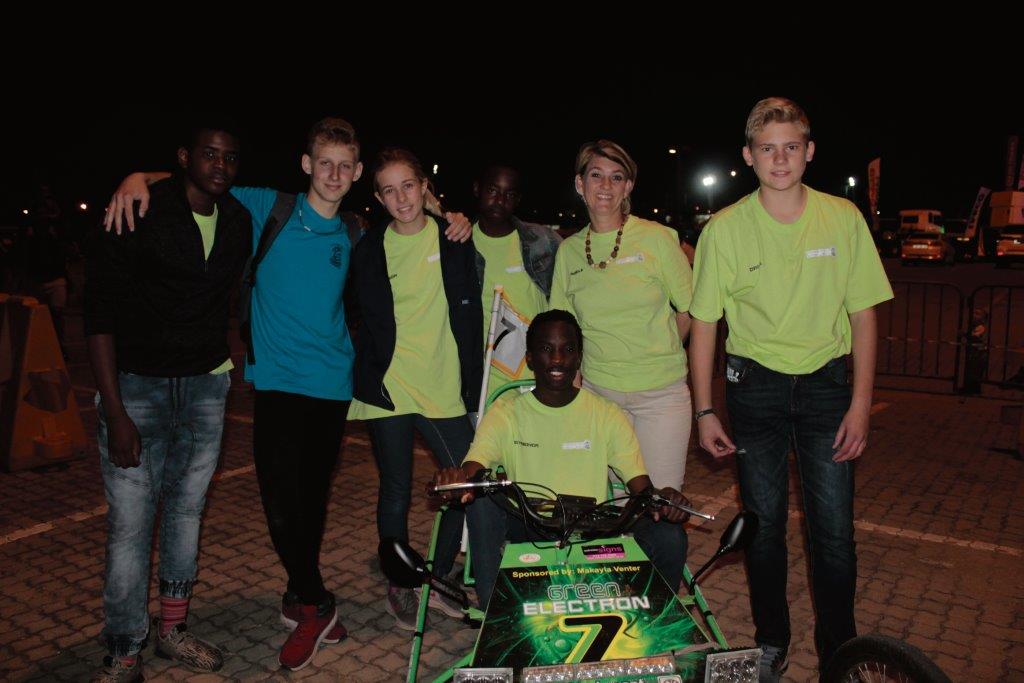
Vyfster Bakbouers, BUCO, Flamboyant, Deltec and the team from Penryn proved extremely competitive. The final heat was between Phoenix (Penryn) and Green Elektron (Flamboyant) with Phoenix eventually finishing in first place. Some of these teams indicated that they will be bringing new cars to the next event in 2020.
The winning teams of both the day and night race will, among other places, visit the Nissan factory in Rosslyn in Pretoria on September 26 and 27. The trip is sponsored by Citybug and Stay Easy Hotels.
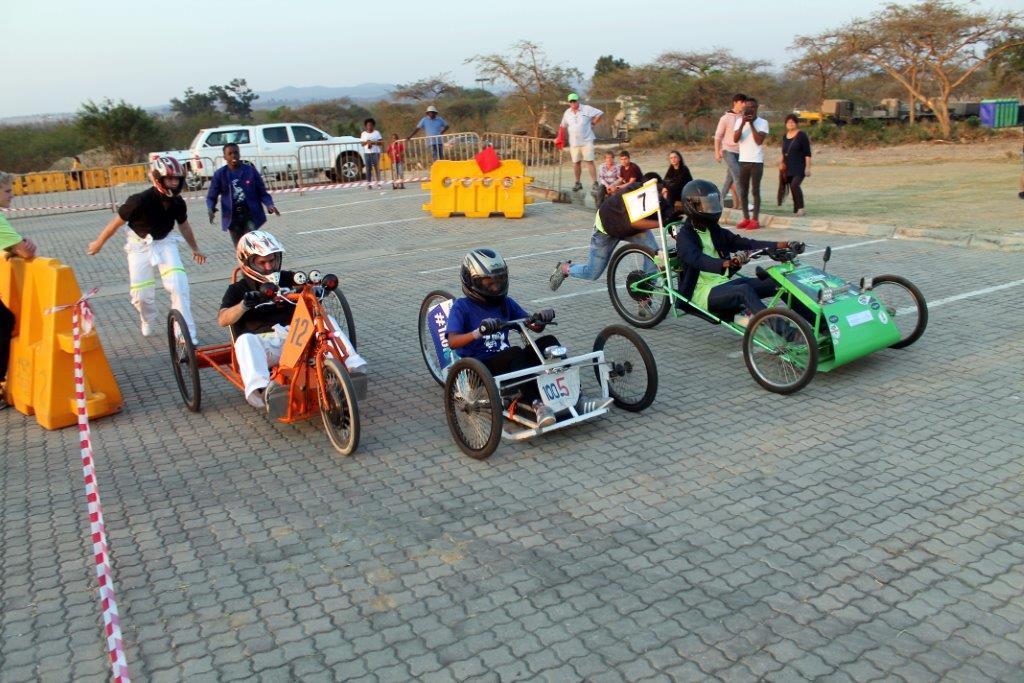
There were no new or first-time entrants at the event. I consider this a little sad, because one would love for the project to grow into a national event.
But of course, even in its most basic form, it costs money to build a car like this. Flowing from this, though, the organisers have put together a separate team, SolarFlair, of knowledgeable and passionate people, and have entered into the Sasol Solar Challenge in September 2020.
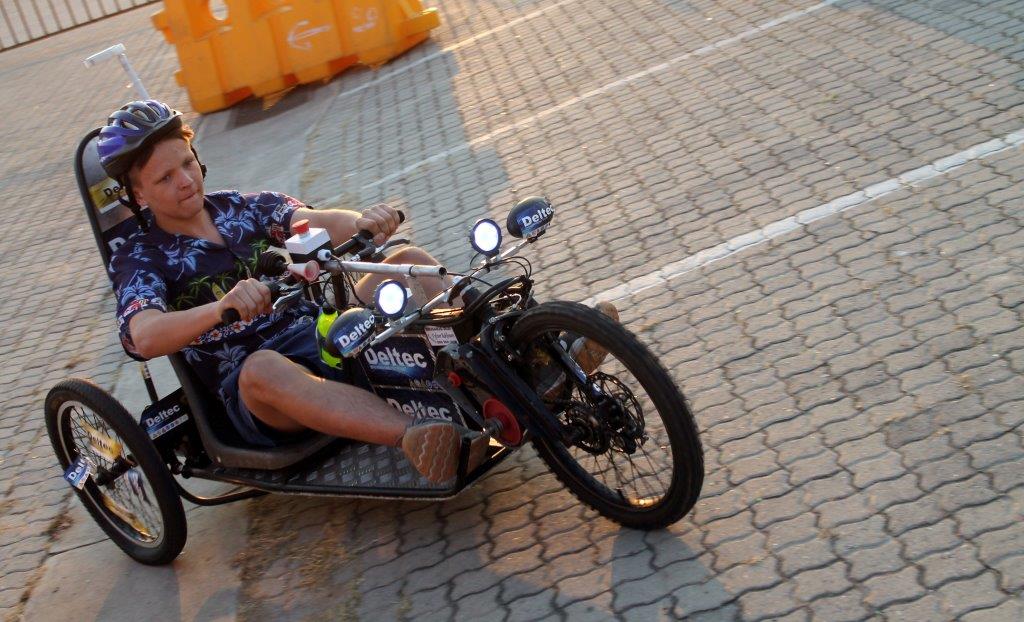
Should you interested in sponsoring one of the current school teams, or perhaps enter a new team, contact Klasie on 083-310-7317.
ALSO READ: The herald of a 50-year legacy that stands the test of time