
The importance of a will
It is vital to draft a will to cater for your loved ones should you die suddenly.
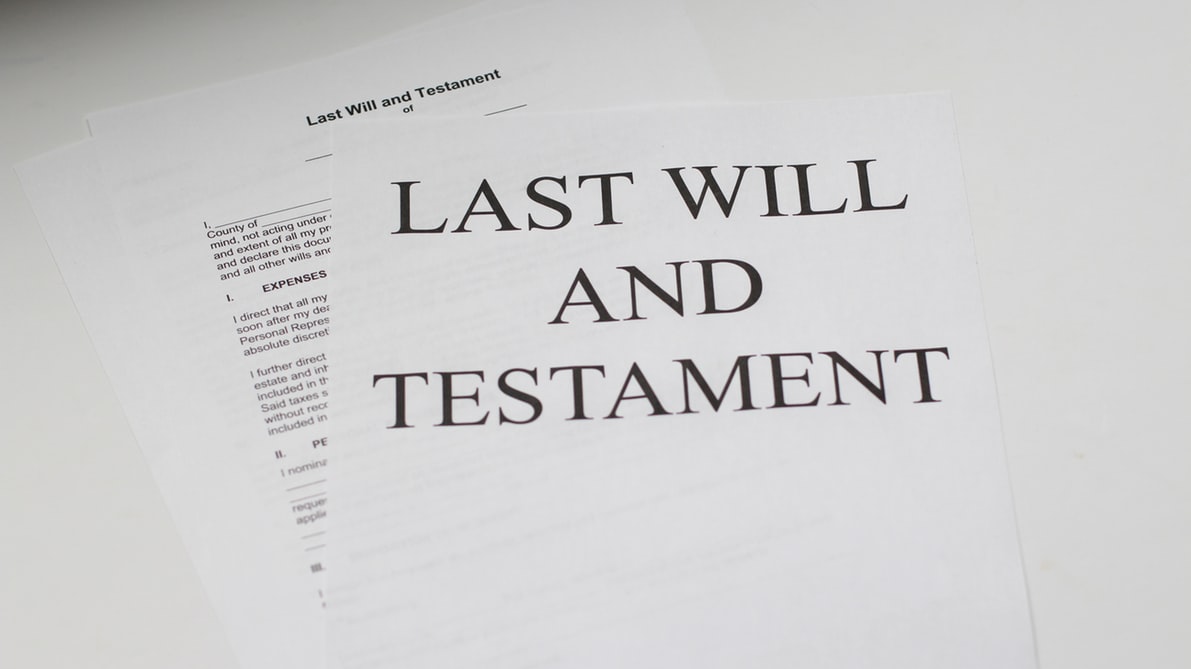
MBOMBELA – A will is a signed and witnessed legal document by which the testator can decide who will inherit what from his or her estate.
You will also need to appoint an executor of your estate in your will, as this person will report the deceased estate and look after the affairs of your surviving spouse and family members after your death. If you do not indicate such a person in your will, the Master of the High Court will need to determine who will be the executor of your estate. This might lead to interruptions in vital income.
ALSO READ: UPDATE Eskom gives clarity on the reason behind the load-shedding
It is important when you have children to state who will be the legal guardian of your children in the will, as the state will have to decide if it is not specified.
In the case of minors, a will can direct that all the assets must be placed in trust. The assets can be kept in trust until the beneficiaries turn 18, or the trust formed can describe how the money will be distributed over a period of time.
ALSO READ: Driver in Joseph Mabuza hit-and-run case still not arrested
Without a well-written will or testament, your assets will be divided in terms of the Intestate Succession Act 81 of 1987, which means that the law will dictate how your estate will devolve.
In the case of customary marriages, the intestate succession act stipulates that the spouses of the deceased will each inherit an amount of R 125 000 or a child’s share, which is equal to the portion the descendant or child of the deceased would’ve inherited, whichever amount is greater. The residue will be inherited by the deceased’s descendants.
ALSO READ: Joubert & Seuns environmental case postponed to December
If the value of the estate is less than R125 000, the surviving spouse or spouses will inherit the whole estate and the children or descendants of the deceased will not inherit at all.
If a person dies intestate, the matrimonial property regime will still have an effect on the distribution of the estate. The surviving spouse of a marriage in community of property will first receive his or her undivided half share of the joint estate before the estate is divided and the other half will devolve according to the rules of intestate succession towards the descendants and relatives.