The dreaded African Horse Sickness season is closing in
Horse owners have been cautioned to implement strict biosecurity measures in an effort to contain the upcoming African horse sickness (AHS) season in South Africa.
African horse sickness (AHS) is a highly infectious and deadly disease caused by African horse sickness virus. It commonly affects horses, mules, and donkeys. Dogs can become infected by eating (oral) contaminated horsemeat.
It is caused by a virus of the genus Orbivirus belonging to the family Reoviridae. This disease can be caused by any of the nine serotypes of this virus.
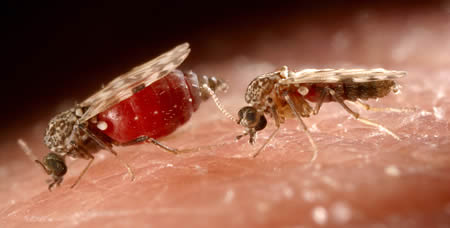
The best way to protect animals from African horse sickness is to decrease their exposure to biting midges and other insects (mosquitoes and biting flies).
ALSO READ: Elephant shot dead in KNP staff village
Stabling horses in insect-proof housing, particularly between dusk and dawn when the insects are most active, can help prevent exposure.
African horse sickness (AHS) is a highly infectious non-contagious, vector born viral disease affecting all species of Equidae. Death is common and can occur suddenly.
African horse sickness can affect horses, donkeys, mules, zebras, camels and dogs. Zebras and donkeys rarely develop serious disease.
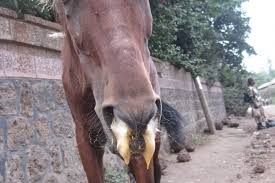
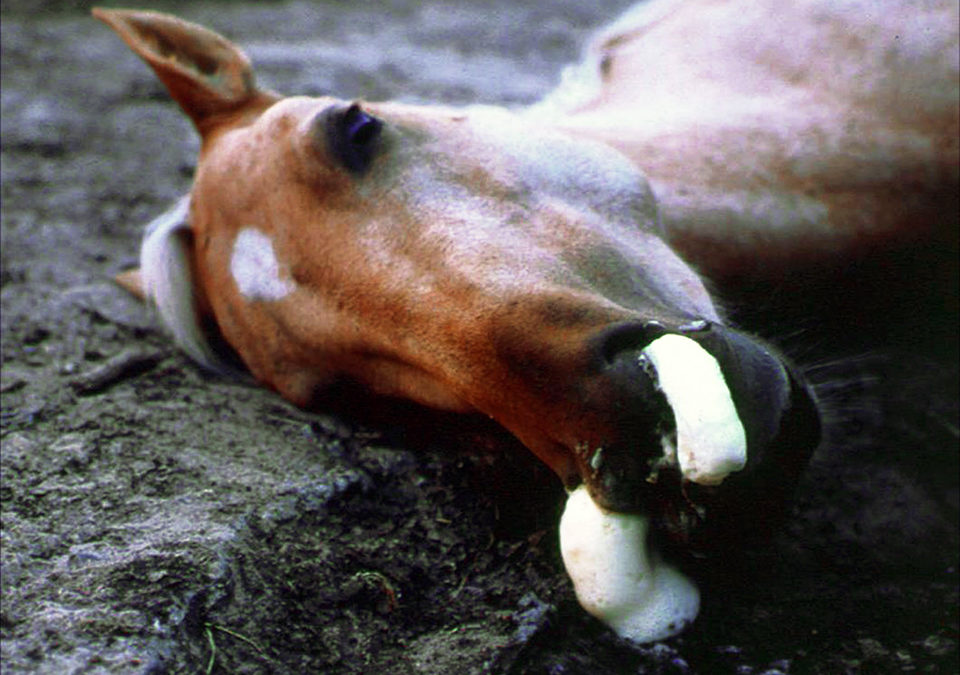
African horse sickness can cause respiratory (lung) disease, cardiac (heart) disease, or a cyclic fever. Death rates can be as high as 95% for some forms of the disease.
Contact your veterinarian immediately. Suspicion of disease requires immediate attention. How can I protect my animals from African horse sickness? The best way to protect animals from African horse sickness is to decrease their exposure to biting midges and other insects.
Stabling horses in insect-proof housing, particularly between dusk and dawn when the insects are most active, can help prevent exposure. Insect repellents and insecticides may also be useful. Monitor your horse’s temperature. Horses with fevers should be examined by your veterinarian.