Coronavirus (COVID-19) myths debunked
Separate fears from facts and prevent panic across South Africa.
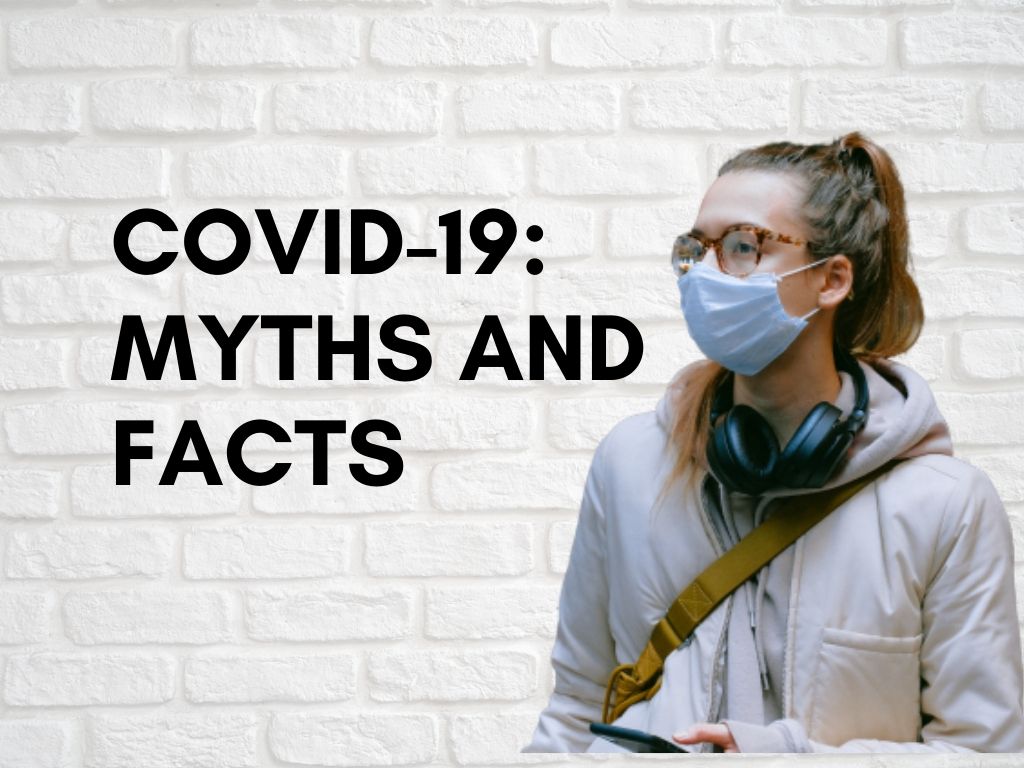
Suddenly it is real. Coronavirus (COVID-19) has affected more than 60 South Africans and a national state of disaster was declared by President Cyril Ramaphosa on Sunday.
Up until recently, we read that it was spreading from China in other countries. The problem felt far-removed. Now that we find ourselves in the firing line, we must guard our thoughts and dialogues. Any great soldier will tell you that he who keeps his wits at moments like these, emerges triumphantly from battle.
The 2020 Commonwealth Health Report contains a warning from Elhadj As Sy, the co-chairperson of the Global Preparedness Monitoring Board and former secretary general of the International Federation of Red Cross and Red Crescent Societies. In an article titled “Pandemic preparedness must be prioritised,” Sy writes: “As the coronavirus continues to spread, ensuring that communities are properly informed, know how to protect themselves and trust the medical response, will be crucial to controlling the outbreak”.
Someone who fails to keep their wits, ends up grasping at straws. In this online era where the exchange of information on a massive scale characterises society, we must guard against grasping at fake news as it is a recipe for total chaos.
Fake news is also called disinformation or misinformation. The former occurs intentionally and the latter by accident. Social media platforms have been flooded with disinformation ranging from conspiracy theories to medical quackery claiming cures. This ultimately causes baseless panic – a state in which having one’s wits about you is impossible.
We need to cease causing panic by sharing misinformation and disinformation. The duty to filter through available information and discard what is untrue rests on all of us.
Caxton Local Media has been investigating some myths posing as facts and shares insights gained from reliable sources and experts.
- MYTH: Someone deliberately created and released the COVID-19 virus.
- FACT: According to Dr Lisa Maragakis, senior director of infection prevention at America’s Johns Hopkins research hospital, a disease outbreak happens when a virus that is common in animals transforms and passes on to humans (diseases that pass from animals to humans are called zoonoses). Maragakis believes that this is how the 2019 strain of the coronavirus probably came to be.
- MYTH: Heat kills COVID-19. Some claims allege that drinking hot water, taking a warm bath or even blowing warm air into the sinuses using a hairdryer can cure the disease. It has also been alleged that summer temperatures above 26 degrees Celsius will make it disappear.
- FACT: The World Health Organisation (WHO) have warned against these false statements. According to the WHO, there is no conclusive scientific proof to corroborate the suggestion that heat will cure patients with COVID-19. A statement advising people to take hot baths and avoid ice cream was circulated online featuring the United Nations Children’s Fund (UNICEF) logo. The organisation has since indicated that the post did not originate from them.
- MYTH: Gargle with bleach or ingest it to protect yourself from COVID-19. Some social media messages also state that essential oils, salt water, ethanol and bicarbonate of soda can protect people from the virus.
- FACT: Drinking or gargling with bleach is dangerous. Its active ingredient, sodium hypo chloride, is corrosive and could burn your stomach and 0esophagus. The World Health Organisation confirmed that no confirmed cure exists, including those in the myth above. The WHO reiterates that the most effective way to protect oneself against the new coronavirus is by frequently cleaning your hands with alcohol-based hand sanitiser or by washing them with soap and water.
- MYTH: Spraying alcohol or chlorine all over your body can kill the coronavirus
- FACT: According to Maragakis and the WHO, this is untrue. She explains that spraying them could harm your mucus membranes. She adds that these items can, however, be used to disinfect surfaces, which has been cited by the WHO as another way to limit the spreading of the disease.
Also read: Parts of local hospital close down following corona infection
Also read: Local surgeon tested positive for coronavirus
- Notice: Coronavirus reporting at Caxton Local Media aims to combat fake news
Dear reader,
As your local news provider, we have the duty of keeping you factually informed on COVID-19 developments. As you may have noticed, mis- and disinformation (also known as “fake news”) is circulating online. Caxton Local Media is determined to filter through the masses of information doing the rounds and to separate truth from untruth in order to keep you adequately informed. Local newsrooms follow a strict pre-publication fact-checking protocol. A national task team has been established to assist in bringing you credible news reports on COVID-19.
Readers with any comments or queries may contact National Group Editor Irma Green (irma@caxton.co.za) or Legal Adviser Helene Eloff (helene@caxton.co.za).