Psychological dynamics of the lockdown
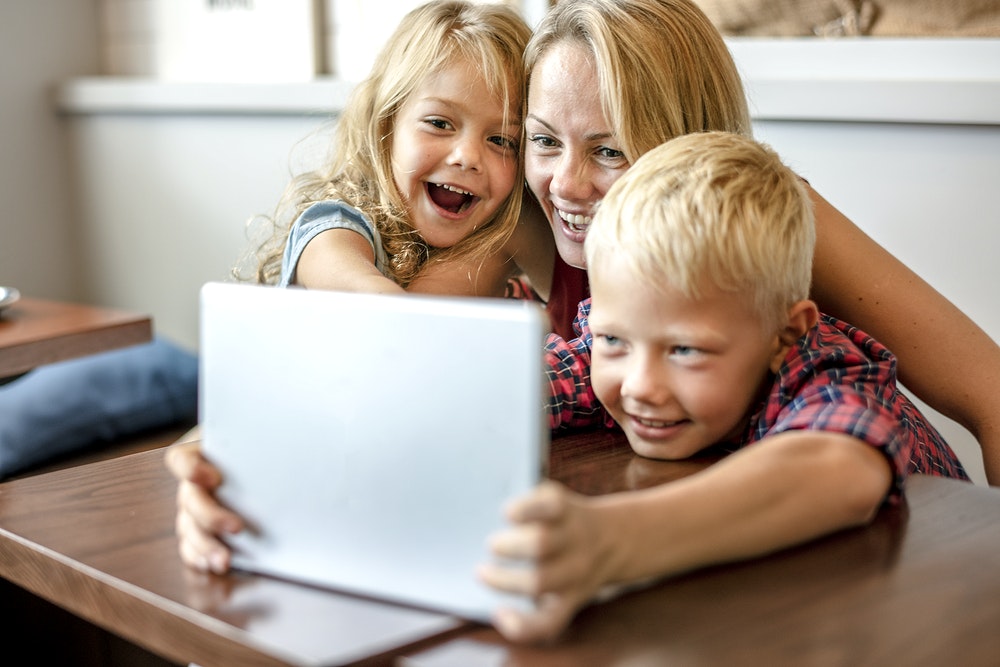
"We are in the 21st century with many amazing tools at our fingertips that we don't use nearly enough. Schedule family dates through Zoom, WhatsApp video calls or other social-media apps. It does not just have to be a conversation, you can play games together or tell stories, the options are endless."
The lockdown has changed the dynamics of everyday life in almost every way possible.
Workaholics are now forced to stay home, women and men who are in abusive relationships are forced to spend more time with their abuser, families have changed the way everything is done in their homes, and those that are alone are more at risk than ever in terms of suicidal thoughts.
“People need to remember that they ARE allowed to go to or phone the police when domestic violence occurs,” said Jackie Fleetwood, a clinical psychologist from Hometree Therapy Centre in Mbombela.
“If it’s necessary they can also acquire a court order.”
Fleetwood continues to mention the high risk of alcohol and drug withdrawal within the lockdown period when these substances are not freely available.
“Withdrawal can be extremely dangerous. If people are struggling to cope with, or are suffering from serious withdrawal symptoms, please need to call their house doctor or go to the emergency room in extreme cases.”
ALSO READ: The psychological impact of lockdown according to a clinical psychologist
Fleetwood mentioned that psychologists and counsellors are able to do teletherapy, which is an online session for people in need of urgent support.
As for workaholics, who are actually anxious persons by nature, Fleetwood said that the best solution is to keep themselves busy with functional tasks like home maintenance, but they need to be aware that they often get frustrated with everybody at home who do not have to keep busy all the time, like they need to do.
It may help them to play board games with the family or even build a puzzle.
Fleetwood also expressed concern over people who are living alone in this time.
“People, especially the elderly, who live alone can get injured and not have anyone to help,” she said.
Fleetwood advised that people on their own they are part of the global community and are not the only person isolated. She emphasised the importance of staying in contact with family and acquaintances, as lonely people tend to withdraw even more and by doing so, reinforce their loneliness.
Try to think of it as “I am with myself” and take good care of yourself for those who love you.
“People who are also very close to their family and have to stay away from them can experience feeling down due to the feeling of loss.”
She described some creative ways that people can reach out and make contact with their loved ones.
ALSO READ: Meds crisis diagnosed and cured
“We are in the 21st century with many amazing tools at our fingertips that we don’t use nearly enough. Schedule family dates through Zoom, WhatsApp video calls or other social-media apps. It does not just have to be a conversation, you can play games together or tell stories, the options are endless,” she said.
This is also a time that people are realising what they had.
Fleetwood explained that there is an exchange between loss and finding new opportunities.
“People will realise that what they had was valuable. This will hopefully strengthen relationships in the future, people will have deeper more meaningful conversations and will say things that they were maybe once too scared to say.
“Acknowledge what you’ve lost, but be aware of the opportunities you have and what you can create and develop from that.”
Fleetwood concluded by calling the lockdown circumstances a “good bad thing”.
“It’s a bad situation that ultimately bears good fruit – people will have more meaningful conversations and make more time to be with one another once all of this is over.”
ALSO READ: Mpumalanga Department of Health urges Malelane SUPERSPAR patrons to get tested