A new lens on an old problem: new insights into alien species management
According to a recent press release by SANParks, a new study has revealed that changing the resolution of data used in alien species management can revolutionise how they are managed.
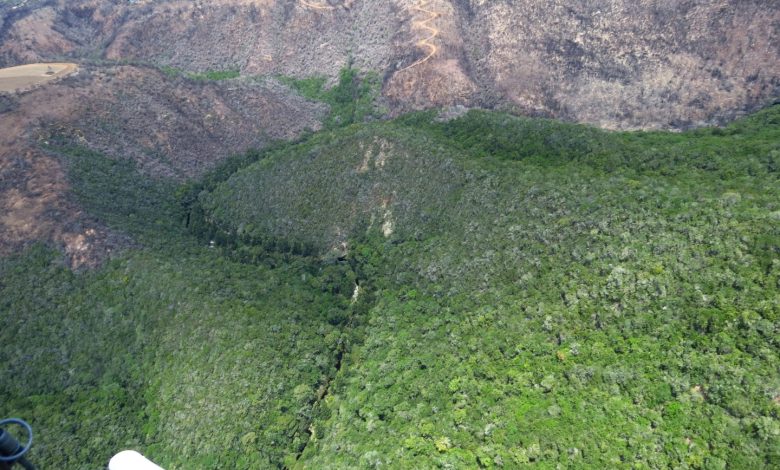
In a new study, SANParks researchers and their collaborators of the Centre for Invasion Biology put a theoretical commonness framework to the test to demonstrate how changing the resolution of data used in alien species management can revolutionise how we manage them.
Alien plants are those that are introduced by people from other parts of the world to areas where they did not occur naturally. These plants have few natural enemies in their new range and can have very dramatic impacts, taking over from naturally occurring species, displacing birds and other animals and impacting people through, for example, decreasing agricultural productivity, increasing fire frequency and using large amounts of water.
ALSO READ: Open the throttle to first-class rock
Managing alien plants is challenging and there is often a trade-off between prioritising which species to tackle and ensuring that priority areas are kept free of aliens. In the study, published in the Journal of Applied Ecology, the researchers use a “Commonness framework” to quantify patterns of plant invasion when viewed at increasingly coarse spatial resolution. The framework uses fine-scale information, from a staggering 10 000 sample plots, to classify species into one of nine commonness classes based on their population size, the extent of their range and how clumped or dispersed they are. Each commonness class can be associated with a particular best-fit management strategy.
The study demonstrated that different management strategies were appropriate for the same species in different parts of its invasive range, and how these nuances are often obscured through use of coarse scale data that frequently drives management decisions. The authors further demonstrate how to use the range dynamic metrics in the framework to tailor management interventions to minimise the spread of invasive alien plants.
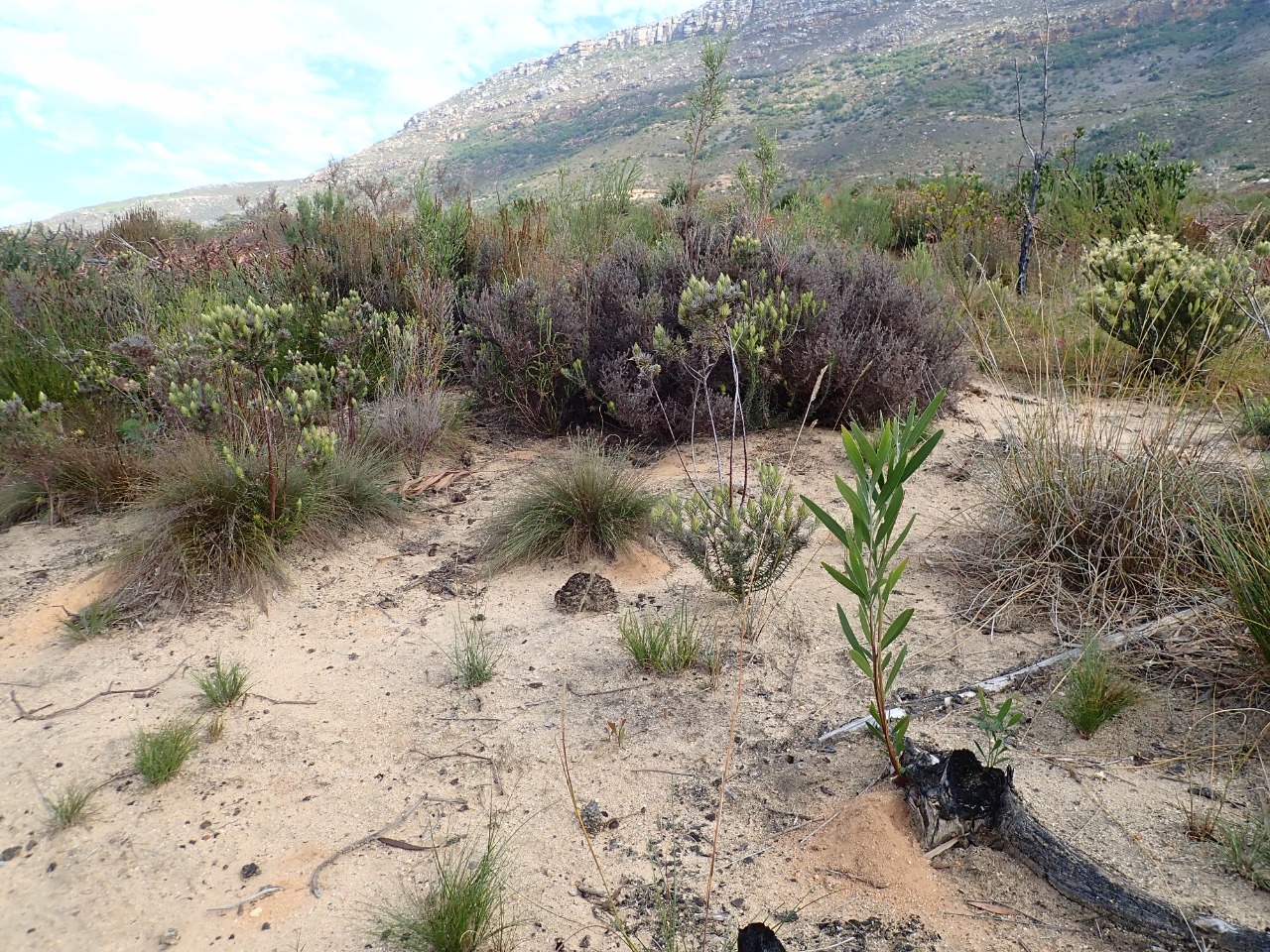
Dr Chad Cheney, lead author of the study, a park planner of Table Mountain National Park, and former PhD student at the Centre for Invasion Biology at Stellenbosch University, says, “Use of this framework allows us to reconcile area based and species based management strategies by determining the phase of invasion of each species in each management unit and tailoring the management strategy accordingly”.
Dr Nicola van Wilgen, a South African National Park scientist and research associate of the Centre for Invasion Biology at Stellenbosch University, who assisted Cheney with the data analysis says, “There are a number of management strategies that are currently under-utilised by managers. For example, reconnaissance of an area to detect individual plants that if left untreated would lead to invasion of new areas”.
ALSO READ: Save the date for Pro-Life’s 9th birthday bash
Prof Karen Esler of Stellenbosch University, who contributed to the paper, adds, “We often visualise a particular species’ commonness based on what we observe in the broader landscape. As a result, eradication from a particular area is not considered because the species is known to be widespread. Our data however show that there are several species that could be targeted for eradication in the study area”.
Prof Melodie McGeoch of Monash University, in Australia, who published the original framework, notes, “Science is always seeking to develop novel theoretical approaches, but to be able to demonstrate their utility in practice is the true hallmark of success. We look forward to continued advances in this field”.
Associate Prof Llewellyn Foxcroft, a South African National Parks’ scientist, and Core Team Member of the Centre for Invasion Biology at Stellenbosch University, who contributed to the paper, says, “Protected areas have a particular responsibility to minimise the impact of invasive species. This study provides us with significant insight into how we can better achieve this”.
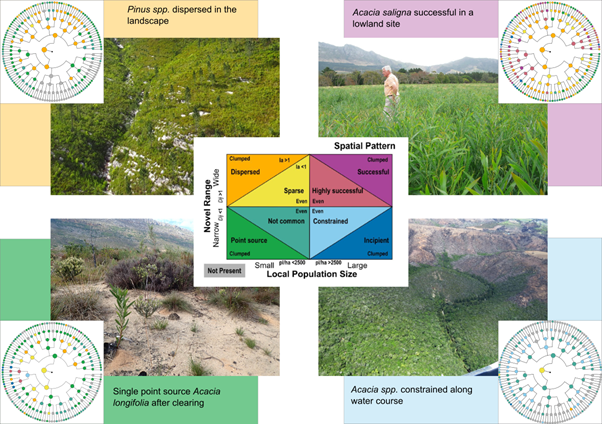
The commonness framework can be used to class a species on a spectrum from “Not present” through “Not common” to “Highly successful”. These classes will be different in different parts of a species’ range, and change depending on how coarse the data used to derive the metrics are. Change in these classes through space and at different spatial resolution have been demonstrated in this study using phylo-trees. These trees show the number of management units and the commonness class of the species in question as determined at that resolution. Each class is associated with a particular management strategy. As a result different strategies are required for the same species in different parts of the study area and as areas are clumped together at coarser scales.
The full article is available for free (for a limited time) here:
Citation
Cheney, C., van Wilgen, N.J., Esler, K.J., Foxcroft, L.C. & McGeoch, M.A. Quantifying range structure to inform management in invaded landscapes. Journal of Applied Ecology. DOI: doi/10.1111/1365-2664.13765
Contact
For further information, please contact Dr Chad Cheney: T: +27 (0) 72 424 0404; chad.cheney@sanparks.org