WWF SA bolsters the fight against wildlife crime
The World Wide Fund for Nature (WWF) South Africa, with the support of the United States Agency for International Development (USAID), recently donated 15 wildlife crime scene kits to the SAPS and SANParks.
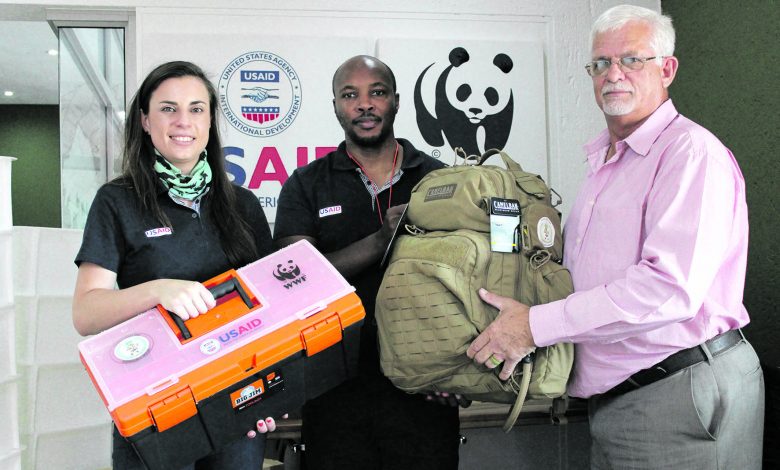
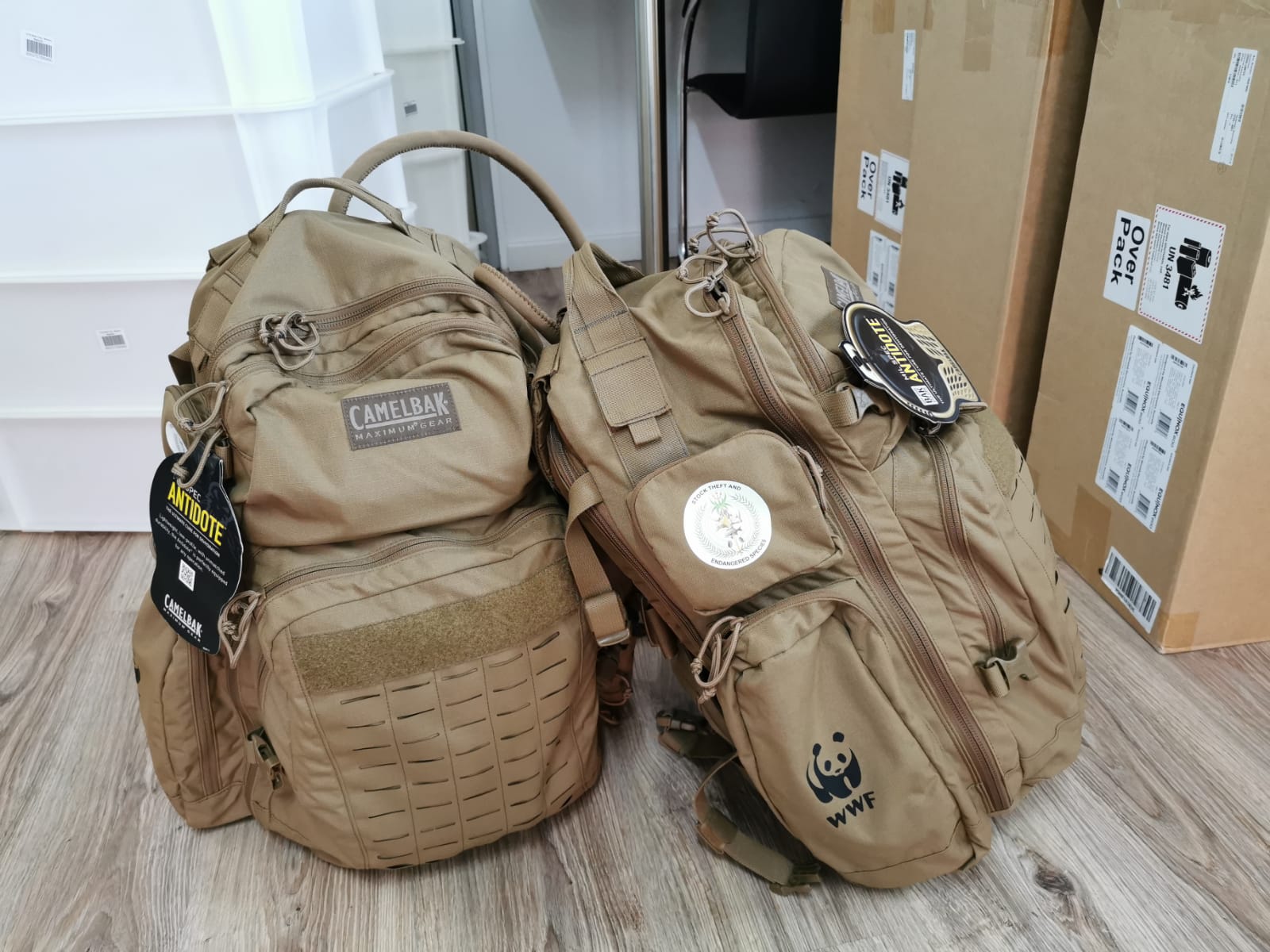
Collectively, these kits are valued at R584 000. They comprise all the tools an investigator might need to secure a wildlife crime scene and collect evidence.
This includes backpacks, metal detectors, toolboxes, GPS, ropes, frame markers, flags, measuring tape, cones, ballistic rods, magnifying glasses, knives, clipboards, tweezers, steel hooks, handsaws, bleach, scales, headlamps, containers, plastic bags, and so on.
The donation was done through the Khetha programme to support these organisations’ efforts in investigating and prosecuting rhino horn and elephant ivory trafficking.
The Khetha initiative works closely with the South African and Mozambican governments, as well as local NGOs, the private sector, civil society and communities living in and close to areas affected by wildlife crime, such as the Greater Kruger.
ALSO READ: Snares: An inhumane loss of animal life
Together, they aim to reduce the impact of illegal wildlife trade on people, elephant, and rhino. Lara Rall, project implementation and communications manager, said, “Our strategy is to work with partners to test and prove approaches to make sense of and mitigate some of the long-term and underlying drivers behind wildlife trafficking in our landscape.
“At the same time, we recognise that ongoing deterrents and disincentives to illegal behaviour are required.
“Hence, we also support relevant government agencies with a particular focus on the links from site-level challenges – in other words, from where the wildlife poaching took place, to transnational trafficking networks.
ALSO SEE: IN PHOTOS: KNP rhino dehorned to keep poachers at bay
“Lastly, disrupting wildlife crime requires a strong collective response from players at different levels, so we focus on learning, collaborating and coordinating with other institutions in the Great Limpopo Transfrontier Conservation Area.”