The reign of terror in eSwatini
What started as a peaceful protest against the Kingdom of eSwatini regime and Tinkundla soon erupted into chaos and the alleged killing of innocent civilians.
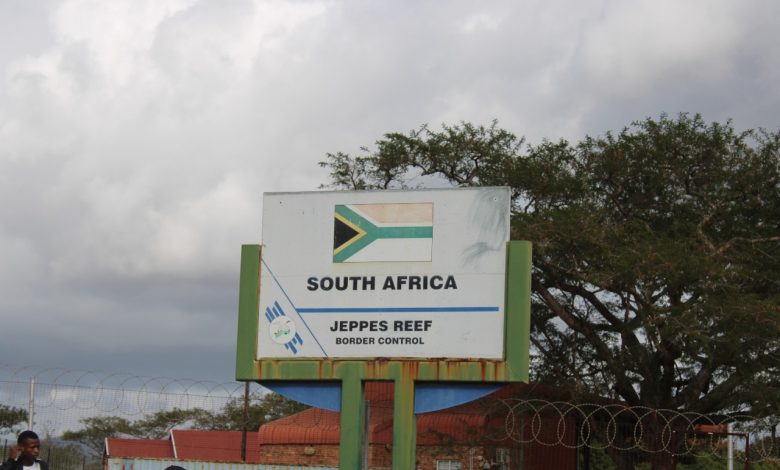
In the midst of the past eight days’ chaos that erupted in the Kingdom of eSwatini, South Africans on this side of the border have been concerned for their loved ones’ safety.
Nitrisha Olivier, a Mbombela resident, said she has been overcome with worry over the last two weeks. Her husband works in construction in Ezulwini, a neighbourhood in Lobamba, eSwatini.
She has been able to contact him, but he cannot speak of much more than his immediate surroundings.
ALSO READ: Fresh Produce Market now only 35% complete
“My husband hears and sees what is going on around him, but other than that, they also do not really know what is happening because of access issues.”
He does, however, feel relatively safe where he is at this stage . The latest information she received was that there were no longer going to be mass protests, but smaller groups will be targeting specific spots.
At work, they were told to close up at 15:30 to ensure that people can be home by 18:00.
“It is not out in the public, but the unspoken rule at this stage is that you are at home by 18:00, because there is the risk of being shot if you are out in the street at night.”
Other than his safety, Olivier said her husband is worried about the future of his job. The company he works for does some construction for the king and all these projects have been put on hold.
ALSO READ: White River residents demand a solution to sewage issue
One of her other worries is Covid-19. With all that is going on, she said people are not worried about the spread of the virus. Test results are also being delayed because of issues with the cellphone network.
Her husband went for a Covid-19 test on a Tuesday, and only received his results on the Saturday.
“He usually comes home about once a month, but we have not seen him in two months. We are hoping to see him at the end of July.”
She mentioned that travelling is also a concern in eSwatini as there is a fuel shortage.
“They are not allowed to buy more than R300 in fuel at a time.”
Mel Preddy, the Rural Safety Forum chairperson for Malalane in Nkomazi, provided some insight on the matter from a community security perspective.
He said there have been several enquiries from various people who wanted to know what they would need to do, if they did need help returning to South Africa.
ALSO READ: CIT robbers killed during attempted heist
According to Preddy, one of the greatest risks at this stage is political meddling from the South African side, escalating an already dangerous situation.
“How do we get people out if the border is blocked? And there needs to be distinguished between normal people seeking refuge (merely wanting to escape being collateral damage) and those specifically targeted by the movement. Nationals of other countries have also voiced concerns. There would be various levels of risk involved, and involvement from national government would be required in any case.”
He voiced the perspective that the South African interference at the border is just fuelling the situation inside the kingdom, so increasing the potential for harm.
Preddy mentioned that at this stage the situation is relatively calm.
“There is not a massive fear, and people should just stay off the streets at night and avoid situations that can get them caught in the middle of a riot.”
For the ordinary South African, what it comes down to, according to Preddy, is to not go into eSwatini if you do not have to.
ALSO READ: We cannot work without cars – SAPS
“Do not, for example, take a shortcut through there if you have another choice.”
He also mentioned the fuel shortage.
“You have no guarantee that you will be able to get out again. And if you do get stuck, the risk of continued clampdown on communications might mean you cannot ask for help.”
Preddy voiced awareness of unrelated entities that had suffered damage due to riots. He ventured that the communications clampdown may have increased risk by preventing proper coordination among members of the pro-democracy movement and forcing individuals to take their own, possibly more radical initiative.