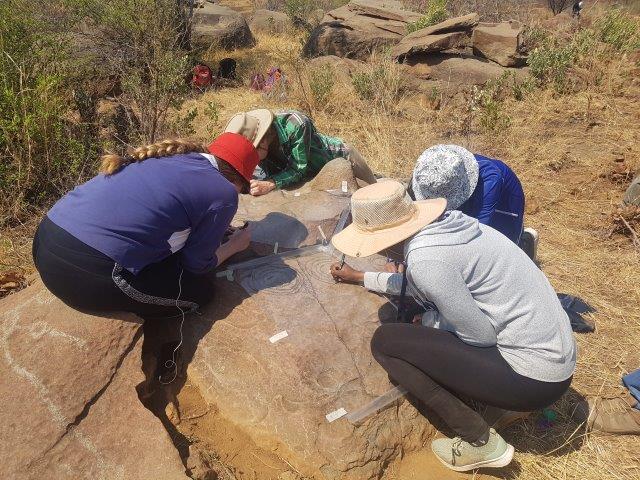
Boomplaats, outside Lydenburg, has been declared as a national heritage site
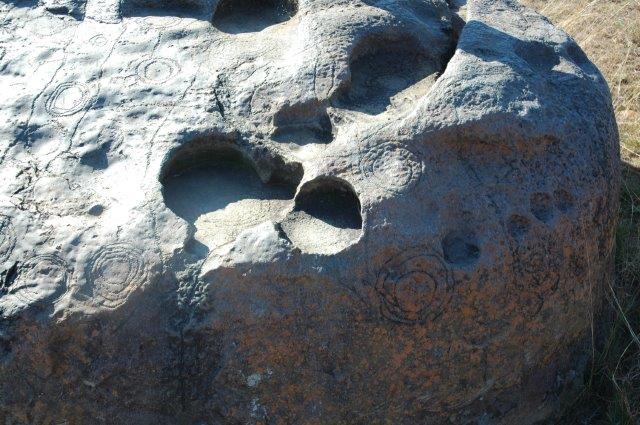
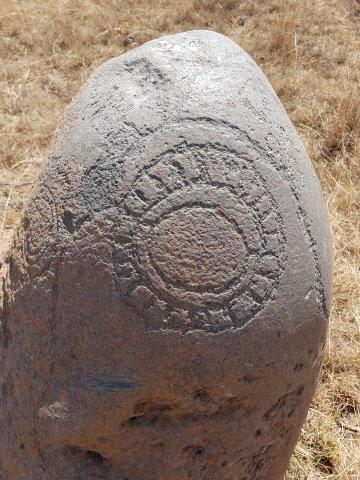
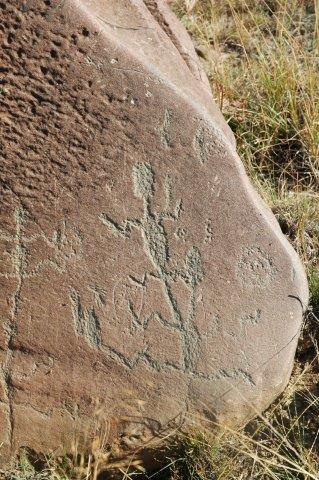
A long overdue honour has befallen the magical rock engravings known as the Boomplaats Rock Engraving Site Complex.

It has received national heritage status from the South African Heritage Resources Agency (SAHRA).
The site is a few kilometres outside Lydenburg on the R37 to Burgersfort.
SAHRA made the announcement after it was published in the Government Gazette.
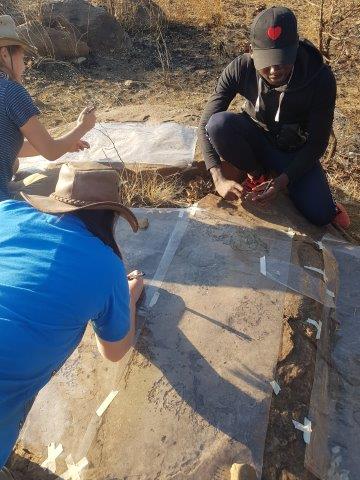
JP Celliers, the curator of the Lydenburg Museum, played a central role in the archaeological studies, sharing the history with other researchers and overseeing the project.
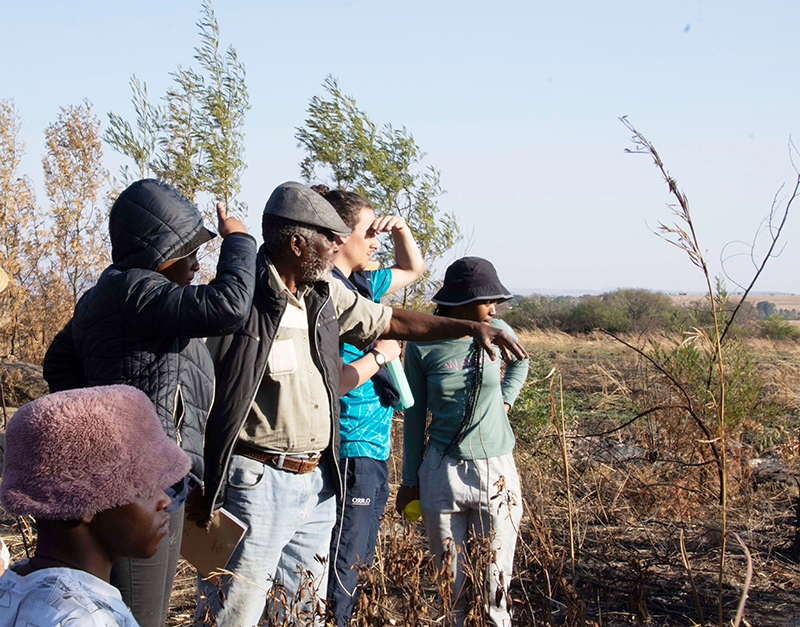
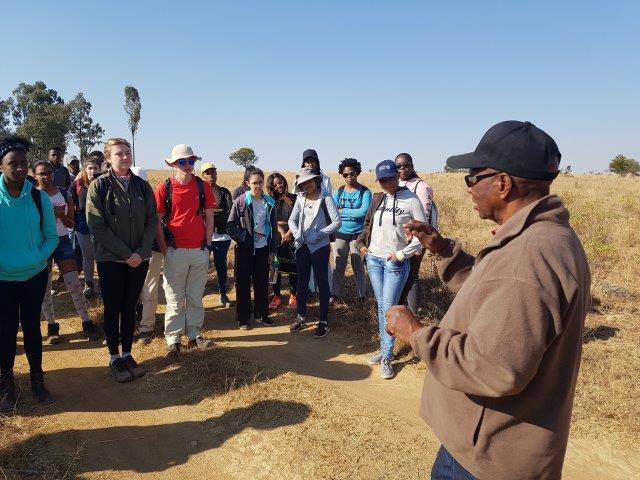
Prof Alex Schoeman of the archaeology division of the School of Geography and Environmental Studies at the University of the Witwatersrand, said that the university, SAHRA, the Dikwanyane community staying on Boomplaats, Bokoni Farmscapes, Lydenburg Museum and the Thaba Chweu Local Municipality worked together to receive this national accreditation for the past few years.
Also read: Taxi spiked, 12 passengers robbed on N4 near Hectorspruit
The Boomplaats Site has been declared a national heritage site in terms of Section 27 of the National Heritage Resources Act No, 25 of 1999 (NHRA).
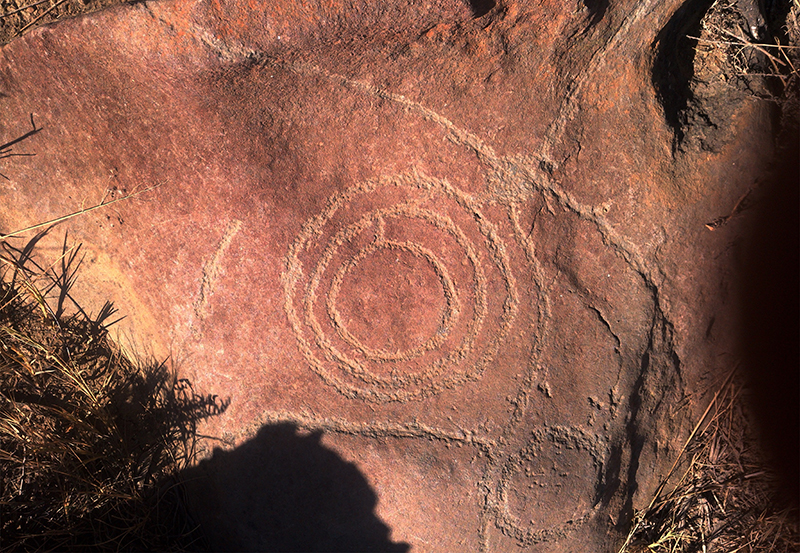
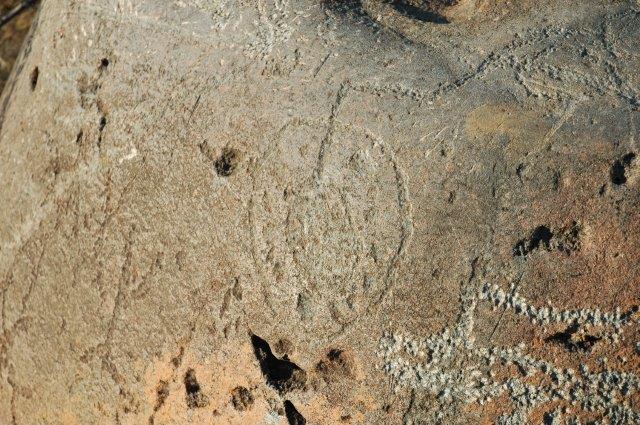
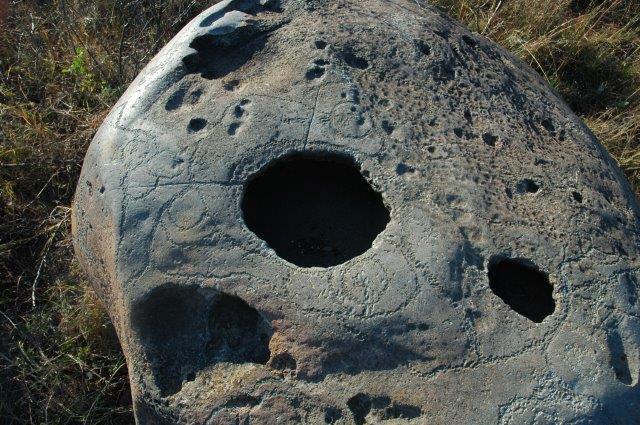
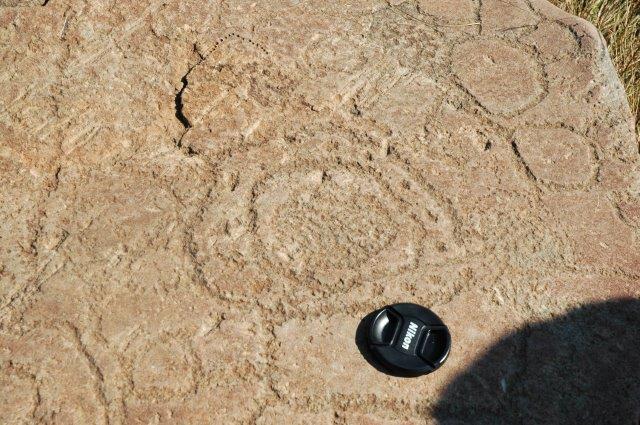
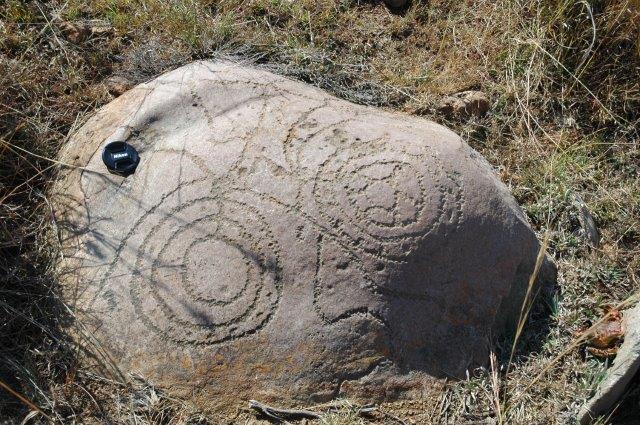
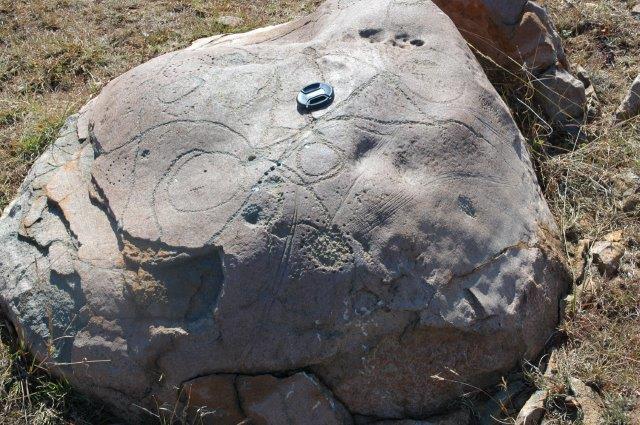
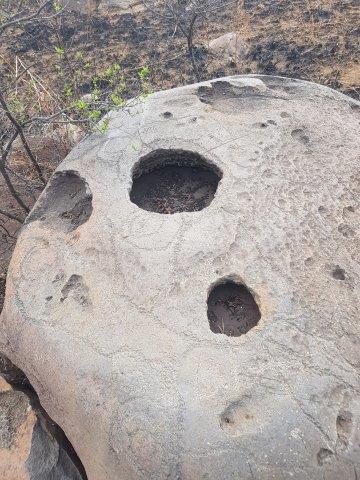
Boomplaats contains the most significant collection of rock engravings made by precolonial later Iron Age farming communities in South Africa and serves as an invaluable historical record of a deep-rooted cultural identity associated with the landscape. This identity survives to the present day and local descendants of the later Iron Age farmers identify with the site. The site also has significant potential to be developed for tourism and to serve as a place where this rich cultural heritage can be shared with visitors. Boomplaats was the first site of its kind to be recorded more than a century ago, and has been at the centre of scientific research for this type of archaeological site ever since, greatly contributing towards our understanding of later Iron Age farmer communities’ social organisation, and also served to corroborate interpretations of researchers regarding later Iron Age settlement layout and function, serving as a window into the world of the BaKoni.
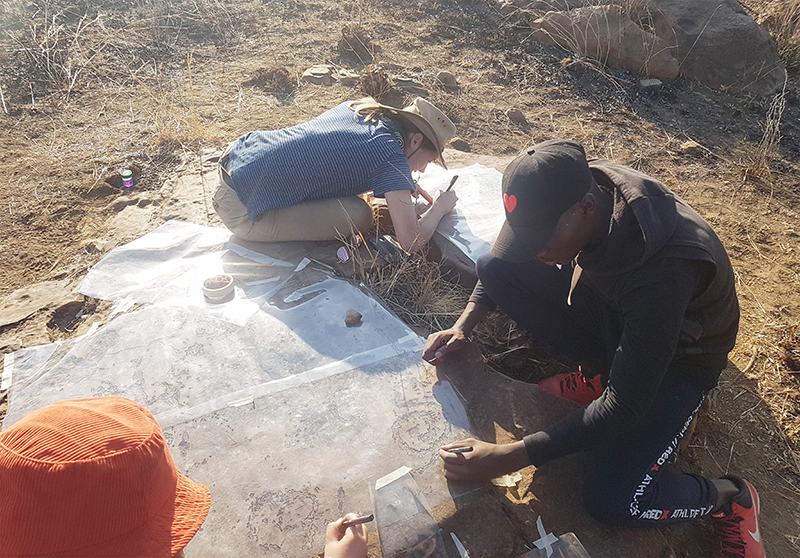
The sociocultural, historical and scientific research values, along with the stunning aesthetic value of the engravings, coupled with their fine state of preservation, make Boomplaats a site of significant national importance.
The Bokoni Farmscapes project is a National Research Foundation African Origins Platform-funded initiative based in the archaeology division of Wits’s School of Geography and Environmental Studies.
The project studies areas in South Africa and Africa where people used stonewalled terraces for agricultural purposes. Stonewalled, terraced, agricultural sites are significant as they speak to innovative approaches to farming and long-term relationships with the land. Other sites in Africa include Engaruka in Tanzania and Nyanga in Zimbabwe.
“Congratulations to everyone who worked on the project. It was a long-standing collaboration between several research teams, archaeologists and field study teams,” said Schoeman.