New room at Barberton Museum explains early life on planet Earth
A new room of the Barberton Regional Museum, dedicated to the investigation of early Earth, was officially handed over to the community on Thursday February 29.
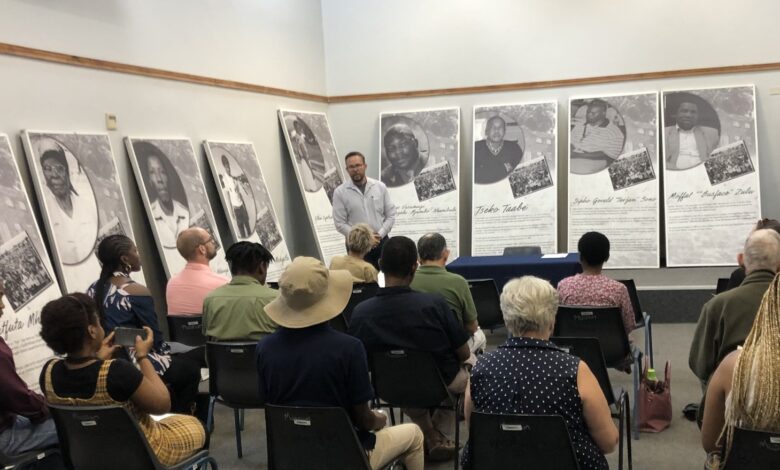
Barberton, the gem of the Lowveld, has a new sparkle: a new room of the regional museum, dedicated to the investigation of the early Earth, was officially opened in a small ceremony on February 29.
The room was originally an idea of the late Prof Nic Beukes and is a gift to South Africa and the regional and local community by the international BASE Research Drilling Project, which was conducted in Barberton in 2021 and 2022.
Its funds, which paid for the construction and furnishing of the new room, were administered by the Centre of Excellence for Integrated Mineral and Enery Resource Analysis, the South African research drilling consortium.
ALSO READ: PCA raises half a million rand during charity ride
Astrid Christianson of Barberton Tourism organised the event, and Prof Bertus Smith and Prof Michiel de Kock of the University of Johannesburg represented the sponsors. Janie Grobler, head of the Barberton Museum, accepted the new room.
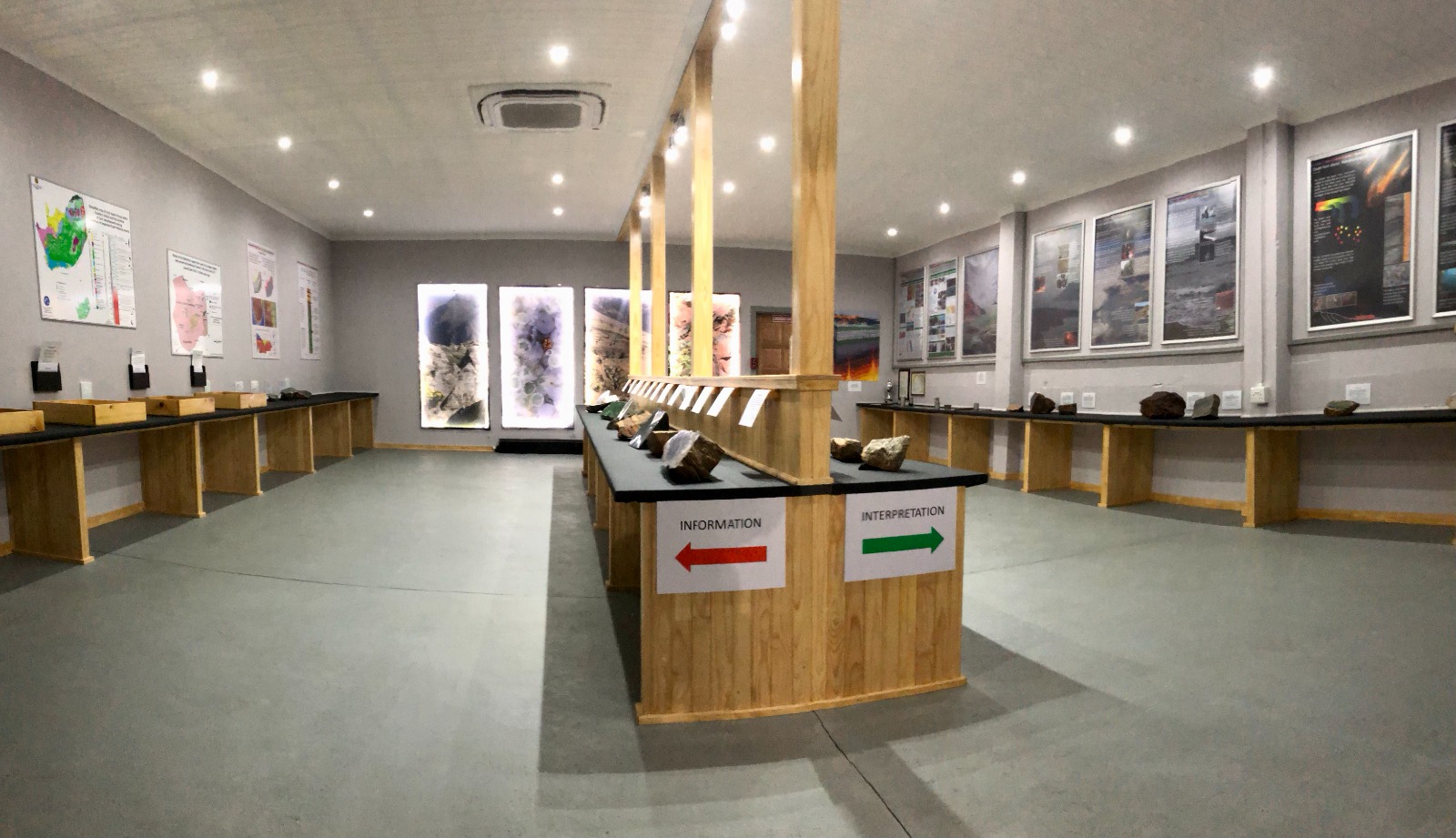
The room is divided in two sections: information and interpretation. A series of large cut and polished rocks from the Barberton-Makhonjwa Mountains south of Barberton are on display on a central counter; they mediate between the two sections. A series of colorful posters on the walls and backlit banners explain what information is hidden in the rocks.
“We want to show that the Barberton Makhonjwa Mountains have more to offer than gold,” said Prof Christoph Heubeck, a well-known German researcher of the local geology.
ALSO READ: White River Primary marks milestone at its 120th
“Even though local gold-mining is economically important and provides many jobs, it is on the decline and needs to be complemented. Tourism attracted by the World Heritage Site, if well managed, is sustainable and can also provide jobs and economic growth. The unique and worldwide famous rocks of the Barberton region, when properly exhibited and interpreted, will contribute to enhance Barberton’s attractivity. Nowhere else on Earth can we travel that far back in time,” he said.
Heubeck said the rocks of the Barberton mountains are unimaginably old – substantially more than three billion years. They therefore preserve information on what Earth looked like when it was young and was being populated by life, initially bacteria.
“For more than half of its history, Earth was a bacteria planet,” he said.
ALSO READ: Most Lowveld dams record decreases in water levels
Several rocks on display show microscopic remains of bacteria and ‘biomats’, which populated ancient tidal flats. Other rocks on display record various types of intensive volcanism, the composition of the oceans, rocks cooled from the hottest magmas on Earth, earthquakes, ebb and flood, and even meteorite impacts.
“To us, Earth would have appeared completely inhospitable. But for bacteria, which didn’t need oxygen and could adapt quickly, this may well have been paradise,” said Heubeck.
Because the conditions shown in Barberton’s rocks are thought to be common on other planets as well, Heubeck and his colleagues speculate that bacterial life may exist elsewhere in the universe as well.