Poaching affects everyone, says KNP
Everyone needs to come on board to ensure that wild animals are not poached and fences are not damaged.
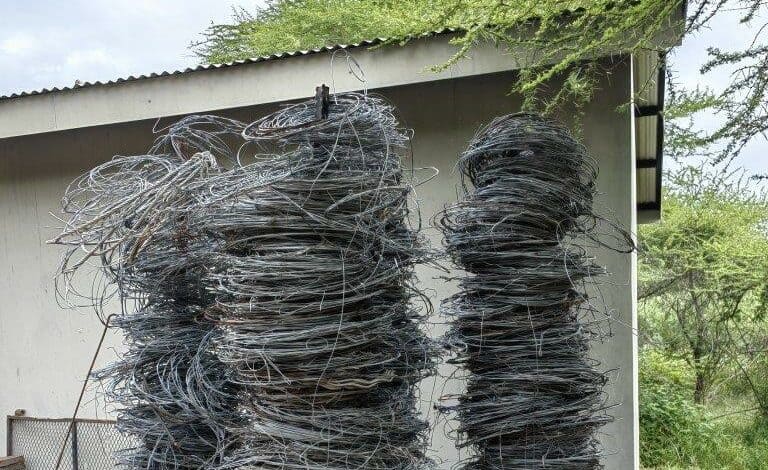
The poaching of wild animals and damaging of the Kruger National Park’s fence not only affect the park and lead to the loss of tourism income, they also lead to job losses and the spreading of diseases to livestock and even humans.
Wildlife reserves such as the Kruger are established with the intent to conserve habitats and protect endangered and vulnerable species.
These sanctuaries are crucial for biodiversity conservation, providing safe havens for animals to live freely, without the looming threat of human-induced harm.
However, the proliferation of snares and the illegal trade of bush meat and animal parts addressed in a recent Lowvelder article revealed a flagrant disregard and violation of conservation goals. Communities should understand that there are only a certain number of every animal in the park and not as many as they think. Once they have all been killed or poached, everyone would be poorer.
ALOS READ: Game rangers’ association labels former Kruger National Park regional ranger a disgrace
According to the Kruger’s spokesperson, Isaac Phaahla, local and international tourists visiting the park are only doing so to see Africa’s wild animals, and once they have all been killed there would be no reason to come here. This would see all the workers at the Kruger without jobs and regular incomes, further contributing to joblessness in South Africa and increasing poverty.
“The visitors in the province start using their money once they land at any airport by paying for shuttles. That has given people jobs, provided accommodation venues with income, and lots of money is spent on food during their stay. The park employs many people who are dependent on visitors for their salaries. Once all the animals are hunted and killed for their meat and organs, people will lose their jobs and businesses will be forced to close down,” he said.
Poaching and the laying of snares are effectively killing jobs and would, without a doubt, increase poverty.
ALSO READ: Poachers tell all: Shocking truth behind snaring of wild animals in Kruger National Park
Phaahla also stressed that the wild animals are protected to maintain the balance of nature and preserve our environment for future generations. “Every species on the planet plays an important role as part of the natural cycle of life, so we must take action to conserve wildlife.”
Once a species dies out, it would harm humans’ habitat as well.
With regard to damaging the safety fence to lure animals into residential areas, this could affect communities around the KNP, as well as cause diseases to spread to their livestock and some (zoonotic diseases) even to humans.
“Our animals have their own diseases that are harmful to domestic animals and we put up the fence to make sure they don’t meet or graze in the same place. Domestic animals have their own diseases that can affect wild animals and spread within the park or the nearest villages. We are not just putting the fence up and employing rangers to protect it, we are doing it to ensure people and their livestock are safe. To preserve wild animals and also to get people to visit the Kruger and support local businesses, everyone needs to come on board and fight any kind of poaching,” he said.
Phaahla called on community members staying next to the park to always safeguard the wild animals, themselves and their own livestock, and to not tamper with the fence or poach the animals.
He also warned the Kruger’s staff, who sometimes assist poachers, that if they are found they will be harshly dealt with by the courts and could spend many years behind bars.