Tariff increase and capacity fee unaffordable for many Lydenburg residents
Beyond electricity, residents are also facing tariff increases across other services: 4.4% for water usage, sewer services, refuse removal, and miscellaneous charges. A new basic charge of R210.74 per household has also been implemented.
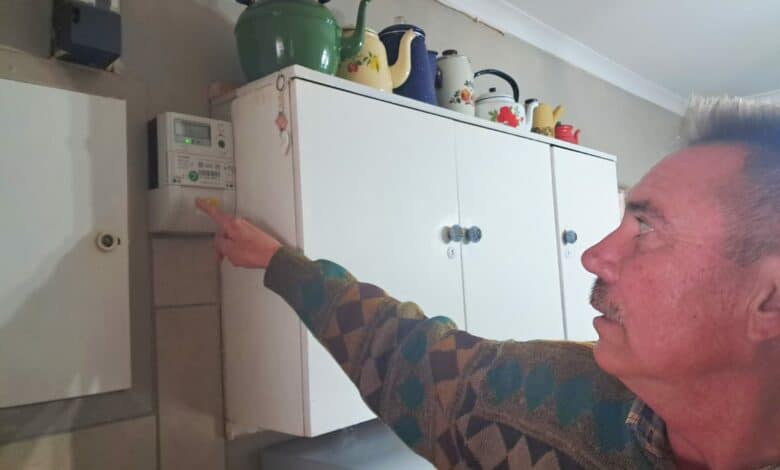
The latest increase in electricity tariffs has residents fuming, arguing that the hikes will place an unbearable burden on the elderly, the disabled, and low-income households.
The increase follows a cost of supply assessment conducted by the National Energy Regulator of South Africa (Nersa) on June 20. The Thaba Chweu Local Municipality (TCLM) applied for a tariff adjustment for the period July 1, 2025 to June 30, 2026, which Nersa approved. The new tariffs came into effect on July 1.
In addition to facing an 11% increase in electricity costs, homeowners are now also being charged an additional capacity fee of approximately R500.
Capacity charges are described as fees customers pay to ensure adequate electricity supply is available on the power grid during peak usage hours. In essence, consumers are charged not for the electricity they use, but to guarantee availability when they need it.
Shockingly, the capacity charge has increased by 119% since last year.
According to DA councillor Marius Opperman, the steep increase in the capacity charge is largely due to the municipality’s mounting debt to Eskom, which now stands at R1.7b.
“The capacity charge will be included in your monthly rates account from the TCLM,” Opperman explained. “This was introduced to help the municipality generate revenue to repay its Eskom debt.”
Read also: Lydenburg municipality passes unfunded budget despite concerns
Opperman said the capacity charge is calculated at R6.90 per amp per phase per month. Most households use a 40-amp breaker, which means the monthly charge would be R6.90 multiplied by 40, equalling R276. After adding 15% VAT, the total comes to R317.40.
Including all additional charges, the average household now pays approximately R528.14 per month purely for capacity – on top of standard usage charges.
The only way to avoid the new capacity charge, he said, would be to downgrade to a 20-amp breaker, which comes with practical challenges.
“A 20-amp breaker won’t supply enough power to run major appliances at the same time. Households won’t be able to use the geyser and stove simultaneously, as it would exceed the power limit,” he said.
Beyond electricity, residents are also facing tariff increases across other services: 4.4% for water usage, sewer services, refuse removal, and miscellaneous charges. A new basic charge of R210.74 per household has also been implemented.
Opperman confirmed that the DA is treating the issue as urgent and plans to initiate protest action against these steep tariff hikes.
The TCLM did not respond to queries regarding the increases, but previously confirmed that the full tariff structure, including the capacity charge, had been submitted to Nersa for approval.