Klaserie leopard attack survivor released from hospital
The woman faces a long road to recovery following a leopard attack.
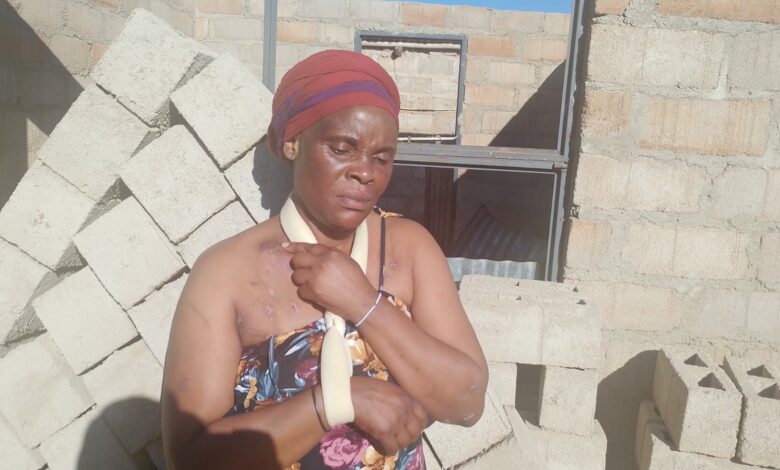
The woman who narrowly survived a leopard attack at the Dover Trust Camp in the Klaserie Private Nature Reserve has been discharged from hospital.
Nomsa Khoza (48), a caretaker at the camp, was attacked on the evening of Sunday, July 20, while walking from her accommodation to switch on lights as part of her routine duties.
She was admitted to Tintswalo Hospital in Acornhoek and discharged on Tuesday, July 29, after nearly ten days of treatment.
ALSO READ: Lillydale power puzzle: Eskom’s payment demand for electricity that does not exist
Speaking from her home in Bushbuckridge, Khoza told Lowvelder that she had been released before her fractured right collarbone could be treated and that her shoulder wound was still oozing pus.
“The hospital confirmed the fracture. I even saw the X-ray, but they didn’t fix it. I’m sweating excessively at night and I don’t feel properly healed. I don’t understand why my employer didn’t take me to a private hospital, since the leopard belongs to the reserve,” she said.
Khoza recounted that the leopard pounced on her suddenly from the bushes while she was carrying out her daily duties. “I was terrified and thought I was going to die, but God gave me the strength to fight it off with my bare hands,” she said.
The leopard, she said, first bit her on the upper right side of her chest, then climbed on top of her and bit her left arm. She also sustained deep scratches to her chest, thighs and lower abdomen.
I only saw balls of fire in its eyes,” she recalled. In a desperate bid to survive, she wrapped her left arm around the leopard’s neck, stuck her fingers in its mouth and pulled at its lips. “I think the pain made it pause. I kept hitting it and shouting for help.”
Her cousin and colleague, Ronald Moropane, heard her screams and rushed to her aid. Shouting and making noise, he helped scare the leopard off.
An ambulance was dispatched to the scene and Khoza was taken to hospital.
The leopard, which later tested positive for tuberculosis, was euthanised for the safety of staff and visitors.