Litter crisis grips Mbombela as residents and municipality point fingers at each other
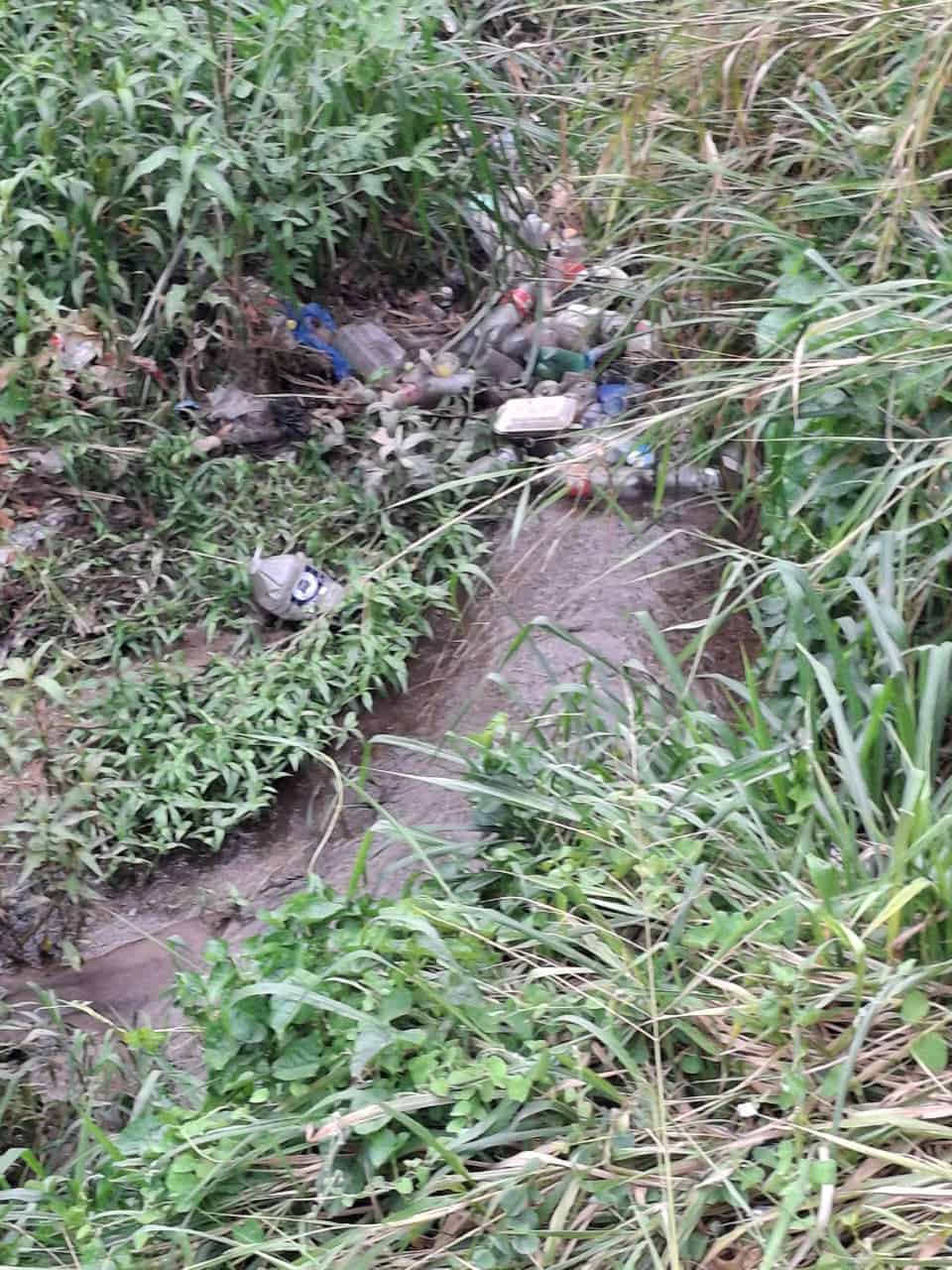
The litter is endangering the ecosystem since some of the garbage is now flowing into the streams and rivers.
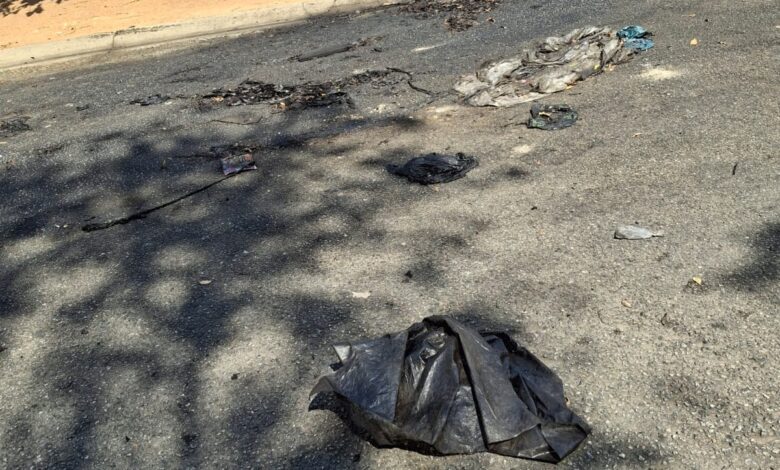
The City of Mbombela (CoM) is grappling with a growing litter crisis as residents and local government clash over how to resolve it.
With the recent wind and rain, waste was carried into local streams and rivers and has revealed the magnitude of this problem, sparking a debate among residents.
While the CoM holds the public responsible for the problem, community members are blaming the local municipality.
According to resident Yolanda Strydom: “The town looks filthy and rain and wind are exposing what was hidden. The main concern is the disastrous environmental impact, as plastic bottles and other forms of waste are washed into local water sources. This threatens the entire ecosystem.”
ALSO READ: Bosch Street businesses gatvol with potholes and broken lights
Another resident, Theo Smith, says the problem is a lack of effective by-law enforcement and municipal accountability. “As a ratepayer, I demand that the CoM enforces these. People litter because they know nothing will happen to them.” This sentiment is shared by many who believe the municipality is not capable of keeping the town clean and failing to hold offenders accountable.
Others blame the public for the situation. “How can people throw rubbish and disposable nappies in the streets when there are designated areas for it? We have a waste collection service and a legal dumping site. Why do people not use that? They throw rubbish right next to a waste bin,” asked Mitchelle van der Walt.
ALSO READ: Gatvol draws City of Mbombela mayoral response
Wandile Masuku believes the importance of instilling individual responsibility in maintaining a clean environment is paramount.
The CoM’s spokesperson, Joseph Ngala, acknowledges the problem, but shifts some of the blame back to the residents.
He insists the municipality does its best to keep the town clean and fines are issued when people are reported with proof of littering. Illegal dumping of large amounts of waste is a major problem and further complicates clean-up efforts.
Ngala encourages the public to become part of the solution by reporting littering and illegal dumping, promising that the CoM will deal with offenders.
This proves that there is a definite need for the municipality and the public to work together to successfully address the litter crisis.