Mpumalanga K9 units crumbling as rusted kennels pile up unused
New kennels left to rot as Mpumalanga police dogs lack food and cages.
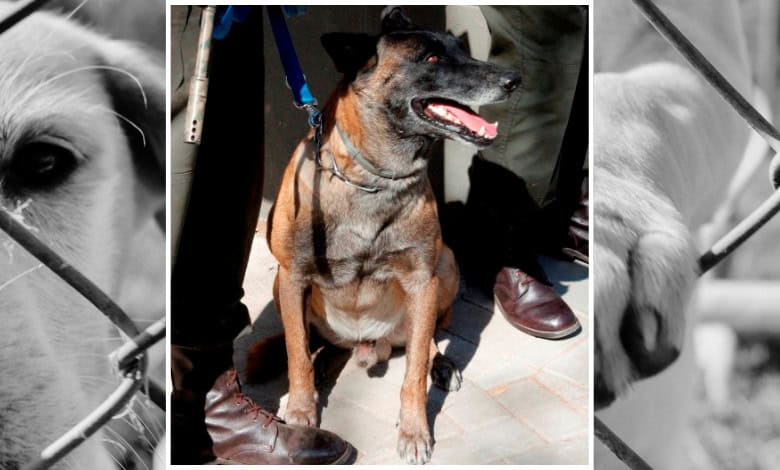
Stacks of prefabricated dog kennels meant for police K9 units in Mpumalanga are rusting away at the 10111 centre in White River.
This comes while most of the eight K9 units across the province, including White River and Lydenburg, are in dire need of new cages.
The Provincial Emergency Service (PES) is reportedly struggling financially due to a lack of funding, which has also impacted other areas of K9 operations, including the supply of food and medication for dogs, with some handlers at times forced to cover these costs themselves.
ALSO READ: Kruger Park’s K9 unit expands to 53 dogs
This is according to a senior police officer familiar with the financial state of the provincial SAPS headquarters, who spoke to Lowvelder on condition of anonymity for fear of retaliation.
The kennels were purchased a number of years ago but remain unused, while existing cages are badly damaged and rusted after being left in the open.
A dog handler from the Flying Squad who recently visited the White River unit said the wire mesh on some kennels ‘looks like a puzzle’.
ALSO READ: K9 and handler from Lydenburg part of earthquake rescue efforts in Turkey
“The mesh started to rust, and instead of replacing it, different types of mesh were used for patchwork,” he said.
Two main reasons for the kennels not being erected are a shortage of funds to outsource the work and K9 personnel reportedly refusing to do it, as they say it is not their responsibility.
A further concern is the shortage of dogs and K9 handlers. There are 84 dog handlers in the province and only 35 dogs.
The SAPS K9 Roodeplaat Academy in Pretoria supplies the dogs.
Currently, Mpumalanga has only one search and rescue dog, one fire accelerant dog, one biological fluid dog, 11 explosive dogs, 18 patrol dogs, and no tracker dogs.
SAPS spokesperson Colonel Mavela Masondo declined to comment, saying the questions were ‘of a security and operational nature and cannot be disclosed to the public.’