Dr Von Mollendorff leaves a lasting legacy of courage and care in the Lowveld
The medical pioneer faced dismissal in 2002 after ensuring rape survivors had access to care rooms and antiretrovirals at state hospitals.
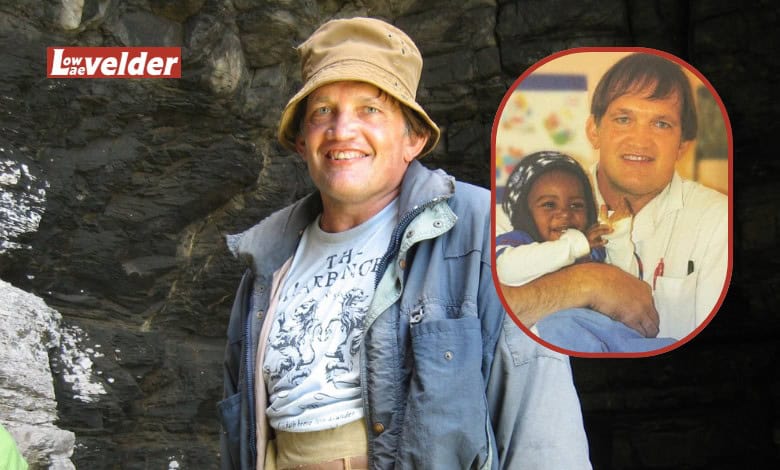
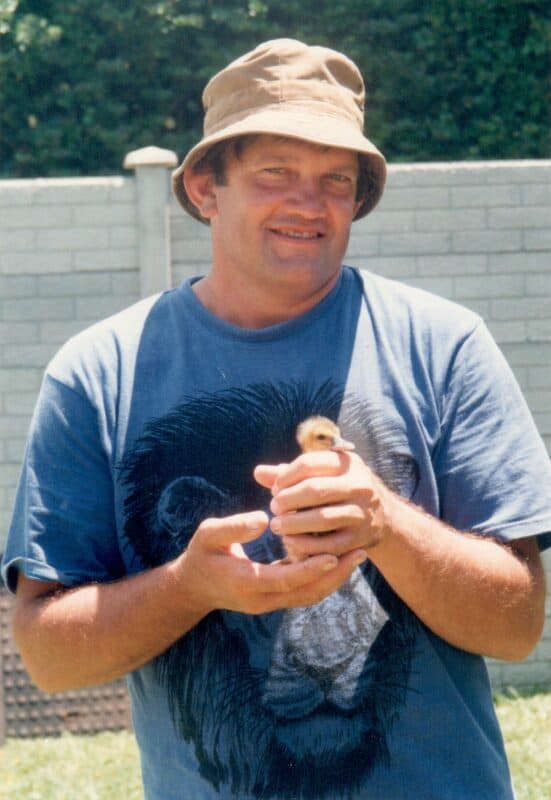
Groundbreaking medical practitioner Dr Thys von Mollendorff died aged 72 on August 21, leaving a legacy of transforming state hospitals into world-class facilities and supporting countless rape survivors.
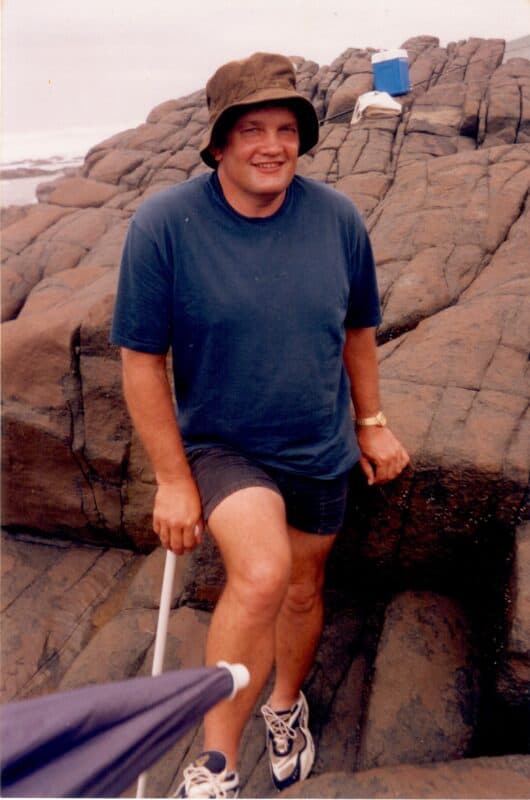
Von Mollendorff first moved to the Lowveld with his wife in the 1980s after studying medicine at the University of Pretoria.
He worked at Themba Hospital as a junior medical officer before being transferred to Philadelphia Hospital as a senior medical officer.
ALSO READ: Lowveld mourns passing of Nelmed co-founder Dr Dave Fourie
He later returned to Themba Hospital to work as a principal medical officer for five years before moving to Rob Ferreira Hospital.
There he worked as a chief medical officer and was appointed as senior medical superintendent in 1999. He also worked at Barberton Hospital twice a week to perform surgeries in the orthopaedic department.
When Von Mollendorff joined Rob Ferreira Hospital, he was excited to provide the best care for patients who relied on the medical centre.
Championing care for rape survivors
With increasing HIV statistics being reported in the province and changes by the Department of Health (DoH) to abolish district surgeons, doctors became responsible for the treatment of rape survivors.
In his book Dare to Care, he remembers receiving a call about a four-year-old girl who was waiting at the casualty department after she was raped. “I could not bear to see an innocent child in such a state,” he wrote.
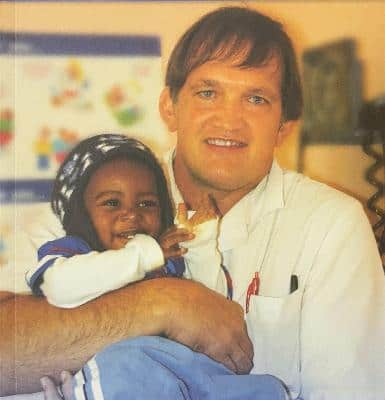
The little girl’s shock and tears left a lasting impression on him, which motivated him to give better support to rape survivors.
ALSO READ: GRIP calls on public to support Dignity Care Pack Drive
With the help of the Greater Nelspruit Rape Intervention Project (GRIP), Von Mollendorff secured a care room for rape victims at Rob Ferreira Hospital, which was officially opened on April 17, 2000. The goal was to give patients the necessary counselling and medical treatment in a private space where they felt safe.
Police statements could also be made without victims having to travel to a police station.
At the time, Lowvelder reported that the hospital also secured R25 000 from donor funding to procure antiretroviral drugs for rape survivors to prevent HIV infection.
Dismissal and legal struggle
On October 26, 2000, the hospital superintendents, including Von Mollendorff, were summoned to the department’s head office, where former Mpumalanga MEC for health Sibongile Manana issued instructions on a new protocol requiring NGOs to be referred to the head of department for hospital access.
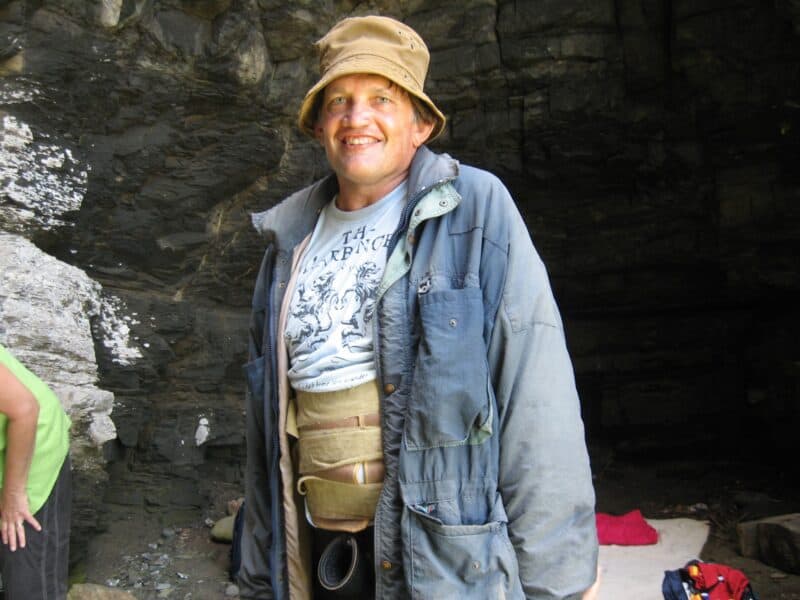
Von Mollendorff and his management team were unexpectedly issued with misconduct charge sheets from labour relations officials. He was charged with misconduct for allowing GRIP to operate on hospital premises without senior management approval. He was also charged with prejudicing the state’s administration and bringing the department into disrepute by permitting GRIP to provide antiretroviral drugs to rape victims, which was claimed to run contrary to national policy.
ALSO READ: Dr Jan onthou as baanbreker by Nelmed-praktyk
However, under the National Crime Prevention Strategy’s Victim Empowerment Programme, state departments, including the DoH, had formally signed an agreement to support the National Policy Guidelines on Sexual Assault, which mandated that public hospitals set up private care rooms, co-operate with local NGOs to provide on-site counselling, and offer survivors emergency antiretroviral therapy for post-exposure prophylaxis.
Von Mollendorff’s life was forever changed on February 22, 2002, after he was found guilty in a disciplinary hearing and was dismissed by the DoH.
A two-and-a-half-year struggle followed, after which all charges against him were cleared from his record.
The DoH never apologised, and he struggled to make peace with the injustice done to him.
He later joined an NGO, the Acts Care and Training Centre, a hospice where he assisted patients with antiretroviral therapy. The hospice became popular, with patients flooding to the clinic to get a second chance at life.
Von Mollendorff found joy in seeing patients get the needed help and later retired aged 65.
His wife, Suzanne, said that the legal struggle took a toll on his health, and that he had to forgive the DoH to get closure. Dare to Care recounts his ordeal with the system, but Von Mollendorff published only a few copies. He decided not to share it with the world since he had already forgiven those who had harmed him.
ALSO READ: GRIP loses much-needed donations during break-in
His story, however, is one that needs to be told. Despite what had happened to him, he achieved great success and received numerous awards, including an international nomination for ‘Caring Physicians of the World’.
“My husband was a gentle man who loved his job,” Suzanne said. “Not only was he a good doctor, he was also artistic and good at sports. He always won at everything.”
“Dr Thys von Mollendorff was truly a people’s doctor,” said GRIP chairperson Barbara Kenyon. “He was a quietly spoken man, a doctor who inspired all his staff, which made Rob Ferreira Hospital an icon of top-notch patient care through his leadership and example as superintendent. He went much more than a mile for rape survivors, driving from White River, often in the middle of the night, to write prescriptions for antiretroviral therapy for all our survivors when the other doctors were not allowed to do so. I, GRIP and all the many survivors whom you saved, honour and salute you, Thys, for the legacy you have left. Lala kahle, dear Dr Von Mollendorff.”
Von Mollendorff leaves behind his wife, Suzanne, and four daughters, Hester Laubscher, Mia Robinson, Zani Ansell and Drienie du Toit.
His funeral will be held today (August 28) at the AGS White River Church at 11:00. A live streaming service will also be available for those who cannot attend.