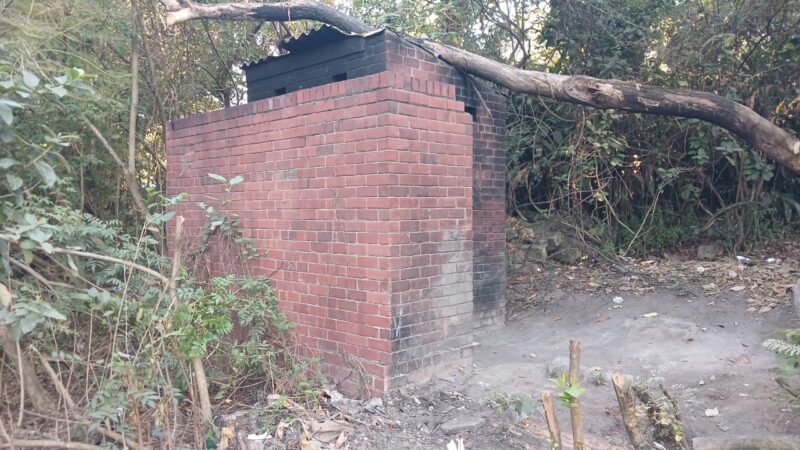
Mbombela residents demand accountability over neglected state properties
Unsecured government buildings and overgrown railway lines spark fears of crime, illegal dumping and environmental hazards.
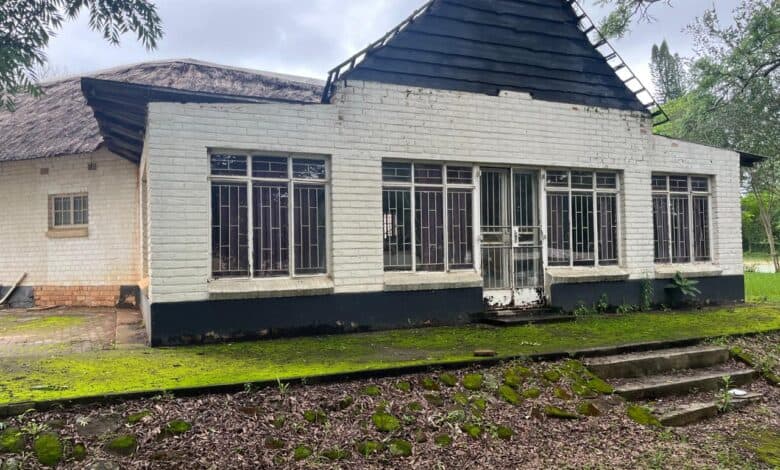
State-owned land and buildings across White River have fallen into severe disrepair, triggering environmental and safety concerns among local residents.
Across the town, several properties managed by the City of Mbombela (CoM) and the Mpumalanga Provincial Government require attention.
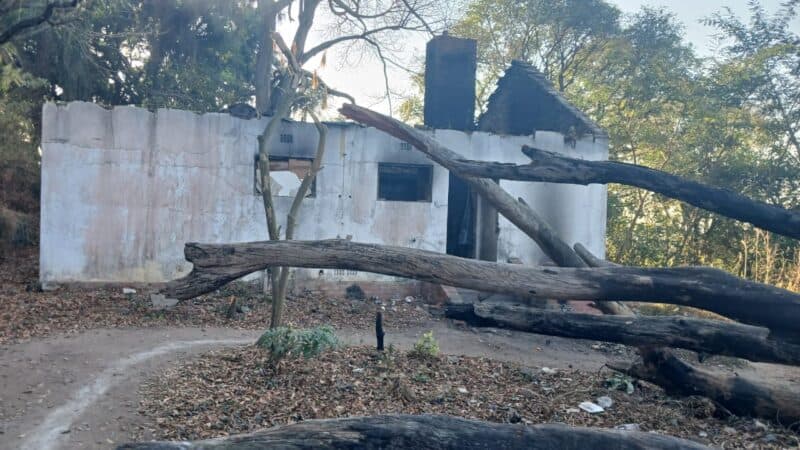
Residents have raised concerns about vacant and poorly maintained state-owned properties, including land and buildings that they say are not receiving the level of maintenance and management expected of private property owners.
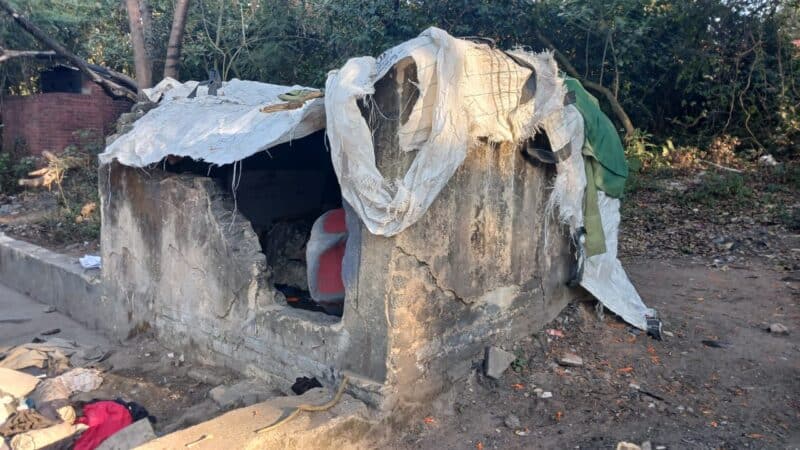
Neglected or unsecured properties belonging to state-owned entities, government departments and the municipality, some with abandoned structures, contribute to illegal dumping, environmental degradation and safety concerns, while also placing additional pressure on municipal services.
Neglected sites span railway lines and municipal stands
Residents have pointed to neglected buildings and poorly maintained areas along the Transnet railway.
Other concerns relate to education-reserved land and public infrastructure, including properties around Impala, Boekenhout, Eland and Kiaat streets.
Municipal properties have also been identified as areas requiring attention. These include three stands in Japie Theron Street reportedly belonging to former municipal officials, Plot 71 in Dyson Park, as well as areas associated with irrigation canals and railway-line servitudes.
ALSO READ: N4 truck congestion eases, but full clearness yet to be confirmed
Further concerns have been raised about areas within the TPA provincial property village, including old public works asbestos houses and the TPA roads complex, which residents say require proper maintenance and management.
Residents demand equal standards and regular inspections
The issue is not simply about appearances. Residents say neglected public land can have broader consequences for surrounding communities, including illegal dumping, environmental degradation and safety concerns.
They argue that government should lead by example when it comes to property maintenance and compliance.
If private property owners are expected to secure, fence and maintain their properties in accordance with municipal requirements, residents say the same principle of accountability should apply to state-owned and public properties.
ALSO READ: Watch: Dehydrated rhino calf airlifted to Mbombela rehabilitation centre
The question being raised is therefore straightforward: who is responsible for maintaining these properties, and when will neglected public land receive the attention it requires?
Proper identification of the responsible owners, regular inspections, fencing where necessary, removal of illegal dumping and rehabilitation of abandoned structures could help prevent these properties from becoming long-term problems for surrounding communities.
CoM spokesperson Joseph Ngala was not available for comment by the time of publication. Transnet and the Department of Public Works, Roads and Infrastructure were also not available.