
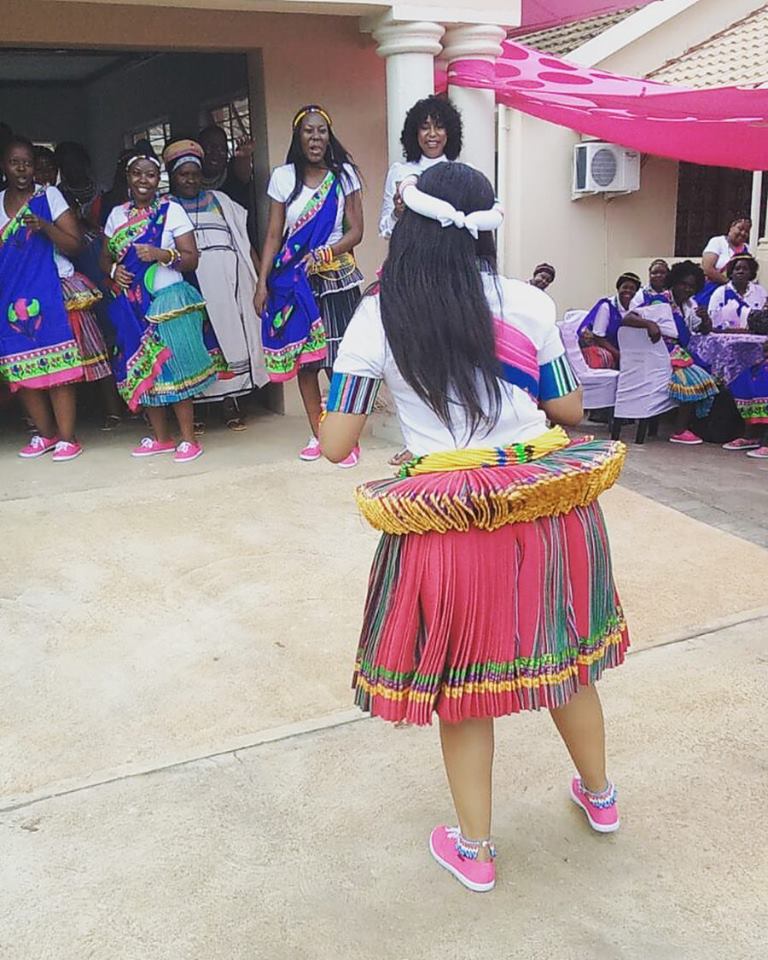
Late last night and early this morning I was embroiled in a lengthy Facebook debate. Well, I still am involved in it; I just chose to disengage for a few minutes. You know, the type of disengagement women experience when men try to mansplain.
This time around it was a Zulu man trying to teach me about my Tsonga history. The debate started when a Xhosa Facebook friend of mine asked why Zulus still celebrate a murderer like Shaka Zulu in this day and age. I colloquially chimed.
I would like to know why Shaka’s general Soshangane decided to “colonise” us Tsonga people to the point where our language has Zulu influences.
You should have seen the language I used. It wasn’t that deep, but this man was touched to the point where he decided to educate me. He told me how being Tsonga and Tsonga people are a “new phenomenon” because we did not exist before the general decided to escape from the wonderful leader.
I could go back and forth with this guy and would love to refer him to books that support my argument in the same way he suggests literature to support his.
I am reminded that history, especially as black South Africans, is often from the perspective of the conqueror rather than the conquered. The rest of us are reliant on sketchy oral history often not fully supported by texts.
Not to say that it lacks credibility, but consistency. The Tsonga saying goes “Tintshava a ti hlangani, vanhu va hlangana” (Mountains don’t meet, people do). In our movement across the continent and what we now know as the country, our people encountered and influenced one another in one way or the other.
That is prevalent in our language and practices. That is why, across the continent, we can all understand the concept of a dowry or as it is known in many Nguni languages as Lobola.
The encounter between the various tribes over centuries is one that is hardly spoken about to the extent where you find a person on Facebook with all confidence in the world denounce the existence of another group.
This is the reason I find the term “founded” to be problematic when it comes to the establishment of towns. I feel that you are implying that there were no people living there until you arrived there. If that is true, then where did they go? Where were they before?
See the problem? When we all try be conquerors in our narrative, we undermine and deliberately offend others. We wipe away their history and make your version of them true.
In short, we should start documenting our own history. This is important. Social-media debates are redundant if we have nothing to substantiate it with that we have compiled telling our version of events.



