

The use of social media can end careers and ruin lives.
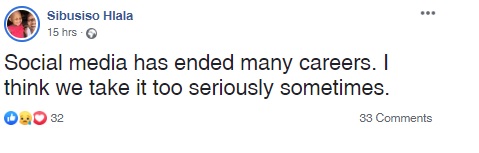
A discussion on the topic by one of my Facebook friends made me realise that South Africans are not always aware of the types of online conduct that could land them in hot water.
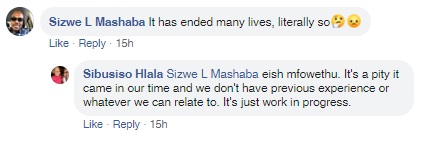
Sibusiso Hlala rightly stated that using social media is a work in progress – we figure out how to best use it and what to avoid as we go along. We are all part of an online trial and error generation. This is inherently risky and I am sure most of us can use some guidelines.
First of all, you need to know what the law says. If you behave in an unlawful or criminal way, your employer may use this behaviour as a ground of dismissal.
Example: Eddie Employee is a drug dealer who uses Facebook to connect with buyers. This is a crime and he may be arrested and also lose his job.
However, not all scenarios are as straightforward as this one. That is why your employer needs to communicate clearly whether, and to what extent, employees will get in trouble for online misconduct.
You also need to have a clear understanding of what exactly constitutes “misconduct.” That said, common sense dictates that certain behaviours (such as committing crimes or badmouthing your employer online) may lead to dismissal regardless of company policy.
Speaking of policy: a social media company policy is the best way to ensure that everyone in your office is on the same page regarding online behaviour. A social media policy clearly stipulates which behaviours may lead to disciplinary action and dismissal. Employers must share the contents with employees and ensure that the latter has a clear understanding of what’s on and what’s not.
A social media policy needs to contain the following:
- A clear definition of types of conduct that are prohibited online
- An indication as to what sanctions may be imposed on those who make themselves guilty of such behaviour
If an employee breaches the social media policy, the employer may take disciplinary action if he/she can prove:
- A rule existed that forbade the behaviour complained of
- The employee was aware of the rule
- The employee’s conduct contravened the rule
- What the appropriate sanction for the contravention will be
In addition hereto, proper social media policies usually include certain key clauses.
- A clause on privacy law
- A clause on intellectual property law and copyright
- Outline the dangers of online sharing
- A clause on communication etiquette, especially when the employee represents your brand online. Some employers rightly argue that employees are brand representatives 24/7 and that they may be subject to disciplinary steps for statements made on their personal accounts
- A clause on employees’ personal social media accounts
- An indication as to who may post online on behalf of the employer
- Brand protection clause dissuading employees from posting content that could negatively impact the employer’s brand reputation
- A clause protecting proprietary or confidential information
- A clause prohibiting posting of defamatory statements, hate speech or discrimination
- A clause indicating that illegal online conduct is a ground for disciplinary action or dismissal
- Include a social media crisis response policy indicating how online crises are to be managed
- Safety guidelines for responsible social media use
How is a social media policy implemented?
Companies generally include a clause in their employment agreements stating that employees are subject to all company policies announced or amended from time to time. If this is the case, the policy will take effect as soon as it has been signed off by management.



