
Insects steal the spotlight at Mbombela Stadium
An unexpected 'team' swarmed the Mbombela Stadium on Human Rights Day, adding an eerie element to the event.
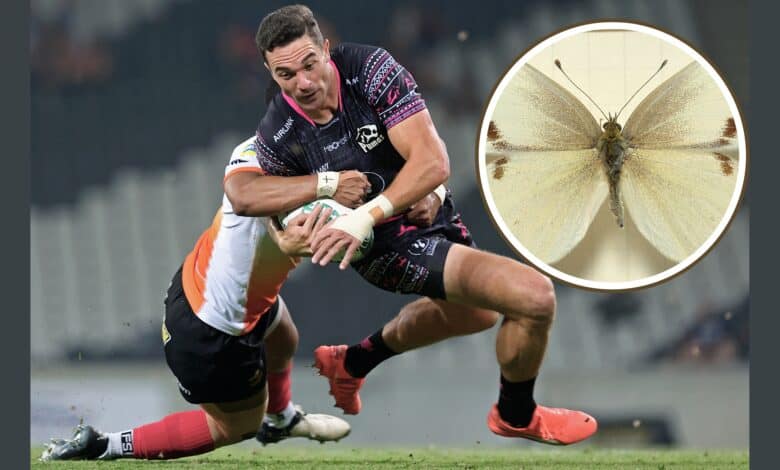
In what can only be described as nature’s audacious protest against organised sports, Mbombela Stadium witnessed an unprecedented flutter of events during the SA Cup clash between the Airlink Pumas and the Toyota Cheetahs.
On Human Rights Day, March 21, of all days, the stadium was invaded by an unexpected team: thousands of what was initially thought to be moths, ready to play havoc.
For many attendees, including the players, the sight of the invading insects rivalled the match itself. It wasn’t just a few pesky insects: these fluttering mischief-makers apparently had designs beyond mere annoyance.
Dr Hein van Wyk, the team doctor and well-known occupational medical physician, was kept busy, treating a number of patients, including seasoned Lowvelder journalist, Mark Kinnear, after the insects had found their way into ears – adding an eerie element to an otherwise thrilling game.
ALSO READ: Danie Rossouw Rugby Week set to kick off
Kinnear recalled how he was invaded by a flying fiend. “I was taking photos from the south end of the pitch when a moth flew into my left ear. I assumed if it flew in, it would fly out. But instead it flapped its wings, burrowing itself even deeper into my ear. I realised I would need help to get it removed,” said Kinnear. “I sought the help of Doc Hein who was sitting on the touch line near the tunnel. As I walked there I could feel the moth flapping its wings in my ear.”
Van Wyk took Kinnear to the medical room across the hallway from the away change room.
“I was told I am the fourth person there with the same problem. Doc Hein first attempted to flush the moth out with a water-filled syringe, but only succeeded in drowning it. Eventually he used a tweezers to remove it from next to my eardrum.”
With a touch of humour, the stadium manager, Roelf Kotze, shrugged off the drama: “Well, what can we say? The insects clearly thought they had season tickets. We’re looking into it, but hey – when you’re surrounded by wild beauty, sometimes it joins the party.”
Dr Schalk Schoeman, an independent research expert and director at Sonbesie Consulting, identified the species as Pieris rapae – which is actually not a moth, but a cabbage white butterfly.
The cabbage whites, diligently following their GPS (global pollination system), found themselves rudely interrupted by the cheering fans in the mid of their usual migration over Mbombela.
The cabbage white butterfly’s migratory habits are less about wanderlust and more about survival. These butterflies are opportunistic travellers, moving in search of food, better weather and the ideal environment to continue their legacy.
Their journeys often revolve around the availability of host plants like cabbage, kale and other greens that serve as nurseries for their next generation.
In South Africa, they’re particularly sensitive to the changing seasons. As temperatures rise or food sources diminish, they seek out new territories with lush vegetation. Their movement patterns can also be influenced by rainfall, as they prefer to lay eggs in areas where the host plants thrive.



