Lowvelder Damien Kühn conquers unthinkable Ultra Gobi 400 race
From dunes to mountains, gravel plains to rivers, and of course endless sand, Damien Kühn traversed almost every kind of terrain during the 2025 Ultra Gobi 400.
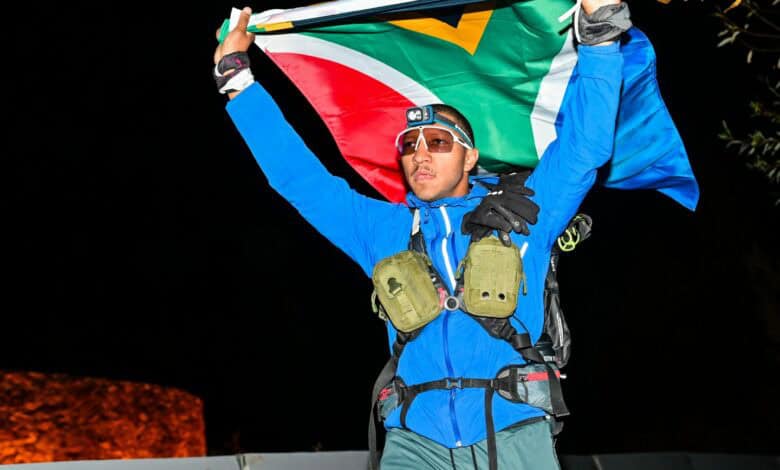
Relentless. Brutal. Inimitable. Worth it.
These adjectives barely scratch the surface of the experience that Lowvelder Damien Kühn underwent while completing the Ultra Gobi 400.
Kühn (31) is well known within the Lowveld running community as a ‘beast’ or a ‘machine’, but he took things to a whole new level in China in early October.
It’s a race and an experience of epic and biblical proportions that tests every fibre of one’s spirit and determination.
One of 57 runners to set off on the 400km pilgrimage across the Gobi Desert on Friday, October 3, at 21:30, Kühn soon established himself as one of the frontrunners in the race.
He was well inside the top 10 from the get-go, battling some seriously tough terrain and conditions, with the non-stop wind being the worst of it all.
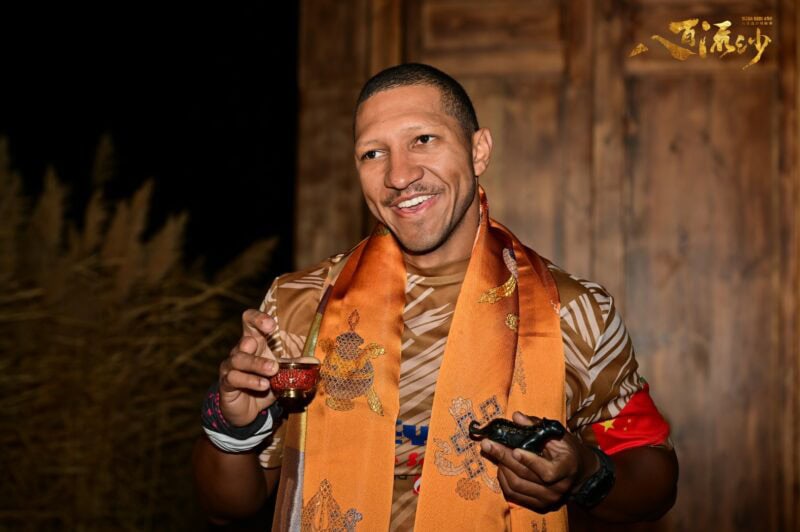
But this couldn’t get the Lowvelder down, as he instead focused on his surroundings and just how special the experience was.
“I was amazed to see how many different desert landscapes there were. It really is breathtaking,” he recalled to Lowvelder on Wednesday, the day after he completed his race.
His goal at the start was to finish inside the top five, but he began to struggle at the halfway mark.
“Apart from the usual blisters and swollen feet, my left knee started swelling and paining a lot from 200km. It slowed me down significantly.”
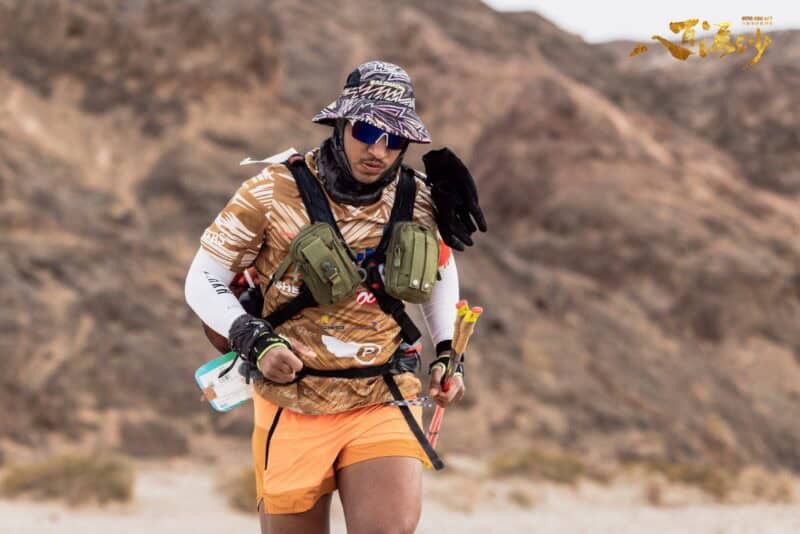
More determined than ever, Kühn pushed on and battled through the pain, but not without challenges.
“The constant exposure to the elements was brutal, and the mandatory gear was very heavy. My pack was more than 10kg.”
With the race being unsupported Kühn had to rely on his self-navigation skills, which he said wasn’t an issue until sleep deprivation started to kick in.
In spite of these challenges he never once considered withdrawing from the race. “Stopping was never an option. Not once.”
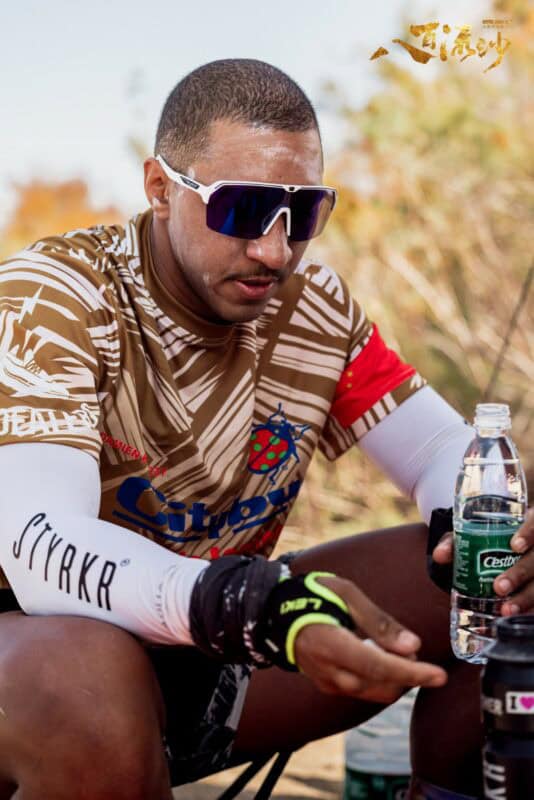
Buoyed on from back home and by the volunteers at the event itself, Kühn muscled on, fighting his knee pain along with stomach issues.
Having started the final day in 10th place, he moved up to ninth midway through the day and this would prove to be the spot he’d finish in.
Damien Kühn crossed the finish line in a time of 97:22:58, which translates into 4 days; 1 hour; 22 minutes and 58 seconds of traversing the Gobi Desert.
“Crossing the finish line was a major highlight. You really do feel like a king when you finish this event,” he said.
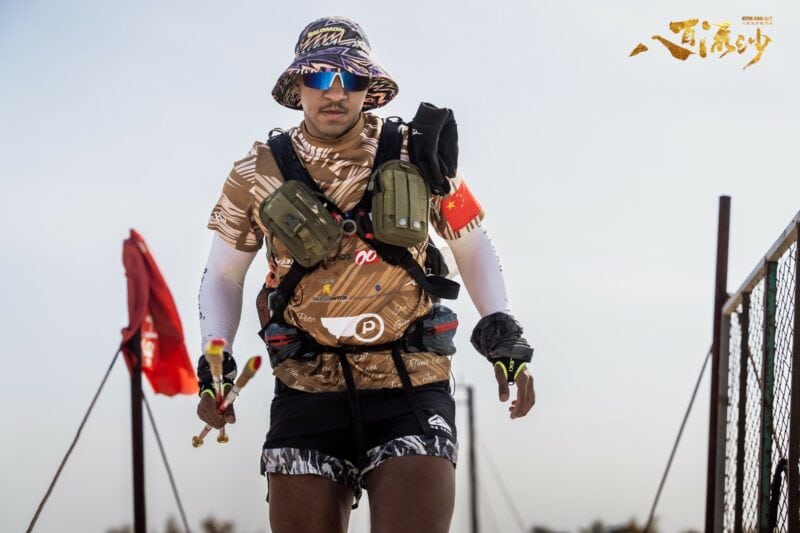
Despite the pain he endured, Kühn would do it all again at the drop of a hat. “It has been amazing. The race and every detail go beyond anything that I could have imagined,” he said.
“I would definitely want to do it again and I think that anyone that runs ultras should experience this event.”
While he was unsupported in person, Kühn was receiving incredible levels of support from back home right throughout the race.
“The support from back home was amazing, the messages and the posts on Instagram from everyone were so motivational, they really helped through to the finish. You guys are champions for pushing me through four days!” he said.

The Ultra Gobi is a self-navigating, self-supporting race that follows the route that seventh-century Chinese Buddhist monk Xuanzang took along what later became known as the Silk Road.
The trail follows the northern edge of the Tibetan Plateau in western China. Once known as the Gansu Corridor, this was the only path for caravans passing between the sands of the Gobi proper to the north and the mountains of Tibet to the south.