The perfect 21st century compact hatchback
Those in the know say it is the smartest B-segment hatchback ever, and that it put the “super” into supermini. Global sales to date are currently more than five million vehicles.
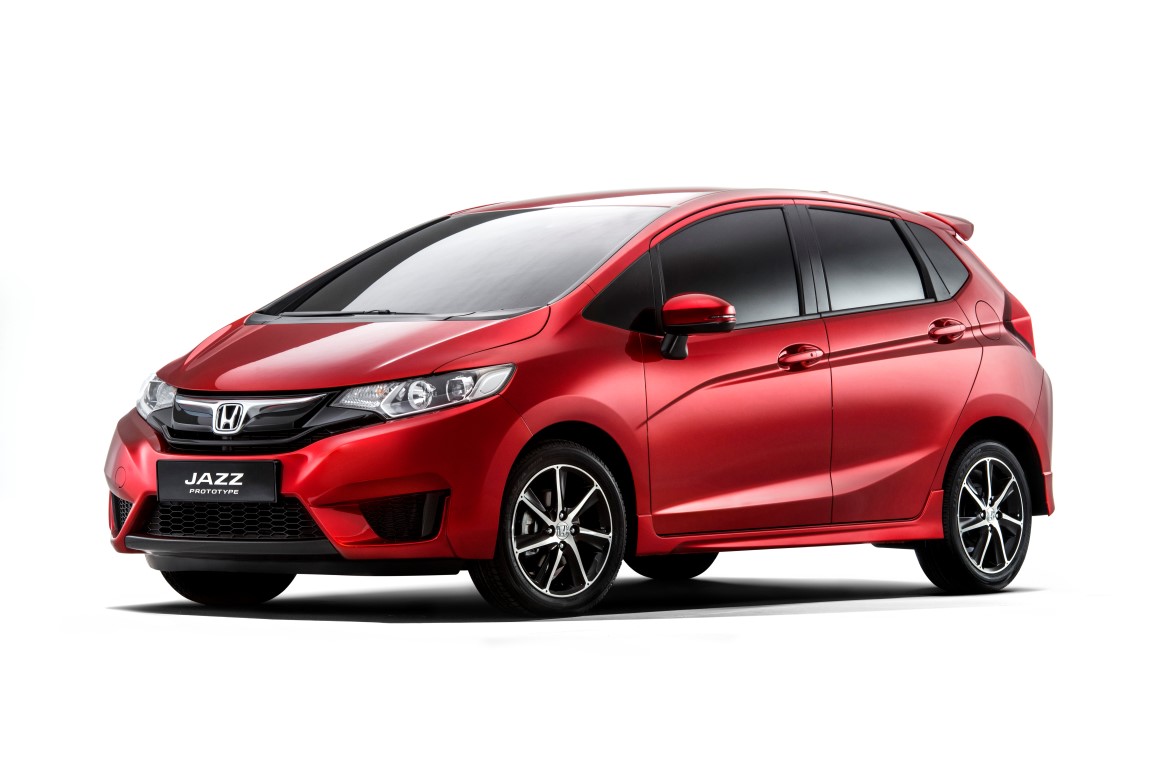
We’re talking about the original Honda Jazz, of course, and when it launched locally in April 2003, the media raved about it. So too did the buying public, eagerly embracing a compact car which arrived with Honda’s proven reputation for quality and engineering excellence, and then made its own name by adding exceptional packaging. The Jazz was a game changer too, being one of the first cars in its class with dual airbags and ABS adding a new dimension to safety.

Honda’s Magic Seats, a versatile design with flexible rear-seating configurations, allowed the seats to collapse flat in the rear, to provide unrivalled utility space. What made this possible was an unusually-shaped fuel tank, positioned under the front seats (rather than the back) and therefore out of the way – a secure location, as it was exceptionally well protected from all sides. Ask anyone who has owned a Jazz and they will rave about the van-like interior.
The magic seats, split 60:40, could also be folded upwards, with the squab clamped against the backrest. Dubbed ‘Tall Mode’ this makes it perfect for those moving house and carrying pot plants – or anything else up to 1,28 metres tall.
Adding to the safety and interior space, exceptional handling, ride comfort – efficiency and reliability made it a winner. The Honda Jazz won a raft of awards around the world, including many for which drivers were the voters.
Owners of the second-generation Jazz, introduced in late 2008, reaped the benefits of a design focus which was unwavering. Arguably, no other car has remained closer to the ideal of being the perfect 21st century compact hatch than the Jazz. With its monobox design, it moved subtly into a market position where it combined the attributes of a supermini with those of a mini-MPV.

The Magic Seats remained a feature and continued to evolve. It boasted simplified operation and the headrests didn’t need to be removed to fold the rear seats flat. Total load length was now an amazing 2.4 metres, which gave the interior unrivalled versatility and practicality. Needless to say, it retained the model’s reputation for reliability and quality.
With the Jazz’s 2011 facelift, Honda became the first local brand to offer a B-segment hybrid, thanks to the introduction of the Jazz 1.3 IMA (integrated motor assist). At the same time, the entire range also underwent an interior/exterior refresh, adding more storage solutions, better aerodynamics and improved steering feel. And just when people thought the Magic Seats couldn’t get any better, Honda added a recline function.
The third-generation Jazz has recently been unveiled at the 2014 Paris Motor Show and South Africa is eagerly awaiting the introduction of this model in February 2015. The all-new 2015 Honda Jazz retains the practicality, spaciousness and versatility of the now iconic Magic Seats with an enhanced exterior design and added safety aspects, giving consumers a lot to look forward to.

“The first two generations of Jazz have been hugely successful here, and we expect the third one to continue that trend. Its reputation is peerless and the name Jazz has become synonymous with reliability, quality, and practicality. We expect its pool of loyal followers to grow steadily on the back of its inherent excellence,” says Honda Motor Southern Africa’s operations director, Graham Eagle.