IUCN announced the red-list classification of captive chimpanzee’s
The IUCN change to classification has been heralded by the 81-year-old Dr Jane Goodall, the founder of the Jane Goodall Institute in 1977.
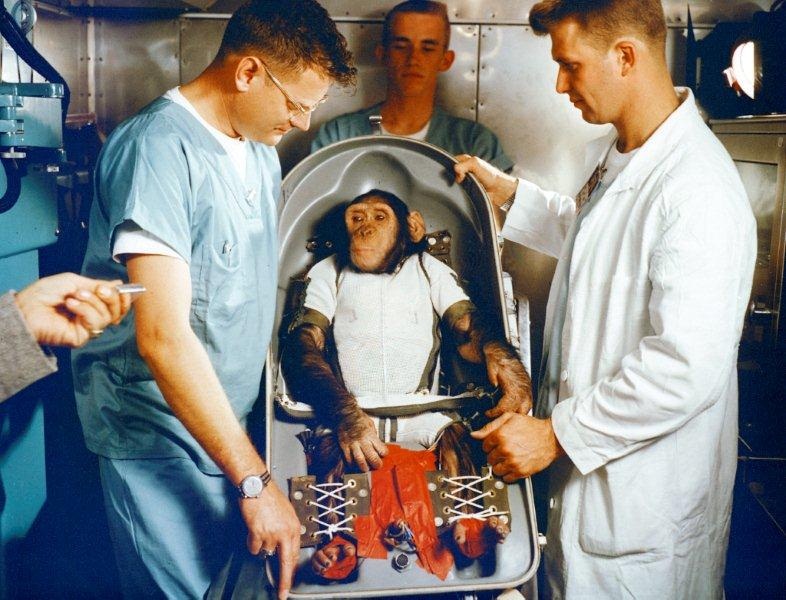
MBOMBELA – The end of unrestricted invasive experiments on chimps in the United States (US) is here. The International Union for Conservation of Nature (IUCN) announced that the red-list classification of captive chimpanzee’s will change from threatened to endangered.
The IUCN change to classification has been heralded by the 81-year-old Dr Jane Goodall, the founder of the Jane Goodall Institute in 1977. “Today is a very important victory for many from the animal welfare community that we have been fighting for for 25 years. This ruling is tremendously important. It means their suffering as victims of biomedical testing has ended. Thank you so much for making their world a better place,” she commented.
Goodall is a British primatologist, ethologist, anthropologist, and UN Messenger of Peace. She is the world’s foremost expert on chimpanzees. She is best known for her 45-year study of social and family interactions of wild chimpanzees in Gombe Stream National Park, Tanzania.
For the sanctuary manager at the Jane Goodall Institute South Africa, Mr Phillip Cronjé, just outside Mbombela, this is also very good news. “At last the chimp management in the US is on a par with the rest of the world. In South Africa, as in the rest of the world, chimp classification was changed many, many years ago to endangered. Did you know that chimpanzees in the Netherlands have the same protection as humans? That is my wish for all the chimps in the world.”
But according to Cronjé there is a big problem looming in the US now: There are no available places or sanctuaries for all the chimps in the US looking for a place to retire to. Even in Africa today there are 600 chimps looking for a home in Africa.
There are two Jane Goodall Institutes in Africa: one in the Republic of Congo, called Tchimpounga and Chimp Eden. These two are part of 22 Pan African Sanctuary Alliance (Pasa) institutes for primates in Africa.
It is a non-profit organisation working to protect Africa’s primates and their habitats. For member sanctuaries and international experts the drive is to halt bush-meat hunting, illegal pet and commercial trade, circuses and entertainment and the widespread habitat destruction that threaten Africa’s primates with extinction. Pasa provides training, expertise, materials and funding to empower local communities to protect primates and the natural areas where they live. They work with prospective member sanctuaries across Africa to improve animal care and conservation practices to meet Pasa standards.
There are 33 chimpanzees at Jane Goodall Institute South Africa, between the ages of two-and-a-half and 70 years.
Head guide at this sanctuary says education of what chimpanzee’s need is very important. “Did you know that for every chimp rescued, seven others die? We as the caretakers of nature should commit to education about what they feel and how they live.”
Since Monday, September 14 it will be illegal to “take” a captive chimpanzee for bio-medical research. It will also be illegal to sell chimpanzees or to use them for entertainment, without necessary permits. The Endangered Species Act of the Endangered Species, CITES, can only lawfully be issued for activities that will enhance the survival of the species in the wild.
This new ruling will bring an end to the shameful abuse of chimpanzees that lasted a century.