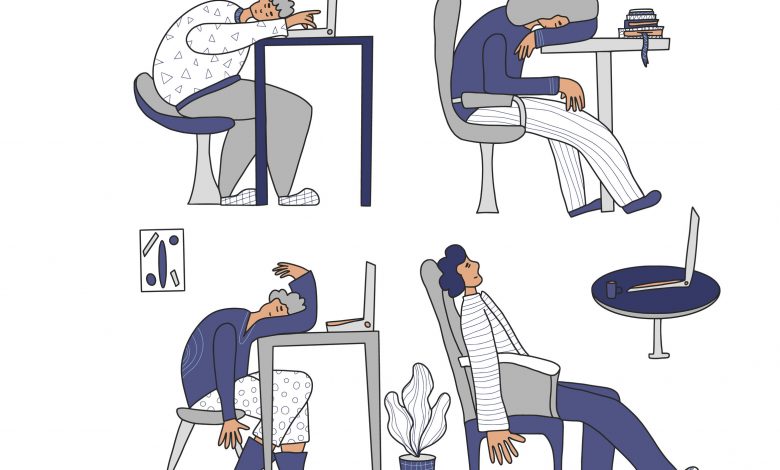
“Anxiety, depression and stress are exhausting by nature and have a huge impact on our mood, our ability to concentrate and our energy levels. Add ten months of living through a pandemic to the mix and it takes matters to an entirely different level.”
He said those who are starting the year off still working or studying remotely are also feeling the compounded effects of hours of video conferencing, lectures or seminars that have been forced online by Covid-19.

“Many feel they are being pushed to do more than ever before. Zoom, Skype, Teams and Google Meet is a lot more taxing for our brains than face-to-face engagements,” Kenny said.
The constant bombardment with Covid-19 news, social media, other negative news and the challenges of life, is utterly exhausting.
To overcome these, or at least, to manage it better, Kenny suggested the following:
1. Recognise and deal with signs of Covid-19 fatigue as soon as they arise instead of repressing them.
2. Do not be a martyr by continuing to self-isolate if you are not sick. Practicing social distancing does not mean you need to isolate yourself completely from others. Humans have an innate need for social connection.
3. Create a healthy routine that will make you and your family thrive in the new normal, such as eating right, drinking enough water, going to bed early, exercising, limiting caffeine or alcohol intake, enjoying meals together, and so on.
4. Practice self-care. Whether it is exercise, meditation, reading or getting creative – find something that invigorates your body and mind.
5. Limit media consumption.
6. Plan fun outings and things to look forward to without putting you or your loved ones at risk.
7. Give yourself a pep talk every morning to stay positive.
8. Be kind to yourself.
9. Get some sunshine by working in the garden or going for a walk.
10. If your symptoms of fatigue do not improve within a few weeks, you need to seek professional help.
Should you experience any of the above symptoms, get help. Contact Pharma Dynamics on 0800-205-026 or visit www.letstalkmh.co.za.