


With 184kW/600Nm on tap, the Sport's call up for towing duty presented no challenge.
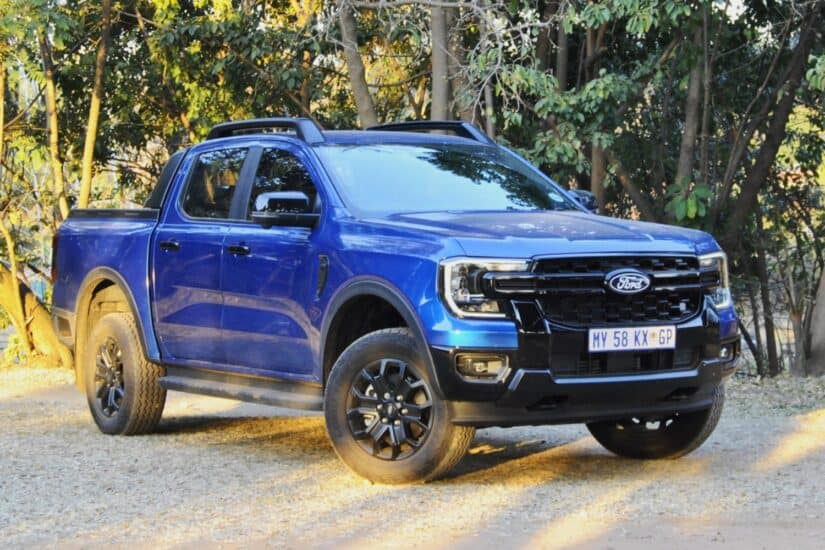
The Citizen’s long-term Ford Ranger V6 Sport hasn’t been sitting idle despite the arrival of several test vehicles over the past month. Picture: Charl Bosch


Since its arrival in July, The Citizen‘s long-term Ford Ranger V6 Sport hasn’t been standing idle, despite several test cars arriving for week-long testing periods.
Hooking up
Having amassed just under 2 000 km when it was dropped off, the daily commute, half-a-dozen trips to O.R Tambo International Airport, a weekend bush break with print editor Trevor Stevens, spells at Gerotek and impromptu drives around Gauteng saw it clock an additional 2 000 km.
Its odometer now reading 4 817 km, the Blue Lighting-coloured Sport’s biggest task involved a house moving operation for one of its minder’s friends.
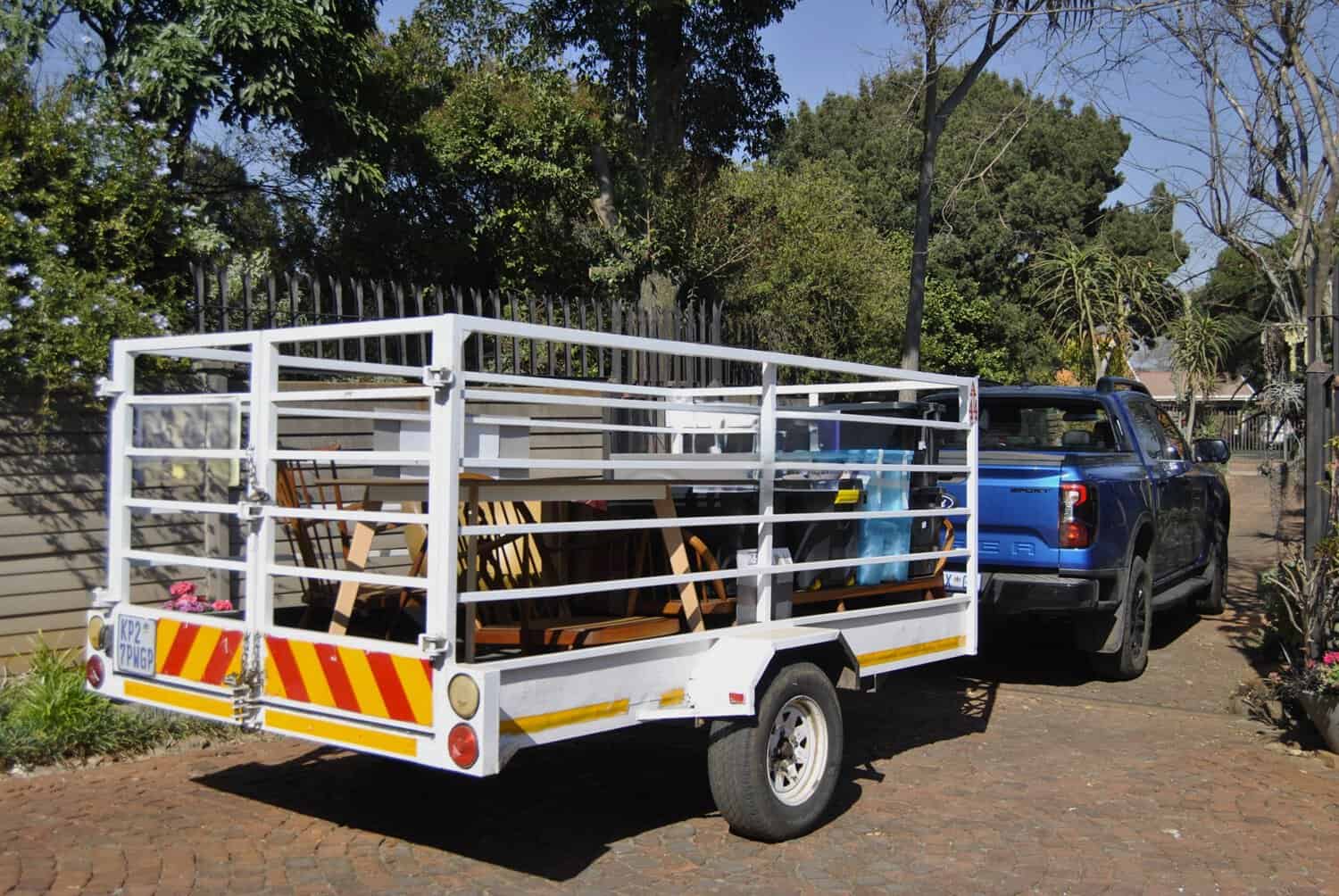
An operation that was likely to present anything but a challenge considering the 184kW/600Nm generated by the 3.0-litre Lion turbodiesel V6 engine, the actual process was still interesting in most parts thanks to the Trailer Tow Package.
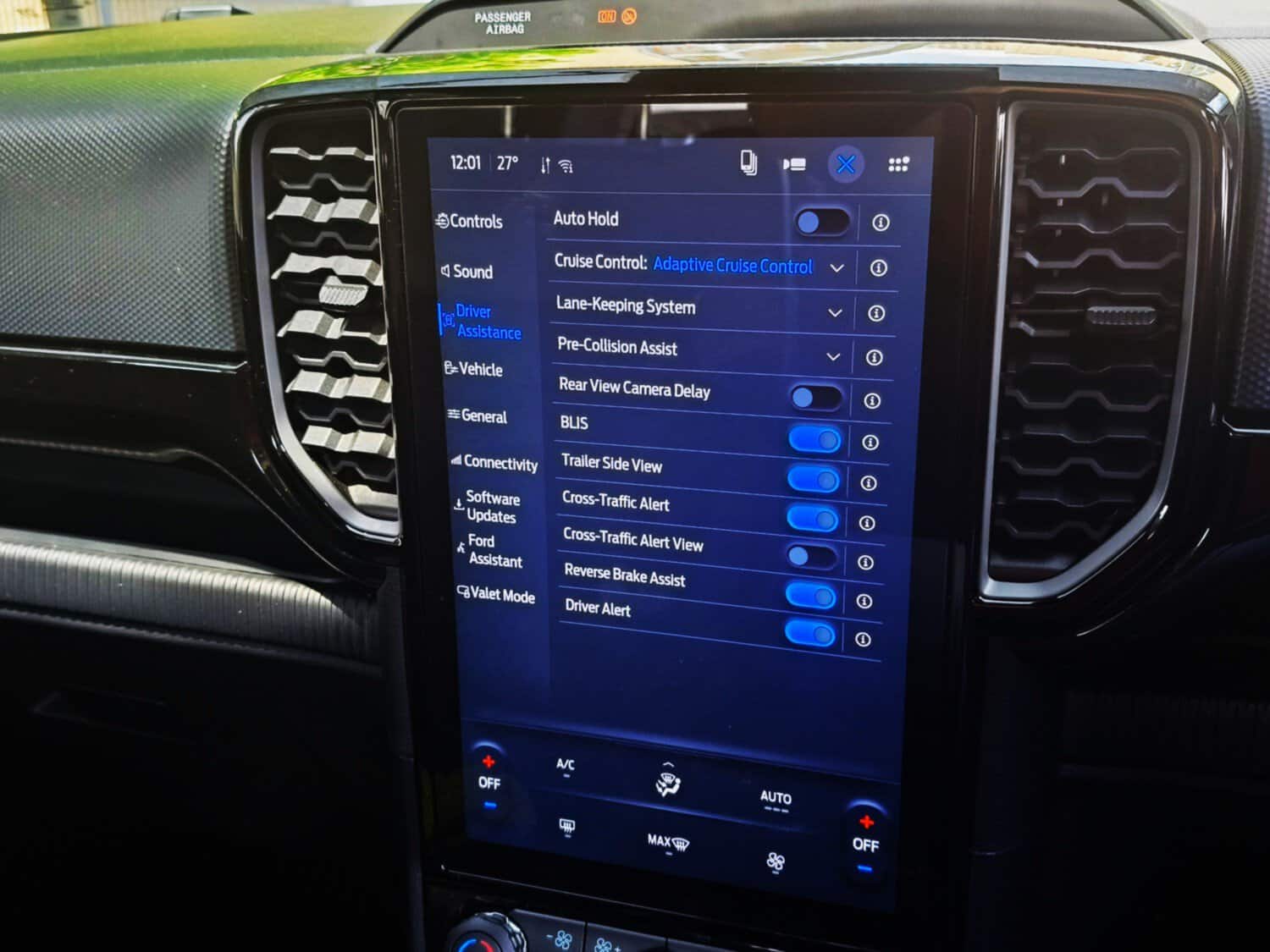
Aside from a tow bar and the ability to tow 3 500 kg, the system goes a step further in that once a trailer is attached, it deactivates a number of the driver assistance systems deemed not necessary when towing.
At the same time, and despite the drive mode selector featuring the dedicated Tow/Haul function, it was decided to leave the Sport in its default Normal setting, which proved more than acceptable.
Fuel consumption improving
Hardly breaking a sweat towing the admittedly anything but overly heavy trailer, the Sport’s fuel consumption also stayed constant at around 11.0 L/100 km.
Away from towing duty and back to familiar urban surroundings, a few more trips saw consumption fall to 10.8 L/100 km, which still makes it lighter than the 13 L/100 km achieved by the Wildtrak and Platinum powered by the same engine The Citizen previously ran.
On the topic of safety…
With the trailer detached and parked, all of the various systems switch back on again automatically.
However, a number of the non-towing-related tech, such as the Lane Keep Assist, Evasive Steering Assist and Lane Departure Warning, can be switched off “manually” from the 12-inch SYNC 4A infotainment system.
Opting to leave the systems on, though, forms part of a principle the Blue Oval first initiated in the 1950s called the Lifeguard safety concept.
Refined and modernised since then with each advancement in vehicle safety, the concept forms of the backbone of a newly devised safety campaign lasting from September till the onset of the Festive Season.
Called the “30 Days of Safety”, the operation “will unpack different aspects of vehicle and road safety in accessible, practical and engaging ways [with the] aim of driving consumer awareness of these features and technologies”.
“Over the 30 days’ in the run-up to the 2026 school holidays, Ford will launch a dedicated road safety initiative designed to help motorists better understand the technologies, innovations and everyday driving behaviours that can contribute to safer journeys,” Ford Motor Company South Africa’s Head of Marketing, Tarryn Knight, confirmed.
“The campaign will bring Ford’s commitment to safety to life through practical information, expert insights and education, demonstrating how vehicle technology and responsible driver and pedestrian behaviour can work together to help make South Africa’s roads safer”.
Explaining its reasoning for going with 30 days, Knight added, “thirty days gives us the opportunity to move beyond a single safety message and build understanding over time, helping motorists not only learn about vehicle safety technologies, but remember and use them when it matters most on South Africa’s roads”.
Festive season use awaits
With the festive season around the corner and the Sport now in the middle of its six-month stay, Ford’s advice will prove more crucial than ever as the long road beckons for the upcoming rest period.



