


For the next three months, The Citizen will have the top-spec Extended Cab version of the D-Max for company.
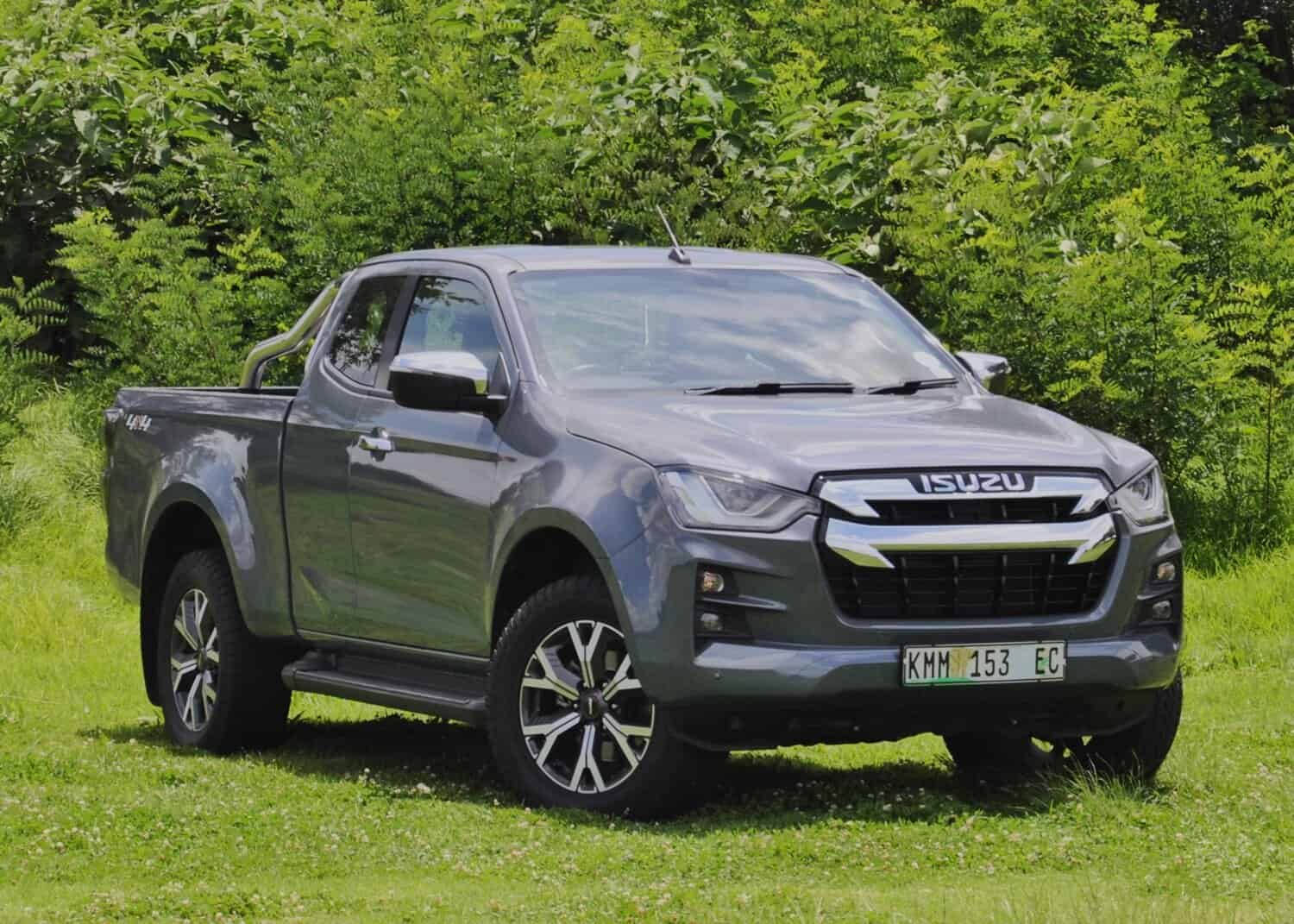
Isuzu’s flagship Extended Cab D-Max LSE 4×4 will be sending the next three months in The Citizen’s long-term test fleet. Images: Charl Bosch


A segment, arguably, started by the Datsun/Nissan 720 King Cab in the early 1980s, cab-and-a-half bakkies only re-entered the public domain about 20 years ago with the arrival of the Mitsubishi Colt ClubCab.
Offering less loadbin space than a single cab, but more storage inside at the expense of the seats found in a double cab, they are resoundingly more workhorse than leisure focused as the lack of rear seatbelts prevents them from being a practical and safe alternative.
ALSO READ: New Isuzu D-Max Extended Cab unwilling to relinquish it’s ‘cab-and-a-half’ crown
While some buyers disregard this anyway by using them to transport more than two people, the cab-and-a-half remains a working tool, yet has still proved popular as a leisure vehicle anyway in spite of its smaller loadbox.
And then, there were three
A sub-segment that has been hugely popular in the United States and Thailand for years, to the point where single cabs are not even offered, the short-lived prominence of cab-and-a-half bakkies in South Africa now only consists of three options.
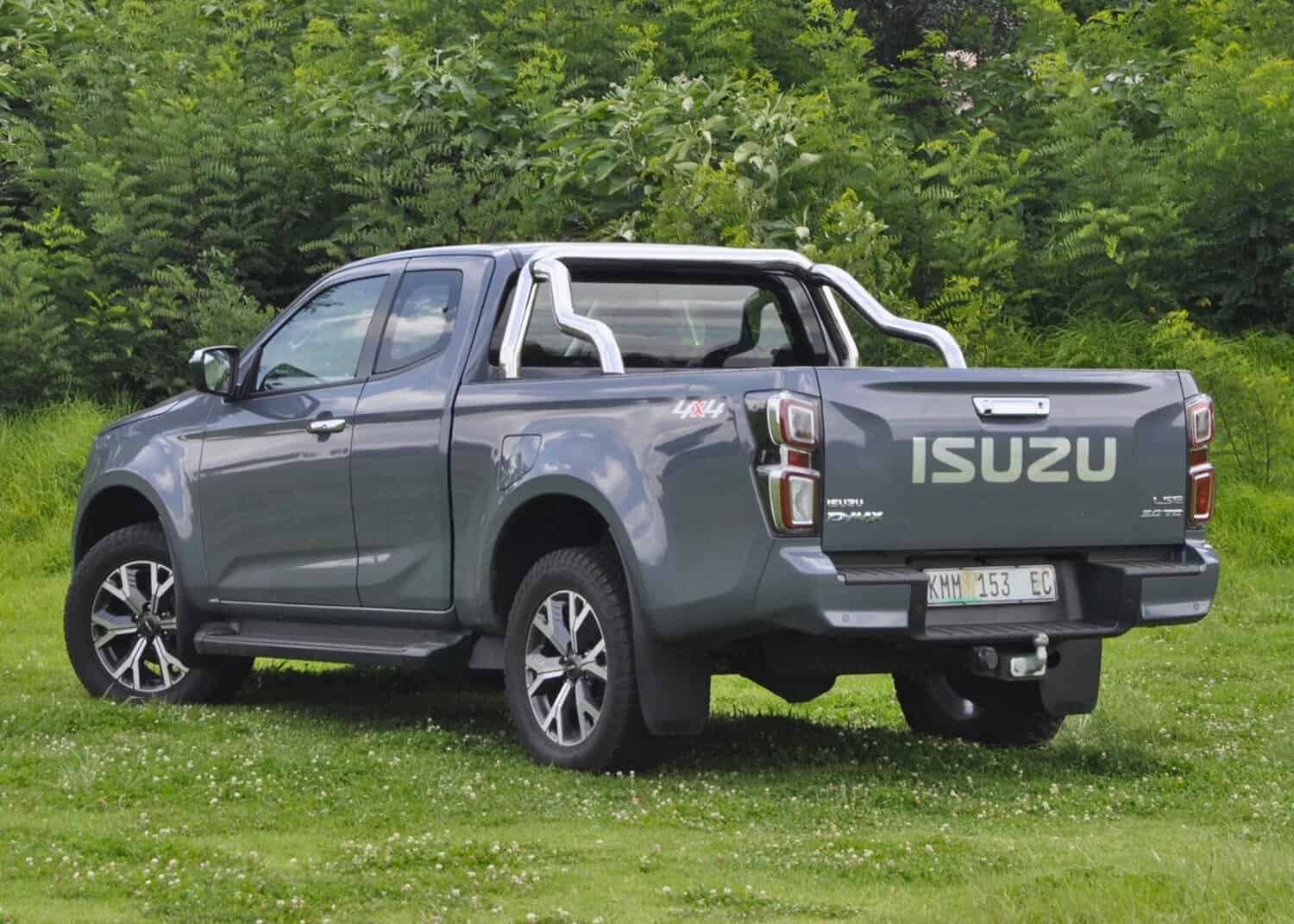
Long since abandoned by Nissan and Mitsubishi, only Toyota, Ford and Isuzu have single cab alternatives in the shape of the Hilux Xtra Cab, Ranger SuperCab and the D-Max Extended Cab.
With the exception of the Hilux, previous encounters with the Ranger and D-Max have shown their credentials as worthy single cab alternatives, especially as the extra capital outlay also nets a number of features.
From single to Extended
The proof is illustrated by the latest arrival to The Citizen’s long-term test fleet for the next three months, an Obsidian Grey D-Max Extended Cab LSE 4×4 auto, which replaces the single cab LS auto that left at the end of October.
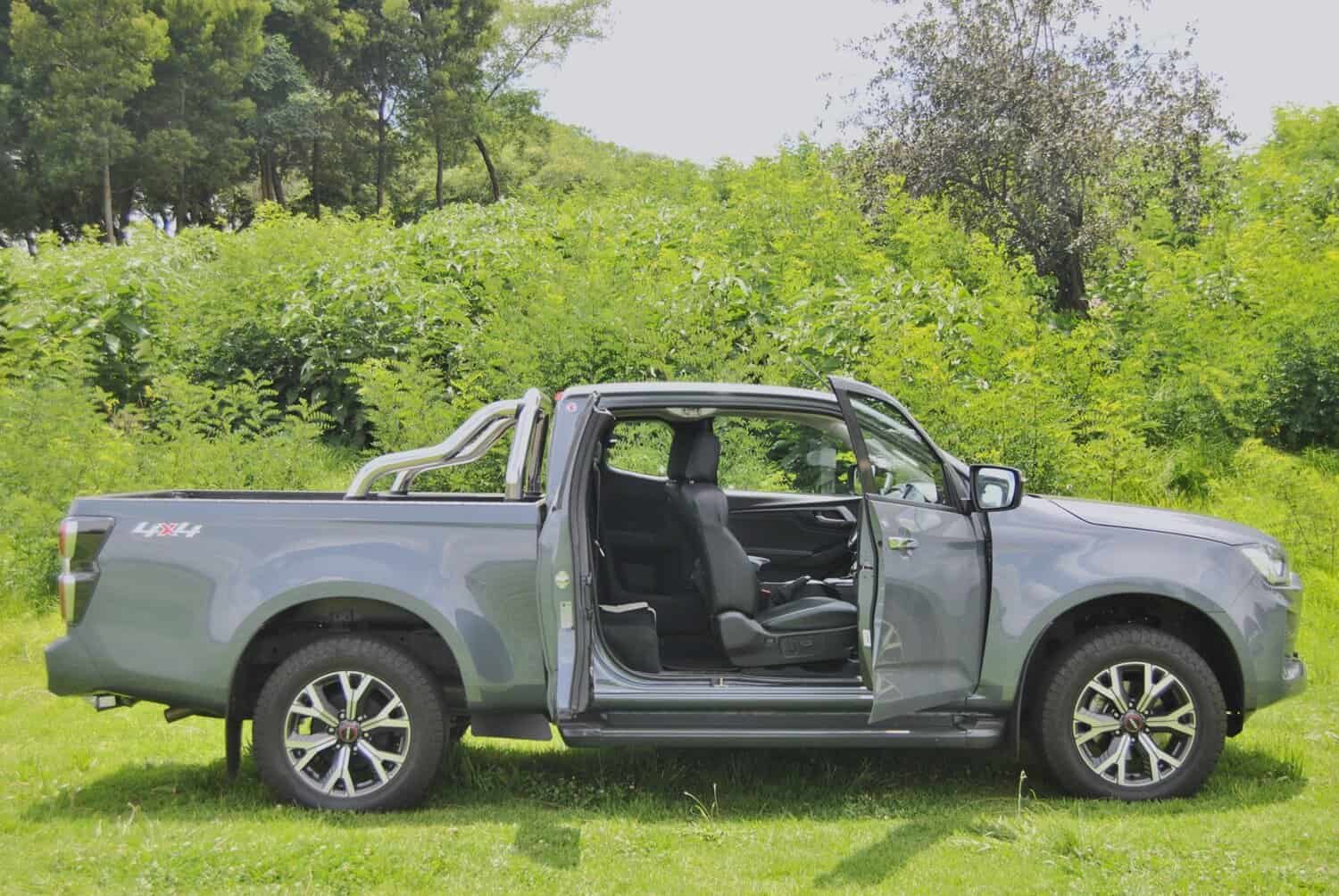
Aside from its suicide-opening rear doors, the LSE represents Isuzu’s step-up trim grade from the LS, and is also the flagship Extended Cab derivative.
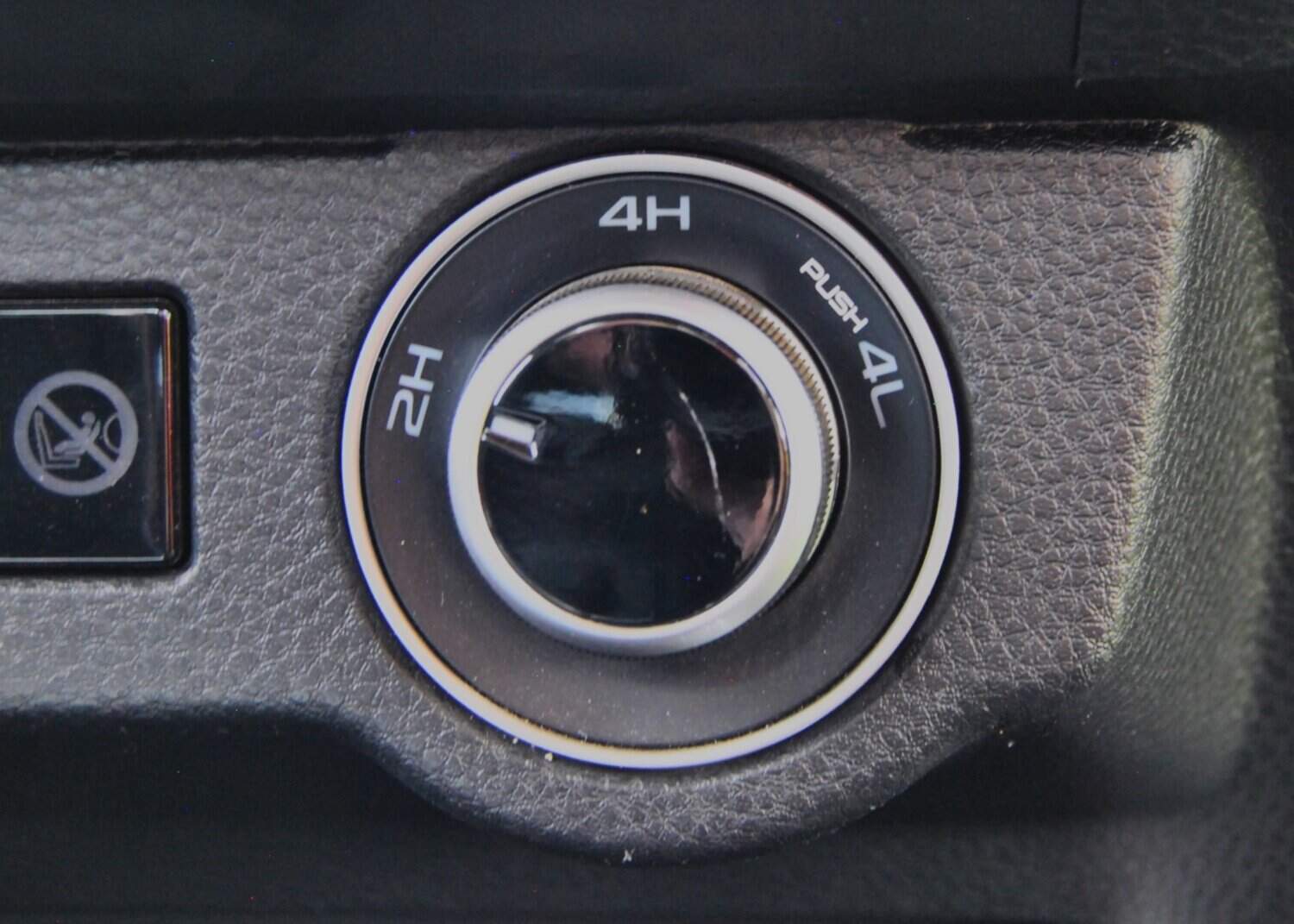
Aside from its colour, the LSE is otherwise identical to the example tested three years ago, though in this case, inclusive of the part-time four-wheel drive system, along with Hill Descent Control, plus the locking rear differential.
Positioned below the double cab-exclusive V-Cross trim level-wise, the LSE is mechanically similar to the LS single cab up front where the 4JJ3-TCX 3.0-litre DDI turbodiesel engine continues to output 140kW/450Nm.
As is the case with all D-Max models powered by the engine that started life in 2002 in the N-series medium-duty truck, a six-speed automatic gearbox sends the amount of the twist to the rear or all four wheels.
Comparison
Compared to the single cab, the Extended Cab’s pinched loadbox space for more storage inside means its bin now measures 1 805 mm long versus 2 330 mm, while payload drops from 1 205 kg to 1 025 kg.
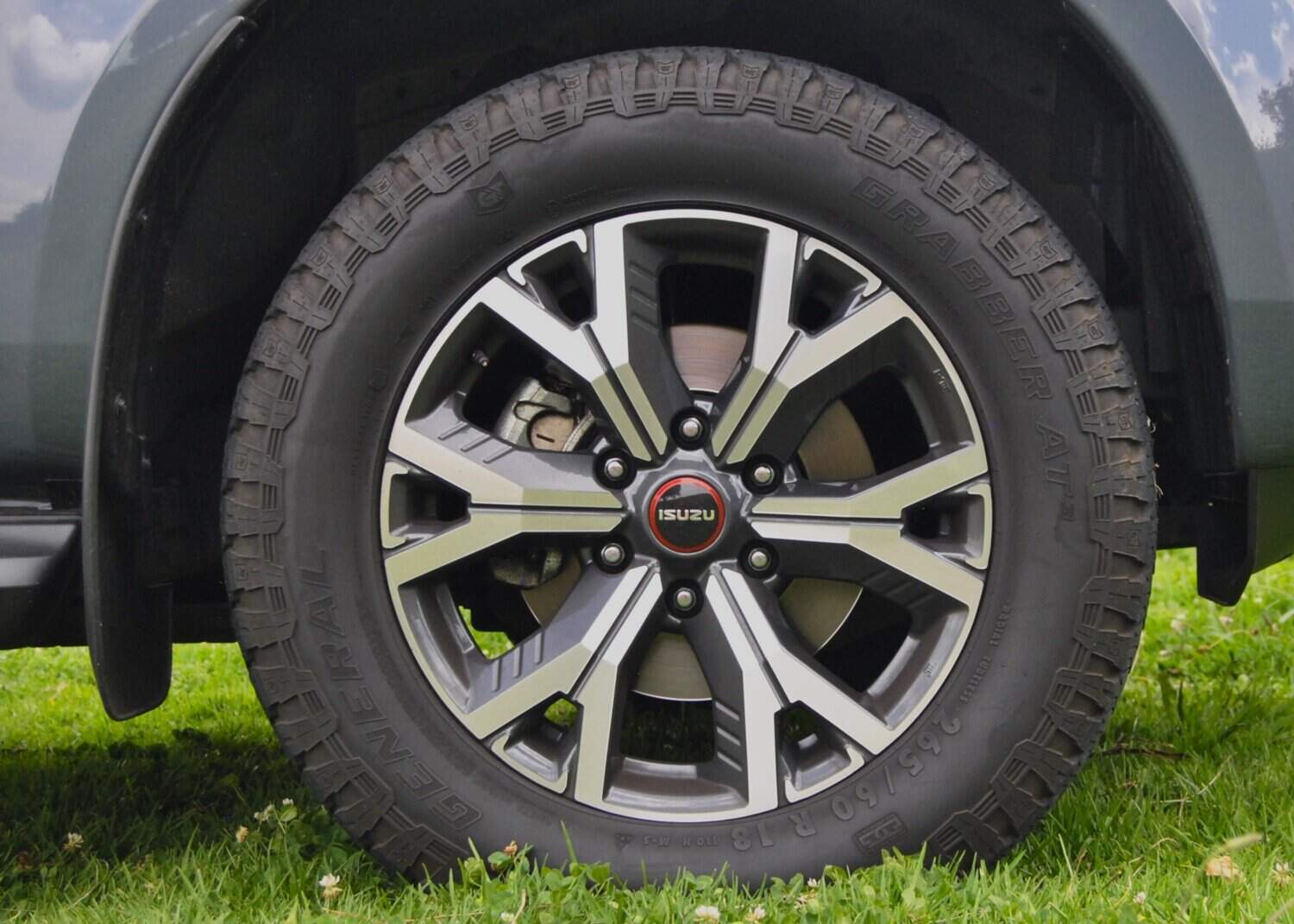
Still with the same 800 mm wade depth rating, the addition of four-wheel drive and bigger 18-inch alloy wheels, wrapped in General Grabber AT3 all-terrain tyres, translates to 232 mm of ground clearance compared to 227 mm.
Its tow rating still capped at 3 500 kg, the D-Max Extended Cab LSE also comes equipped with side-steps as standard, along with a tow bar which Isuzu charges extra for on the LS.
What’s on offer?
Inclusive of a chrome sports bar, the LSE’s spec sheet is anything but a workhorse spec, but nowhere as extensive as on the comparative Ford Ranger SuperCab Wildtrak.
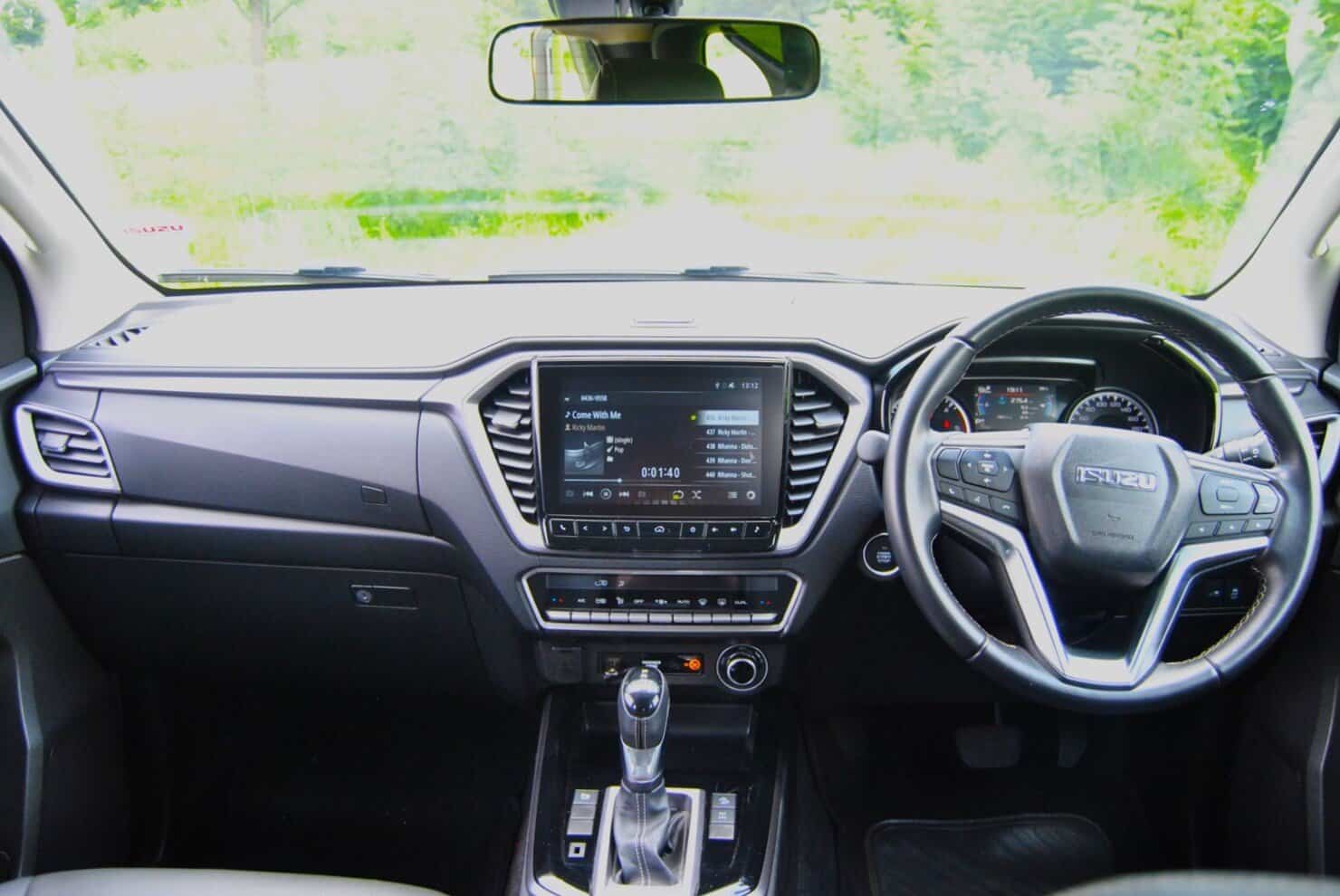
For its R774 100 price tag, its list of features includes the following:
- auto on/off LED headlights;
- blacked-out B-pillar;
- LED fog lamps;
- dual-zone climate control;
- partial imitation leather upholstery;
- keyless entry;
- remote engine start;
- push-button start;
- rain sense wipers;
- six-speaker sound system;
- electric driver’s seat;
- leather-wrapped multi-function steering wheel;
- electric windows and mirrors;
- rubberised loadbin;
- 4.2-inch TFT instrument cluster display
Compared to the LS, LSE swaps the seven-inch infotainment system for the bigger nine-inch, still equipped with voice activation, Apple CarPlay and Android Auto.
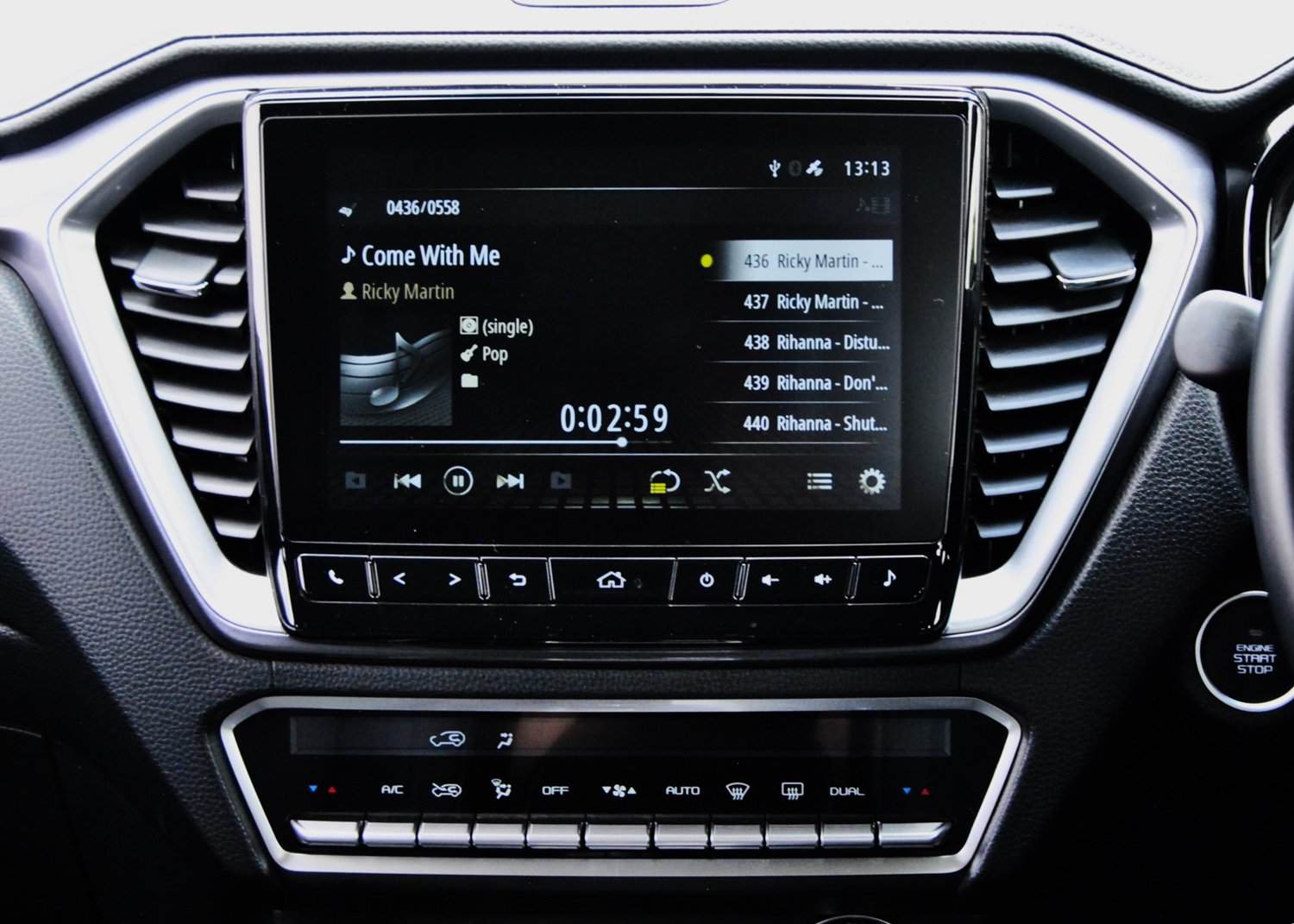
Extensively ramped up is safety, which comprises:
- tyre pressure monitor;
- cruise control;
- front and rear parking sensors;
- reverse camera;
- six airbags;
- auto lock/unlock doors;
- Trailer Sway Control;
- Hill Start Assist;
- Rear Cross Traffic Alert;
- Blind Spot Monitoring
Carried over from the LS is the single type-A USB port, the pair of gloveboxes, coin trays doubling up as cupholders underneath the air vents, and a central storage area between the front seats.
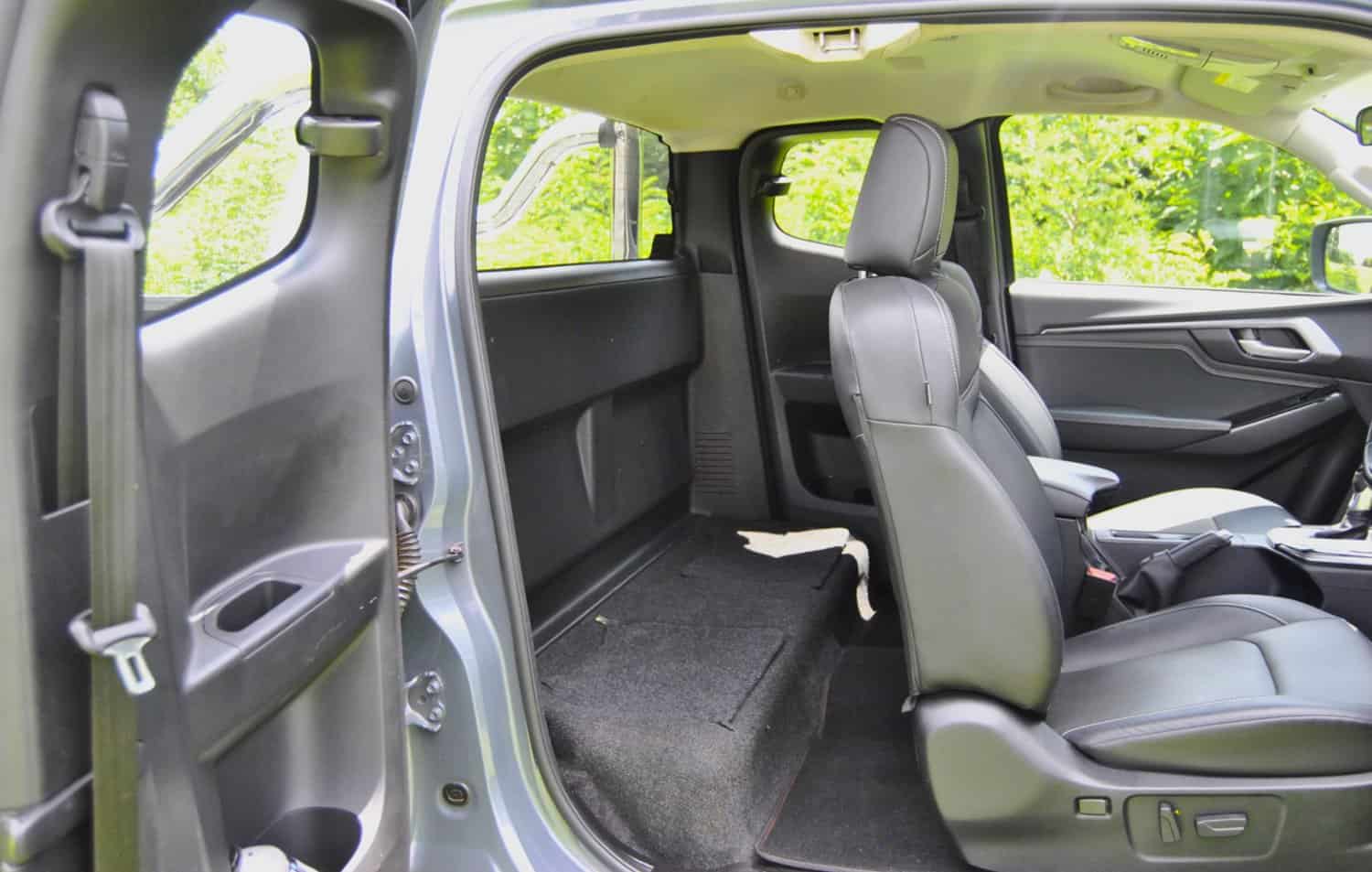
Compared to previous generations, and indeed the erstwhile Colt ClubCab, the D-Max Extended Cab no longer features a pair of utility boxes behind the seats, but rather a flat surface with a pair of lidded storage slots integrated into the floor.
Journey so far
Having covered over 14 000 km before being delivered, it was dismayed to notice how KMM 153 EC has been “cared” for.
Aside from the storage lids having been detached from their material securing mounts – and also “bashed-in” – a noticeable vibration above 110 km/h has seen the steering wheel judder in a manner not witnessed when the single cab arrived.
While it was thought that lowering the tyre pressures, which had a different reading for each wheel, would resolve this, the vibration persists, something that will soon be addressed.
Tipping the scales at 2 020 kg, the 400 km that has passed underneath the Extended Cab LSE’s wheels so far has been otherwise plain sailing.
Despite the mentioned gripes, of which the infotainment system that prevents scrolling through audio files on the move as a supposed safety feature, the almost wraparound seats are superbly comfortable to the point of feeling anything but bakkie-like.
The advent of the dual-zone climate control, replete with physical buttons, hasn’t impacted on cabin ergonomics, though a traditional volume dial would have been welcomed instead of reverting to the button on the steering wheel or at the base of the infotainment display.
That being said, comfort is still good and the interior, unsurprisingly, more spacious in feel now that the rear bulkhead no longer sits directly behind the seats.
Thanks to its bigger profile wheels, the Extended Cab’s ride is also better than on the LS, even with no load present, while the steering is typical Isuzu with a heavy feel but with good levels of feedback for what is, after all, still a bakkie.
Despite persisting rumours of it being replaced by the new 2.2-litre MaxForce engine that went into service in Australia last month, the unstressed 3.0-litre DDI, somehow, feels more responsive than in the much lighter, two-wheel drive single cab LS.
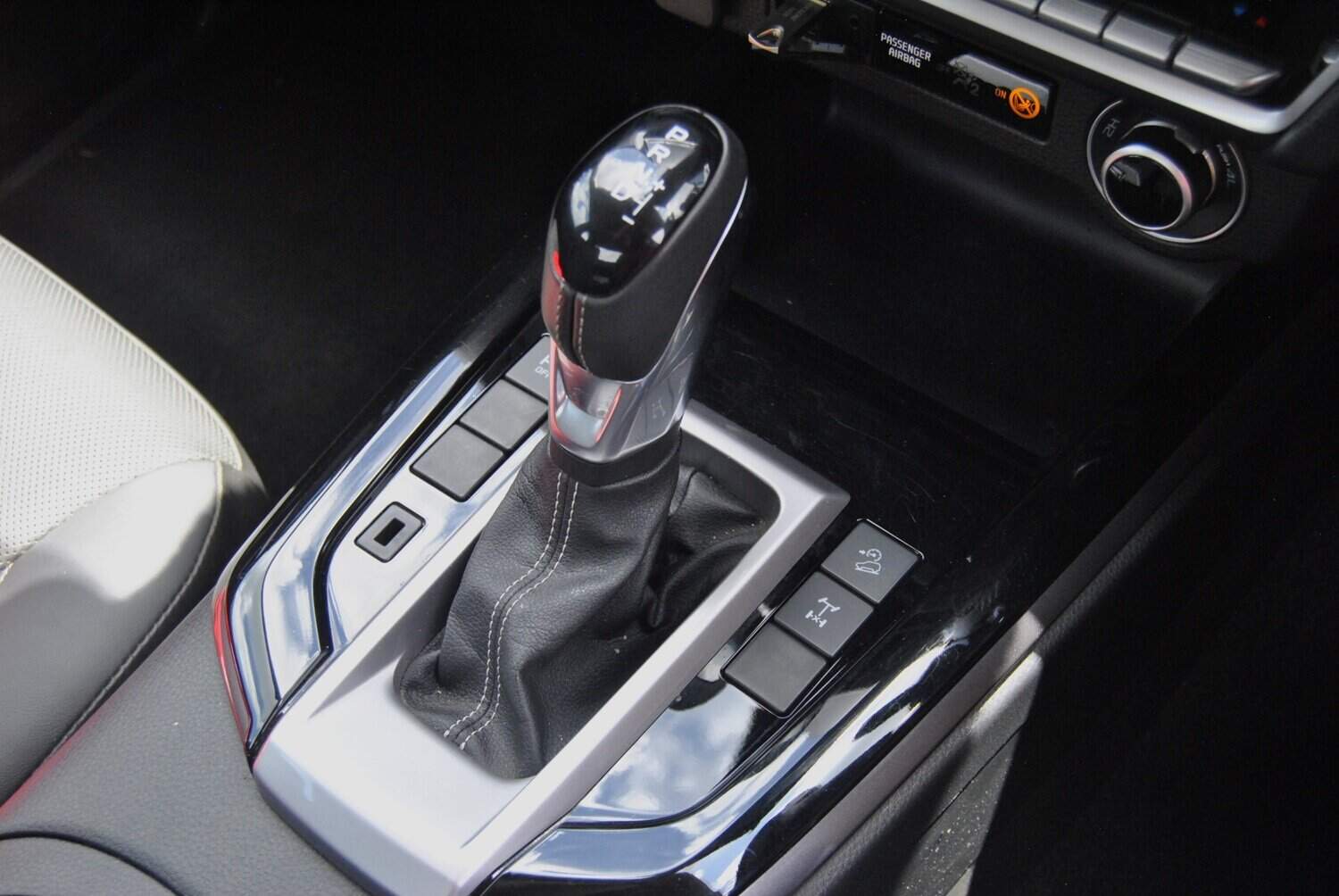
While the often erratic and indecisive shifting habit of the six-speed gearbox remains, it can still be overridden using the sequential manual override as gear shift paddles are unsurprisingly not available.
Consumption living up to reputation
The engine sounding typically Isuzu on start-up, its reputation for frugality considering its displacement and age, has been the biggest highlight so far.
Whereas a best figure of 9.7 L/100 km was clocked with the single cab LS, the Extended Cab LSE’s trip computer has displayed a best of 9.1 L/100 km, which has subsequently fallen back to a still impressive 9.3 L/100 km.
Previous spells with the 3.0-litre engined D-Max have, however, seen mid to high 8s being recorded, and as such, achieving this will take prominence over the next three months.
More to come
So far so good if not perfect thanks to the mentioned vibration, the time with Isuzu’s range-topping Extended Cab D-Max promises to be interesting.
As with the majority of D-Max models, the Extended Cab 3.0 DDI LSE 4×4 auto’s price tag includes a five-year/120 000 km warranty as well as a five-year/90 000 km service plan.
NOW READ: Isuzu D-Max single cab bids farewell with a full workload résumé
Support Local Journalism
Add The Citizen as a Preferred Source on Google and follow us on Google News to see more of our trusted reporting in Google News and Top Stories.

