


Latest callback involves separate issues for 363 Jeeps and 18 600 older model Kias.
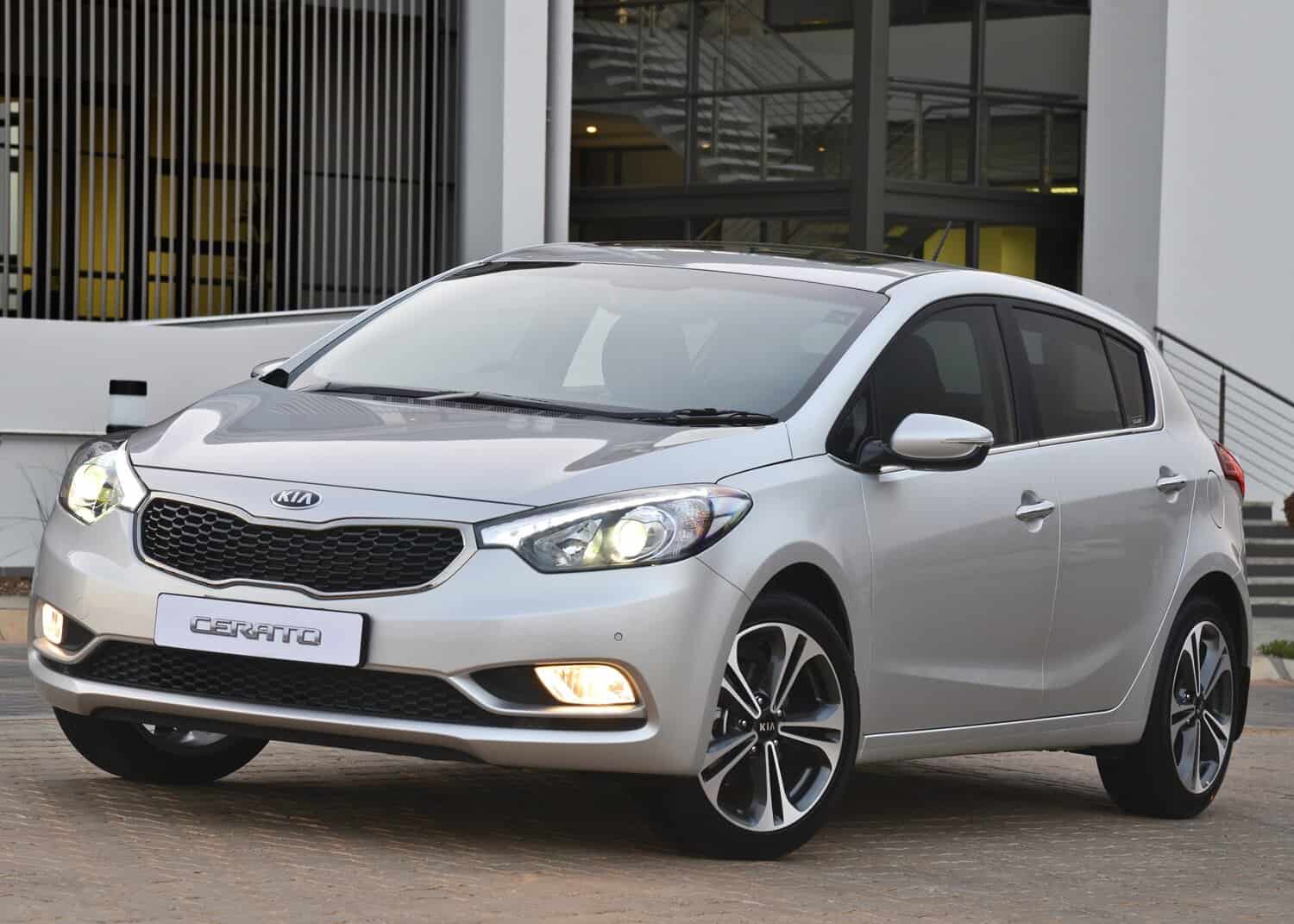
The older generation Kia Cerato has been implicated in the latest vehicle recall involving 18 600 of the Korean brand’s products. Image: Kia


The National Consumer Commission has initiated another recall of 19 000 vehicles, this time involving products from Jeep and Kia.
Case 1
Jeep
In a statement, the commission says the first part of the callback involves dust potentially causing a false reading or setting off the airbags in 363 Jeep Wranglers made between 2016 and 2018.
ALSO READ: Older Opels and Citroëns recalled over Takata airbag saga
“The dust inside the clock spring could compromise airbag circuit(s), causing illumination of the airbag warning light and or a non-deployment of the driver’s airbag during a crash,” the statement reads.
Case 2
Kia
Taking prominence is the recall of 18 600 Kia Ceratos, Optiams, Sorentos, Sportages and Souls made between 2009 and 2015 over a fuse issue related to the anti-lock braking system (ABS).
“The defect may result in the malfunction of the ABS system, which could increase the vehicle’s stopping distance to a standstill and, in some cases, lead to engine bay damage,” the commission said.
It added, “consumers who are affected by these recalls are urged to take these recalls seriously and arrange for the necessary inspections and repairs at any authorised dealership without delay to ensure their safety.
“The necessary repair work will be carried out at no cost to the consumer”.
Action is required
In a related statement, the Automobile Association (AA) said the recall of nearly 50 000 vehicles this year shows a “systemic failure and weakness in vehicle pre-market quality assurance, manufacturing oversight and regulatory verification”.
“Although vehicle recalls currently serve an essential role in addressing latent safety defects, they are inherently reactive in their nature and therefore inadequate as a safeguard,” the association said.
“What this system has proved is that recall notices often arrive too late, when defective vehicles are already in circulation, driven by unsuspecting motorists.
“Each recall represents a failure of early detection and oversight, signalling that quality assurance arrived too late. Instead of preventing danger, the recall system responds to it, exposing drivers, passengers and pedestrians alike to avoidable risks”.
It also criticised the existing “vehicle recall framework” in the country, saying it “exposes structural weaknesses, fragmentation and inefficiency in safeguarding motorists and road users”.
“The shortcomings of the recall model are further compounded by the absence of an independent automotive testing authority in the country to assess or test vehicle safety before market release,” it continued.
“The role of regulatory oversight relies in part on the Motor Industry Ombudsman of South Africa (MIOSA) which provides technical support to the NCC once a recall is initiated, according to NCC Executive Head, Prudence Moilwa.
“However, MIOSA itself operates with a small technical team, largely drawn from within the automotive industry itself. These professionals are often associated or linked to suppliers, manufacturers or service providers, when what is required is an independent testing specialist.
“This arrangement, while it may appear well-intentioned, undermines and compromises impartiality and limits the ability to ensure proactive, timeous quality verification. It places safety assurance too far downstream, rather than at the point of market entry.”
Earlier this month, Stellantis, in a statement of its own, announced the recall of older Opel, Citroën and Chrysler models over the ongoing Takata airbag saga – which also mentioned the Wrangler – while several recalls involving half-a-dozen Ford products have also taken place.
NOW READ: Previous Ford Mustang recalled over reverse camera failure
Support Local Journalism
Add The Citizen as a Preferred Source on Google and follow us on Google News to see more of our trusted reporting in Google News and Top Stories.

